In a world increasingly focused on sustainability, Woolrec emerges as a revolutionary approach to wool production and recycling. This innovative system redefines how wool is sourced, processed, and reused, reducing waste while maintaining quality. For eco-conscious consumers and textile professionals, Woolrec represents a balance between environmental responsibility and practical use. From fashion to home textiles, understanding how Woolrec works can reshape perceptions of wool and inspire smarter choices. This article explores the benefits, techniques, and impact of Woolrec in modern industries.
Understanding Woolrec and Its Purpose
Woolrec is more than just a recycling method; it is a comprehensive system designed to extend the life cycle of wool products. Traditional wool production often leads to significant waste and environmental strain, from water usage to chemical treatments. Woolrec addresses these challenges by integrating advanced cleaning and processing methods, turning discarded wool into high-quality material. By doing so, it reduces the environmental footprint of the textile industry while promoting a circular economy.
The purpose of Woolrec goes beyond sustainability; it also targets efficiency and innovation. Wool fibers collected through Woolrec maintain their structural integrity, allowing manufacturers to produce durable fabrics without relying solely on virgin wool. This not only conserves natural resources but also lowers production costs for businesses. Consumers benefit from eco-friendly products that meet high standards of quality and comfort.
Adopting Woolrec has broader implications for environmental stewardship. With growing awareness of textile waste and pollution, this method offers a tangible solution that can be scaled across the global industry. It positions wool as a responsible choice, appealing to brands and consumers who value transparency and sustainable practices. The process exemplifies how technology and innovation can transform traditional materials into eco-conscious alternatives.
Will You Check This Article: Matarecycler: Transforming Waste Into Sustainable Value
How Woolrec Works: From Waste to Wool
The Woolrec process begins with the collection of discarded or surplus wool from manufacturing and consumer waste. Unlike conventional recycling, which often downgrades fibers, Woolrec employs meticulous sorting to preserve fiber quality. Each batch undergoes inspection to separate impurities, ensuring that only viable fibers move forward. This step is crucial in maintaining the texture and durability of the final product.
After sorting, the fibers are cleaned using eco-friendly methods that avoid harsh chemicals. The cleaning stage removes dirt, oils, and residues without compromising the fiber’s natural properties. This careful handling ensures that the recycled wool retains softness, elasticity, and strength. By replacing conventional chemical-intensive processes, Woolrec not only safeguards the environment but also improves the safety of the end product for consumers.
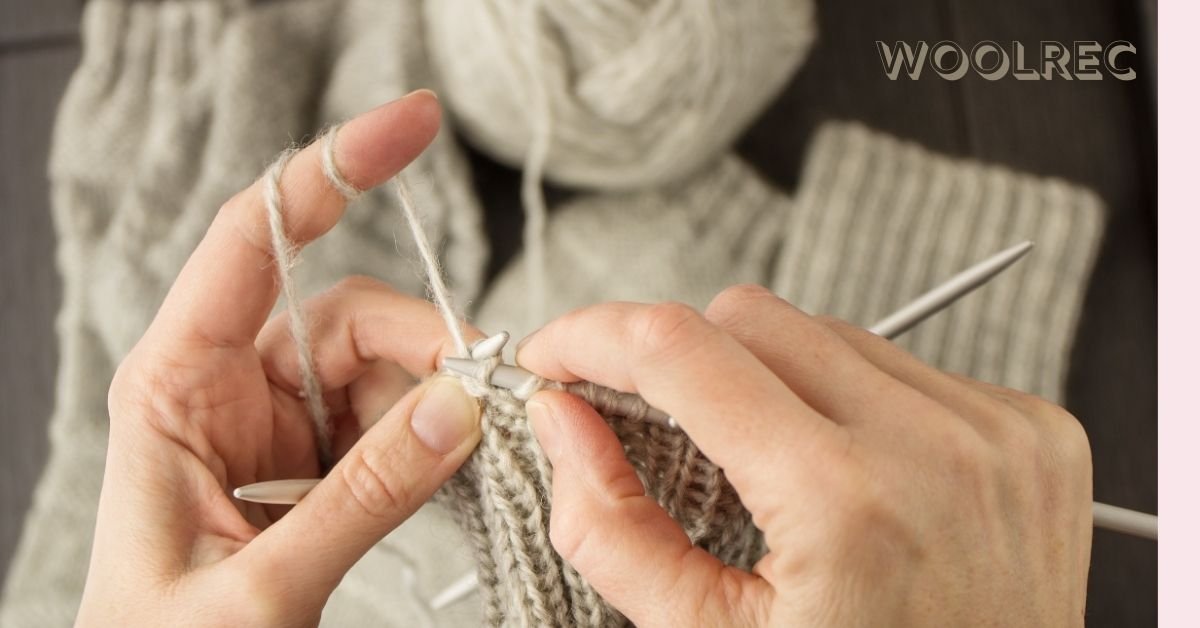
The final stage involves carding, blending, and spinning, transforming the prepared fibers into yarn ready for manufacturing. This method allows Woolrec wool to seamlessly integrate with new materials or create entirely recycled fabrics. The technology ensures consistency in fiber thickness and quality, making Woolrec products suitable for clothing, home textiles, and industrial applications. The end result is wool that is as functional as it is sustainable.
Environmental Benefits of Woolrec
One of the most compelling reasons to adopt Woolrec is its positive environmental impact. Traditional wool production consumes large volumes of water, energy, and chemicals. Woolrec reduces these inputs by repurposing fibers already in circulation. This approach significantly lowers greenhouse gas emissions and decreases reliance on resource-intensive sheep farming, which can contribute to soil degradation and deforestation.
Waste reduction is another critical advantage. Millions of tons of textile waste end up in landfills each year, with wool being no exception. Woolrec transforms discarded wool into usable material, diverting it from landfills and reducing pollution. This process also minimizes microplastic release, as natural fibers break down more easily than synthetic alternatives, offering a more sustainable solution for long-term textile waste management.
Moreover, Woolrec encourages a circular textile economy, where materials are continuously reused instead of discarded. This shift promotes responsible consumption patterns, inspiring brands to innovate while consumers make informed purchasing choices. By embracing Woolrec, the industry takes a concrete step toward reducing its ecological footprint while supporting global sustainability goals.
Woolrec in Fashion: Sustainable Style
Fashion brands are increasingly recognizing the value of Woolrec in creating eco-conscious collections. Designers can utilize recycled wool without sacrificing quality or aesthetics, producing garments that appeal to environmentally minded consumers. From cozy sweaters to tailored coats, Woolrec fibers offer the versatility needed for high-end fashion while meeting ethical standards.
Beyond sustainability, Woolrec allows designers to experiment with texture and color. Recycled fibers can be blended with natural or synthetic materials to achieve unique patterns, softness, and durability. This innovation opens opportunities for creative expression, proving that sustainable fashion need not compromise on style. Consumers can enjoy trend-forward pieces that also support responsible production practices.
Adopting Woolrec in fashion also strengthens brand reputation. Modern shoppers prioritize transparency and ethics, and using recycled wool demonstrates commitment to environmental responsibility. Brands integrating Woolrec can market these benefits effectively, attracting loyal customers who value quality, comfort, and sustainability in equal measure. The combination of creativity and eco-consciousness positions Woolrec as a game-changer in apparel design.
Woolrec in Home Textiles
The home textiles sector benefits significantly from Woolrec, where durability and comfort are paramount. Recycled wool can be used in blankets, rugs, cushions, and upholstery, offering long-lasting performance with a reduced environmental impact. The fibers maintain natural warmth and softness, creating cozy, sustainable living spaces that appeal to modern households.
In addition to comfort, Woolrec products bring a sense of responsibility to home décor. Eco-conscious consumers increasingly choose items that align with their values, seeking products made from renewable and recycled materials. Woolrec provides an ethical option without compromising quality, proving that sustainability can be seamlessly integrated into everyday life.
Manufacturers also enjoy practical advantages. Using Woolrec fibers reduces material costs and promotes efficient production cycles. The consistency in recycled wool quality allows designers and producers to plan and execute large-scale projects confidently. This combination of sustainability, performance, and reliability makes Woolrec a valuable resource in the home textiles industry.
Economic and Industry Impact
The adoption of Woolrec extends beyond environmental concerns, influencing the economy and textile industry. By creating demand for recycled wool, it fosters new business opportunities and strengthens the market for sustainable materials. Companies investing in Woolrec benefit from cost savings in raw material procurement and production efficiency, which can be reinvested into innovation.
Small-scale and artisanal producers gain access to high-quality fibers without the financial burden of sourcing virgin wool. This democratization of resources encourages entrepreneurship and supports local economies. By integrating Woolrec, emerging brands can compete with larger players while emphasizing eco-conscious practices that resonate with modern consumers.
The overall industry impact is transformative. Woolrec helps shift global textile production toward circularity, reducing reliance on traditional supply chains and decreasing environmental pressure. It sets a precedent for other sectors to explore innovative recycling technologies, ultimately driving sustainability as a competitive advantage in the global market.
Common Misconceptions About Recycled Wool
Despite its benefits, Woolrec faces misconceptions around quality and performance. Some assume recycled wool is inferior, prone to wear or lacking softness. In reality, the meticulous sorting, cleaning, and processing ensure recycled fibers meet or exceed industry standards. Modern technology allows recycled wool to match the resilience and texture of virgin materials.
Another misconception is that Woolrec is limited in application. While it excels in fashion and home textiles, recycled wool can also serve industrial purposes, including insulation, padding, and composites. Its versatility demonstrates that sustainability does not restrict functionality, proving that innovative recycling can expand material use across multiple sectors.
Finally, some doubt the environmental impact of recycled wool. Critics assume energy-intensive processes negate sustainability gains. However, Woolrec minimizes energy and chemical use compared to conventional production, making its ecological footprint significantly smaller. Educating consumers and producers about these facts is key to fostering wider acceptance and driving sustainable adoption.
Conclusion
Woolrec represents a practical and forward-thinking solution in the quest for sustainable textiles. By transforming discarded wool into high-quality fibers, it reduces waste, conserves resources, and supports a circular economy. Its applications in fashion, home textiles, and industry highlight both versatility and environmental responsibility. Embracing Woolrec allows brands and consumers to make choices that benefit the planet without sacrificing quality, style, or comfort, positioning recycled wool as the future of sustainable innovation.
Read More: Legendbio.co.uk