
Health
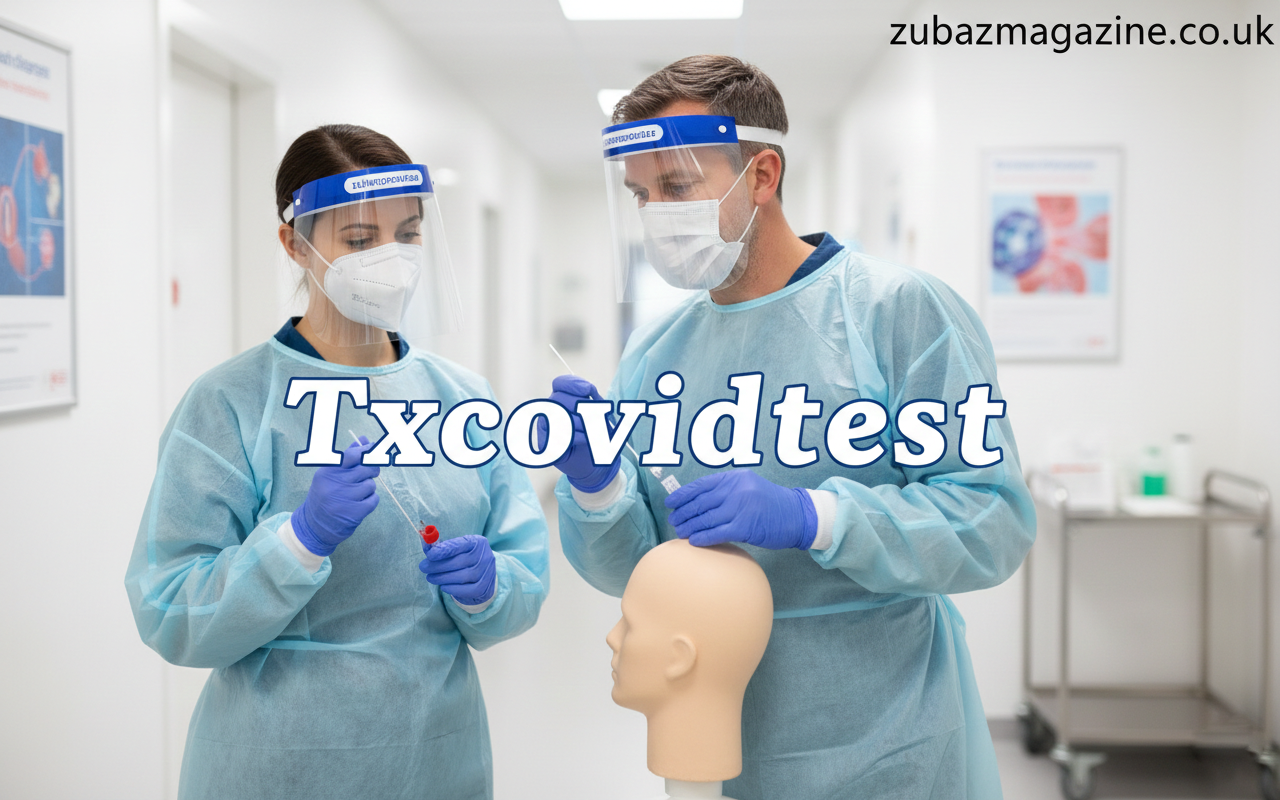
Txcovidtest: Everything You Need to Know About COVID Testing in Texas
Learn what Txcovidtest means, how COVID testing works in Texas, test types, costs, timing, and what to do after positive or negative results.

Introduction
COVID-19 changed how people think about health, travel, work, and everyday safety. Even though the world has moved forward in many ways, testing is still a big part of staying informed and protecting others. Txcovidtest is a term many Texans search when they need fast, reliable information about COVID testing options, where to get tested, how results work, and what to do next. Whether you’re preparing for travel, feeling symptoms, or testing for work or school, understanding Txcovidtest can save you time, stress, and confusion.
In this guide, you’ll learn what Txcovidtest means, how COVID testing works in Texas, what types of tests are available, what results really mean, and how to choose the best testing option for your situation. You’ll also get clear comparisons, helpful tables, and real-world examples so you can make smart decisions quickly.
What Is Txcovidtest and Why Do People Search It?
The keyword Txcovidtest is commonly associated with finding COVID testing services in Texas. In most cases, people searching it are looking for one of three things: a testing location, an online testing resource, or official guidance related to Texas COVID test access.
In simple terms, Txcovidtest represents the idea of COVID testing in Texas, including rapid testing, PCR testing, at-home test kits, appointment scheduling, and result interpretation. It’s not just a single product—it’s more like a shortcut phrase people use when they urgently need answers.
A lot of Texans search this term during stressful moments: before a family visit, after a known exposure, or when symptoms appear out of nowhere. And honestly, that urgency makes sense. When your health is on the line, you don’t want vague information—you want clear steps.
Quick Overview: What Txcovidtest Covers (Helpful Snapshot)
Before diving deeper, here’s a simple breakdown of what people usually mean when they refer to Txcovidtest.
| Topic Area | What It Means | Why It Matters |
|---|---|---|
| Testing Locations | Clinics, pharmacies, mobile sites | Helps you find nearby options fast |
| Test Types | PCR, rapid antigen, at-home kits | Impacts accuracy and timing |
| Test Requirements | Travel, work, school | Ensures you meet rules and deadlines |
| Results & Timing | Same-day, 24 hours, 48 hours | Helps you plan isolation and next steps |
| Cost & Coverage | Insurance, free programs | Saves money and avoids surprises |
This table may look basic, but it covers the exact things most people panic-search when they feel sick or need proof of testing.
How COVID Testing Works in Texas Today
COVID testing in Texas is widely available compared to the early pandemic days. You can get tested at retail pharmacies, urgent care clinics, community health centers, and even through some employer-sponsored programs. At-home tests are also extremely common now.
However, the system still works differently depending on where you go. Some locations require appointments, others accept walk-ins, and some provide results through online portals that can feel confusing if you’re not used to medical paperwork.
One thing to understand early: COVID testing isn’t only about “positive or negative.” Timing matters, symptoms matter, and exposure history matters. Testing too early can give a false sense of security, and testing too late may not help you protect others.
That’s why Txcovidtest searches are often driven by a deeper question: “What’s the smartest way to test right now?”
Types of COVID Tests Available Through Txcovidtest Searches
Different tests serve different purposes. If you choose the wrong one, you might waste time, money, or both. Let’s break them down clearly.
PCR Tests (Lab-Based Molecular Tests)
PCR tests are considered the most accurate type of COVID test. They detect the virus’s genetic material, meaning they can catch infections earlier than many rapid tests.
PCR testing is often required for certain medical settings and international travel. The downside is speed. Even if a clinic says “24-hour results,” delays can happen when labs get busy.
PCR tests are best when accuracy matters most, especially after a known exposure or if symptoms are mild but suspicious.
Rapid Antigen Tests (Fast Results, Less Sensitive)
Rapid antigen tests became popular because they’re quick. Many people can get results within 15–30 minutes, which feels like magic compared to waiting days.
But they’re less sensitive than PCR tests, especially early in infection. That means you can test negative while still being infected, especially if you test too soon.
These tests are great for quick decision-making, like before a gathering or when symptoms are obvious.
At-Home COVID Tests (Convenience First)
At-home tests are usually rapid antigen tests. They’re easy, private, and convenient. You can test without leaving your house, which is helpful when you feel too sick to drive or don’t want to expose others.
The challenge is proper usage. Many false negatives happen simply because people don’t swab correctly or test at the wrong time.
If you use an at-home test, it’s smart to repeat it 24–48 hours later if symptoms continue.
COVID Test Comparison Table (PCR vs Rapid vs At-Home)
Here’s a practical comparison that makes choosing easier.
| Feature | PCR Test | Rapid Antigen Test | At-Home Test |
|---|---|---|---|
| Accuracy | Very high | Moderate | Moderate |
| Time to Results | 24–72 hours | 15–30 minutes | 15–30 minutes |
| Best For | Confirming infection | Quick screening | Personal convenience |
| Detects Early Infection | Yes | Sometimes | Sometimes |
| Common Use | Travel, healthcare | Work, school | Home safety decisions |
This table is especially helpful if your Txcovidtest search is driven by urgency and you don’t want to make the wrong choice.
Where to Get Tested in Texas (Common Txcovidtest Results)
If you’re searching Txcovidtest, you’re probably asking the most practical question: Where can I actually get tested today?
Texas offers several common testing channels.
Pharmacies and Retail Stores
Major pharmacy chains often offer rapid and PCR testing. These are popular because they’re everywhere and easy to access. Many allow you to book online, though same-day slots may fill quickly.
Pharmacies work best for routine testing needs, especially if you need a printed result for work or travel.
Urgent Care Clinics
Urgent care clinics usually provide rapid tests, PCR tests, and sometimes treatment guidance. If you feel very sick or need a doctor’s note, urgent care is a strong option.
The downside is cost. Some urgent care centers charge more than Pharmacies, especially for uninsured patients.
Community Clinics and Public Health Programs
Many Texas counties and community health centers provide low-cost or free testing depending on funding availability. These programs are extremely valuable for families, students, and uninsured individuals.
Sometimes, though, these sites have longer wait times or limited hours. Still, for affordability, they’re often the best deal.
Employer and School Testing Programs
Some workplaces and universities still offer on-site testing, especially in high-contact industries like healthcare or education.
This option is convenient, but it may come with reporting requirements, meaning your employer or institution may be notified of results.
How Much Does a COVID Test Cost in Texas?
Cost is one of the biggest reasons people keep searching Txcovidtest. The truth is: it depends heavily on your provider, insurance status, and test type.
Here’s a realistic breakdown.
| Testing Option | Typical Cost Range | Notes |
|---|---|---|
| Rapid Antigen (Clinic) | $0–$150 | Some clinics charge convenience fees |
| PCR Test (Lab) | $0–$250 | Travel PCR tests often cost more |
| At-Home Test Kit | $10–$40 | Usually sold in packs of 2 |
| Urgent Care Visit + Test | $100–$400 | Visit fee may be separate |
If you have insurance, some testing may be covered, but coverage policies vary widely now compared to the early pandemic period.
A good rule: if the test is for personal reassurance or travel, expect higher out-of-pocket costs. If the test is medically necessary due to symptoms, insurance is more likely to cover it.
Understanding Test Results: What Positive and Negative Actually Mean
This is where many people get tripped up. A COVID test result is not always the final truth—it’s more like a snapshot of your viral status at that moment.
What a Positive Test Means
A positive result usually means you are currently infected and can potentially spread the virus. Even if you feel fine, you may still be contagious.
Most healthcare providers recommend isolating and notifying close contacts if you test positive. Some people dismiss mild cases, but COVID still affects high-risk individuals severely, so it’s smart to treat a positive test seriously.
What a Negative Test Means
A negative test means the virus was not detected—but it does not guarantee you’re not infected.
If you test too early after exposure, the virus may not have reached detectable levels yet. This is why some doctors recommend testing again 24–48 hours later, especially if symptoms develop.
The “False Negative” Situation (Common and Misleading)
False negatives happen most often with rapid tests and at-home tests. Imagine trying to detect a fire by looking for smoke. If the fire just started, you might not see anything yet—but the fire is still there.
That’s exactly how early COVID infection works.
When Should You Get Tested After Exposure?
Timing is everything. Testing too soon can waste your time and give you misleading confidence.
Here’s a simple timeline that most healthcare guidance aligns with:
| Time After Exposure | Best Action |
|---|---|
| Same day | Monitor symptoms, don’t rely on test |
| 1–2 days | Rapid test may still miss infection |
| 3–5 days | Best time to test for accuracy |
| 6–10 days | Still useful if symptoms appear |
| After 10 days | Test may not detect if infection passed |
If you’re searching Txcovidtest after a known exposure, the safest move is usually to test around day 3–5 and repeat if symptoms appear.
Txcovidtest for Travel, Work, and School Requirements
Many people don’t test because they feel sick—they test because they need clearance. That’s a huge part of modern testing demand.
Travel Testing Needs
Some destinations and cruise lines still request proof of testing in specific situations. When required, PCR tests are often preferred because they’re more trusted and easier to document.
If you’re traveling, always check timing rules. Some places require testing within 24 hours, others within 72 hours.
Missing a deadline by even a few hours can ruin a trip.
Workplace Requirements
Some employers require proof of a negative test after symptoms, exposure, or a positive result. Healthcare workers, teachers, and service workers are most likely to encounter these rules.
Workplace testing usually focuses on rapid results, but some employers require PCR confirmation.
School and College Testing
Universities and school districts sometimes ask students to test after holiday travel, outbreaks, or confirmed classroom exposure.
Parents often use at-home tests first because it’s quick, then follow up with a clinic test if needed.
Real-Life Example: A Common Txcovidtest Situation
Let’s make this real with a relatable scenario.
Imagine a dad in Houston wakes up with a sore throat on Friday. He has a family birthday party on Saturday and doesn’t want to cancel. He searches Txcovidtest, grabs an at-home rapid test, and it comes back negative.
He goes to the party anyway.
By Sunday, the fever hits. He tests again—positive.
Now the whole family is anxious, and two grandparents feel sick.
This is not rare. It happens constantly because people assume one negative test equals safety. In reality, repeating the test 24 hours later would have been smarter.
COVID testing isn’t just about results. It’s about timing and responsibility.
What to Do If You Test Positive in Texas
If your test comes back positive, don’t panic—but don’t ignore it either.
Start by isolating yourself from others in your household if possible. Avoid sharing towels, cups, and close spaces. If you live with high-risk individuals, take extra precautions immediately.
If symptoms are mild, rest, hydrate, and monitor your condition. If symptoms become severe—especially breathing difficulty, chest pain, confusion, or persistent high fever—you should seek medical help.
Many people recover fine at home, but the key is watching symptoms closely instead of assuming it will stay mild.
If your Txcovidtest search led you to a positive result, your next step should be clear: protect others, manage symptoms, and seek care if things worsen.
How to Choose the Best Test Based on Your Situation
Choosing a test isn’t complicated if you think about your goal.
If your priority is speed, rapid testing makes sense. If your priority is accuracy, PCR is the safer bet. If your priority is privacy and convenience, at-home tests are ideal.
Here’s a quick guide:
- If you have symptoms: PCR or rapid, then repeat if negative
- If you were exposed: test after 3–5 days
- If you need travel proof: PCR is usually safest
- If you’re checking before an event: rapid test the same day
This is why Txcovidtest matters. It’s not just about finding a test. It’s about finding the right test at the right time.
Common Mistakes People Make When Using COVID Tests
A lot of COVID testing errors are avoidable, but people repeat them because they’re stressed or rushed.
One mistake is testing too early after exposure. Another is assuming one negative test means you’re safe. Many people also forget that even mild symptoms can signal infection.
Some users also take at-home tests incorrectly. They swab too lightly, don’t insert the swab far enough, or don’t wait the correct amount of time before reading results.
Think of a COVID test like baking cookies. If you take them out too early, you’ll think they’re done—but they’re not. Timing matters.
Conclusion
Txcovidtest is more than just a search term—it represents the real need Texans have for fast, accurate, and trustworthy COVID testing information. Whether you’re testing for symptoms, exposure, work requirements, school rules, or travel plans, understanding your options can prevent confusion and protect the people around you.
PCR tests remain the most accurate choice, while rapid and at-home tests provide speed and convenience. But no matter which test you choose, timing is everything. Testing too early can mislead you, and testing once may not be enough if symptoms continue.
The best takeaway is simple: use COVID testing as a smart tool, not a one-time answer. Stay aware, retest when needed, and treat results responsibly. When used correctly, Txcovidtest resources can help you make safer decisions with confidence.
Frequently Asked Questions (FAQs)
1. What does Txcovidtest mean?
Txcovidtest generally refers to COVID testing options in Texas. People use it to find testing sites, test types, and result information. It’s commonly searched during symptoms, travel planning, or exposure situations.
2. Is a PCR test better than a rapid test?
Yes, PCR tests are usually more accurate because they detect viral genetic material. Rapid tests are faster but may miss early infections. Many people use rapid tests first and confirm with PCR if needed.
3. How soon after exposure should I test?
The best time to test is usually 3–5 days after exposure. Testing earlier can produce a false negative. If symptoms develop, testing immediately and retesting later is a smart approach.
4. Can I trust an at-home COVID test?
At-home tests can be reliable when used correctly, especially when symptoms are present. However, they’re less sensitive than PCR tests. If you test negative but still feel sick, retesting is recommended.
5. Where can I get a COVID test in Texas quickly?
Many pharmacies, urgent care centers, and clinics offer same-day rapid testing. At-home kits are also widely available in stores. Availability depends on location and demand, especially during seasonal spikes.
Introduction
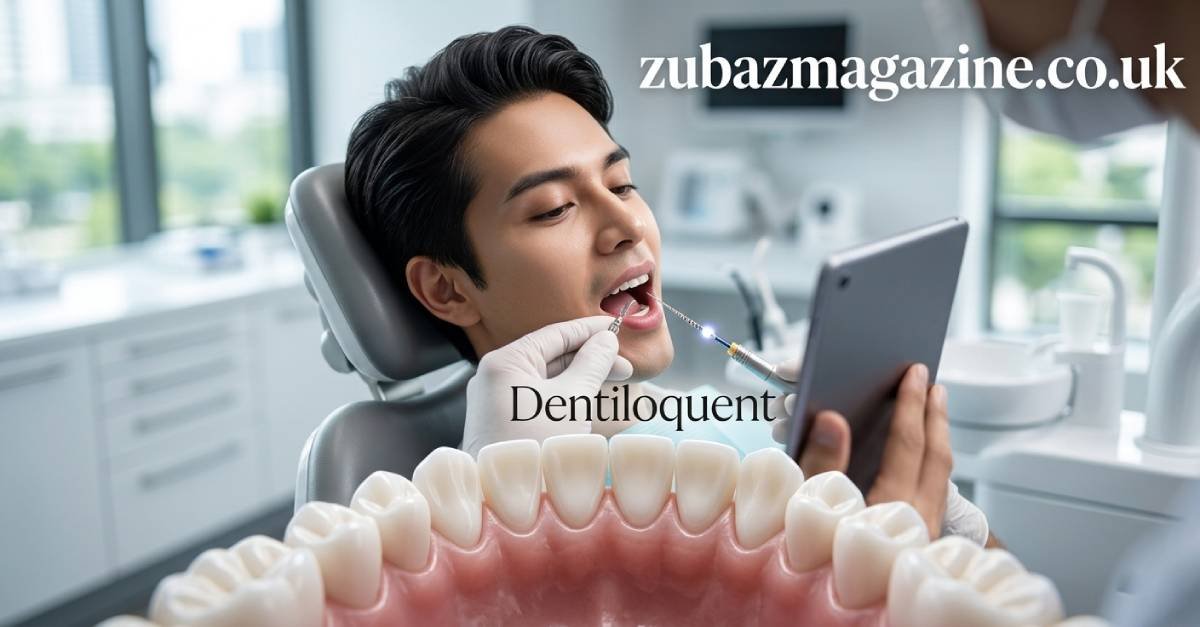
Language is full of fascinating words that describe subtle human behaviors. One of the most intriguing among them is Dentiloquent, a rare and expressive term that captures a very specific way of speaking. Imagine someone talking while their teeth remain clenched—perhaps out of anger, restraint, or intense emotion. That precise act is what the word Dentiloquent represents. Though the term is not widely used in everyday conversation, it paints a vivid picture of controlled speech, tension, and emotional undercurrents.
Understanding words like Dentiloquent opens a window into the richness of language. They reveal how communication isn’t just about vocabulary but also about tone, posture, and physical expression. The way someone speaks—whether calmly, loudly, or through tightly closed teeth—can communicate as much emotion as the words themselves.
This article explores the meaning, origins, cultural relevance, and real-life implications of Dentiloquent speech. Readers will learn how the term developed, where it appears in literature and communication, and why it still matters today. Along the way, we will examine examples, psychological insights, and social interpretations that make this fascinating word more than just a dictionary entry.
What Does Dentiloquent Mean?
At its core, Dentiloquent describes a person who speaks while their teeth are clenched or tightly pressed together. The term combines the Latin roots denti (tooth) and loqui (to speak). Together, they form a word that literally means “speaking through the teeth.”
This form of speech is often associated with restrained anger or suppressed emotion. When someone talks in this manner, the sound may appear tense or slightly muffled. Listeners often interpret the tone as controlled, irritated, or emotionally charged.
The behavior is recognizable in everyday situations. For instance, imagine a character in a movie saying, “I’m perfectly fine,” while their jaw remains tight and their teeth barely part. Even if the words sound calm, the body language reveals something else entirely.
Dentiloquent speech is therefore not just about pronunciation—it’s about emotional expression. It reflects a moment when a person tries to maintain composure while strong feelings push beneath the surface.
The Origins and Linguistic Roots of Dentiloquent
The history of Dentiloquent traces back to classical Latin influences. Many descriptive English words evolved from Latin combinations, especially those that describe actions or physical states.
Linguistic Structure
| Component | Latin Root | Meaning |
|---|---|---|
| Denti | dens, dentis | Tooth |
| Loquent | loqui | To speak |
| Dentiloquent | Combined form | Speaking through clenched teeth |
The structure of the word reveals how early scholars used Latin to form expressive terms that captured precise behaviors. Although Dentiloquent is rarely used in casual speech today, it remains a fascinating example of descriptive language.
Writers and linguists often appreciate such terms because they compress an entire scenario into a single word. Instead of describing a situation in multiple sentences, one carefully chosen word conveys the same meaning.
Dentiloquent Speech in Human Communication
Speech is not purely verbal; it includes facial expressions, posture, and tone. Dentiloquent speech demonstrates how physical tension influences communication.
When people speak through clenched teeth, their voices may sound tight or strained. The limited movement of the jaw restricts normal articulation, producing a distinctive sound pattern.
Emotional Signals Behind Dentiloquent Speech
| Emotion | Typical Context | Listener Interpretation |
|---|---|---|
| Anger | Arguments or confrontation | Suppressed rage |
| Frustration | Workplace or stressful situations | Controlled irritation |
| Determination | Competitive or intense moments | Focused resolve |
| Restraint | Avoiding escalation in conflict | Forced calmness |
These emotional cues make Dentiloquent communication powerful. Even if someone tries to hide their feelings, the tension in their speech often reveals the truth.
Body language experts frequently emphasize that tone and physical expression can outweigh the literal meaning of words. Dentiloquent speech is a perfect example of that principle.
Psychological Insights Behind Speaking Through the Teeth
Human emotions often manifest physically. When individuals experience anger or stress, the body naturally tightens muscles, including those around the jaw.
Psychologists note that clenching the jaw is a common reaction to emotional pressure. This tension can unintentionally affect speech patterns, producing the Dentiloquent style of speaking.
Why People Speak Dentiloquently
Several psychological factors can trigger this behavior:
- Suppressed anger when someone tries not to explode emotionally
- Social restraint in situations where open conflict is inappropriate
In many professional or social settings, people are expected to remain polite even when they feel frustrated. Dentiloquent speech sometimes emerges as a compromise between emotional expression and social control.
For example, an employee responding to unfair criticism might reply calmly but with tightly clenched teeth. The words may sound polite, but the underlying tension signals deeper feelings.
Dentiloquent Characters in Literature and Film
Storytellers often rely on subtle details to portray emotion. Dentiloquent dialogue appears frequently in literature and cinema because it conveys intensity without requiring long explanations.
Consider dramatic scenes where characters struggle to control their anger. Instead of shouting, they speak quietly through clenched teeth. The restrained tone can make the moment even more powerful than loud confrontation.
Example Character Behaviors
| Scenario | Character Reaction | Effect on Audience |
|---|---|---|
| Confrontation with an enemy | Quiet, clenched speech | Builds suspense |
| Betrayal by a friend | Tight-jawed response | Shows emotional hurt |
| Competitive rivalry | Controlled, tense dialogue | Demonstrates determination |
Many actors intentionally use this style of speech during intense scenes. The subtle tension adds realism and emotional depth to performances.
Everyday Situations Where Dentiloquent Speech Appears
Although the word itself may sound formal, the behavior it describes happens frequently in daily life.
Imagine a driver stuck in heavy traffic. They might mutter a few words under their breath with their teeth clenched. Or consider a parent calmly reminding a child about rules while struggling to stay patient.
Dentiloquent speech often appears during moments of emotional restraint. People want to maintain composure but cannot fully hide their irritation.
Common Real-Life Examples
| Situation | Likely Reaction |
|---|---|
| Workplace disagreement | Controlled but tense response |
| Competitive sports moment | Determined, tight-jawed remarks |
| Family argument | Attempt to stay calm while angry |
| Stressful deadline | Frustrated speech through clenched teeth |
These examples illustrate how physical tension shapes communication. The words may sound controlled, yet the tone reveals underlying emotion.
The Cultural Significance of Subtle Speech Signals
Every culture recognizes nonverbal communication cues. While languages differ widely, the act of speaking through clenched teeth carries similar meanings across societies.
In many cultures, open displays of anger are discouraged. People learn to regulate their reactions to maintain harmony and respect. Dentiloquent speech can emerge as a socially acceptable outlet for suppressed emotion.
Interestingly, audiences across the world easily recognize this behavior in films or conversations. Even without understanding the language being spoken, viewers can sense tension when a character speaks with a tight jaw.
This universality highlights the deep connection between physical expression and communication.
How Dentiloquent Speech Affects Perception
Listeners often pick up on subtle vocal cues without consciously analyzing them. Dentiloquent speech can shape how a message is interpreted.
For instance, a statement delivered with relaxed speech might sound friendly or neutral. The same sentence spoken through clenched teeth may seem threatening or sarcastic.
Comparison of Speech Styles
| Speech Style | Jaw Position | Perceived Tone |
|---|---|---|
| Relaxed speech | Open and natural | Friendly or neutral |
| Dentiloquent speech | Teeth tightly closed | Tense or irritated |
| Raised voice | Wide mouth movement | Aggressive or emotional |
These differences show how physical speech patterns influence interpretation. A simple change in jaw tension can transform the emotional impact of a message.
Can Dentiloquent Speech Be Controlled?
Because Dentiloquent speech often stems from emotional tension, managing it requires awareness and self-control. Many communication experts recommend techniques that help reduce physical stress during conversations.
Deep breathing, relaxation of facial muscles, and conscious pauses can help release jaw tension. When the jaw loosens, speech naturally becomes clearer and calmer.
Mindfulness practices also encourage individuals to notice physical reactions before they escalate. By recognizing the signs of tension early, people can prevent their emotions from taking over their communication.
However, occasional Dentiloquent speech is completely normal. It simply reflects the natural link between emotions and physical expression.
Conclusion
The word Dentiloquent captures a remarkable aspect of human communication—speaking through clenched teeth. Though it may appear obscure, the behavior it describes is instantly recognizable in everyday life. From moments of suppressed anger to scenes of dramatic tension in storytelling, this style of speech reveals how deeply emotions influence the way we talk.
Exploring Dentiloquent speech highlights the importance of tone, body language, and physical expression in communication. Words alone rarely tell the full story. The tension in a voice or the tightness of a jaw can communicate feelings that remain unspoken.
By becoming more aware of these subtle signals, individuals can better understand others and manage their own emotional responses. Language is not only about vocabulary; it is also about the human experience behind every spoken phrase. Dentiloquent speech reminds us that sometimes the most powerful messages are conveyed through the smallest physical cues.
Frequently Asked Questions (FAQs)
1. What does Dentiloquent mean?
Dentiloquent refers to speaking while the teeth are clenched or tightly pressed together. It often indicates suppressed anger, tension, or emotional restraint.
2. Is Dentiloquent a commonly used word?
No, the term is relatively rare in everyday conversation. However, the behavior it describes is widely recognized in real-life interactions and storytelling.
3. Why do people speak through clenched teeth?
This usually happens when someone experiences strong emotions but tries to control them. The physical tension in the jaw can unintentionally affect speech.
4. Is Dentiloquent speech always related to anger?
Not always. While anger is common, it can also appear during determination, stress, or moments when someone is trying to maintain composure.
5. Can Dentiloquent speech affect communication?
Yes. Speaking with a clenched jaw can make words sound tense or strained, which may influence how listeners interpret the message.

Introduction
Heart health is something most people don’t think about—until they have to. That’s where Provascin enters the conversation. Provascin is increasingly discussed as a cardiovascular support supplement designed to promote healthy blood flow, balanced blood pressure, and overall heart wellness. Whether you’re exploring preventive health options or searching for natural support for circulation, understanding how Provascin works can help you make informed decisions.
In this comprehensive guide, you’ll learn what Provascin is, how it works, its ingredients, potential benefits, safety considerations, and how it compares to other cardiovascular solutions. We’ll also explore who it’s best suited for and what to realistically expect. If you’re serious about long-term heart health, this article will give you the clarity you need.
What Is Provascin?
Provascin is commonly marketed as a dietary supplement formulated to support cardiovascular health. It typically combines plant-based extracts, amino acids, vitamins, and minerals aimed at improving circulation and maintaining healthy blood pressure levels.
Unlike prescription medications that target specific cardiovascular conditions, Provascin is positioned as a wellness supplement. It’s often used by individuals looking to:
- Support normal blood pressure
- Improve vascular function
- Enhance blood flow
- Maintain overall heart performance
While formulas may vary slightly depending on the manufacturer, the core goal remains the same: to promote better circulation and protect heart health naturally.
Product Overview Table
| Feature | Details |
|---|---|
| Product Name | Provascin |
| Category | Cardiovascular Support Supplement |
| Primary Purpose | Blood flow and heart health support |
| Form | Capsules or tablets |
| Typical Users | Adults concerned about circulation and blood pressure |
| Availability | Online retailers and supplement stores |
How Provascin Works in the Body
To understand Provascin’s value, it’s important to grasp how circulation works. Your heart pumps blood through arteries, delivering oxygen and nutrients throughout the body. When arteries become stiff or narrow, blood flow decreases, increasing strain on the heart.
Provascin formulations often focus on supporting nitric oxide production. Nitric oxide helps relax blood vessels, improving their flexibility and allowing smoother blood flow. Think of it like widening a narrow road—traffic moves more efficiently with less congestion.
Additionally, antioxidant ingredients commonly found in Provascin may help combat oxidative stress. Oxidative stress damages blood vessel walls over time, contributing to cardiovascular strain. By supporting vascular health at a cellular level, Provascin aims to reduce that burden.
Key Ingredients in Provascin
While exact formulations differ, many Provascin products contain ingredients such as:
| Ingredient | Purpose |
|---|---|
| L-Arginine | Supports nitric oxide production |
| L-Citrulline | Enhances blood vessel dilation |
| Hawthorn Extract | Traditionally used for heart support |
| Garlic Extract | May help maintain healthy blood pressure |
| Magnesium | Supports muscle and nerve function |
| CoQ10 | Assists in cellular energy production |
Why These Ingredients Matter
L-Arginine and L-Citrulline work together to improve nitric oxide levels. That supports vascular relaxation. Hawthorn has been studied for its potential role in improving circulation and heart efficiency.
Garlic extract is often included because of its long-standing association with heart health. Magnesium supports smooth muscle function, including the muscles lining blood vessels. CoQ10 contributes to energy production within heart cells.
Each ingredient plays a complementary role rather than working in isolation.
Benefits of Provascin
1. Supports Healthy Blood Flow
Improved circulation is one of the most frequently cited benefits of Provascin. When blood vessels remain flexible, the heart doesn’t have to work as hard. That can promote overall cardiovascular efficiency.
Better circulation may also contribute to improved stamina and reduced fatigue in some users.
2. Helps Maintain Balanced Blood Pressure
Many ingredients in Provascin are associated with vascular relaxation. Relaxed arteries can help maintain healthy blood pressure levels within a normal range.
It’s important to note that this is supportive—not a replacement for prescribed medication.
3. May Improve Energy Levels
The heart is a muscle that requires significant energy. Ingredients like CoQ10 assist in ATP production, the body’s energy currency. Some users report feeling more energetic after consistent use.
4. Antioxidant Protection
Oxidative stress plays a role in cardiovascular aging. Antioxidants in Provascin may help protect blood vessels from free radical damage.
Who Should Consider Provascin?
Provascin may appeal to adults who:
- Are over 40 and focused on preventive heart care
- Have a family history of cardiovascular concerns
- Experience mild circulation issues
- Want to complement a heart-healthy lifestyle
It’s not intended for individuals with serious cardiovascular conditions without medical supervision.
Case Example
Mark, a 52-year-old office worker, noticed increasing fatigue and occasional elevated blood pressure readings. After consulting his physician, he added a heart-support supplement similar to Provascin alongside exercise and diet changes. Over several months, his energy improved and blood pressure stabilized within a healthy range.
While individual results vary, this example shows how supplementation often works best when combined with lifestyle improvements.
Comparing Provascin to Other Heart Supplements
Not all cardiovascular supplements are created equal. Here’s how Provascin typically compares:
| Feature | Provascin | Generic Heart Supplement | Prescription Medication |
|---|---|---|---|
| Requires Prescription | No | No | Yes |
| Targets Nitric Oxide | Often Yes | Sometimes | Rarely |
| Includes Herbal Extracts | Yes | Varies | No |
| Designed for Prevention | Yes | Yes | Usually Treatment |
| Side Effects Risk | Low to Moderate | Low | Moderate to High |
The biggest distinction lies in purpose. Provascin is generally preventive and supportive, while medications are therapeutic and condition-specific.
Safety and Side Effects
Most ingredients commonly found in Provascin are well-tolerated. However, possible side effects may include:
- Mild digestive discomfort
- Headaches
- Lightheadedness
These effects are usually temporary. Individuals taking blood pressure medication or blood thinners should consult a healthcare provider before starting Provascin.
Pregnant or nursing women should avoid supplementation unless directed by a physician.
How to Take Provascin for Best Results
Consistency matters. Supplements rarely deliver immediate effects. Most manufacturers recommend daily use for at least 4–8 weeks before evaluating results.
For optimal benefits:
- Take with meals to improve absorption.
- Stay hydrated.
- Pair with regular physical activity.
- Maintain a balanced diet rich in vegetables and healthy fats.
Heart health is cumulative. Supplements support the process—but habits sustain it.
Lifestyle Factors That Enhance Provascin’s Effectiveness
Even the best supplement won’t compensate for poor habits. Cardiovascular wellness depends on multiple factors:
- Regular aerobic exercise
- Reduced sodium intake
- Stress management
- Quality sleep
- Avoiding smoking
Imagine Provascin as a teammate, not a replacement. When you combine supplementation with healthy behaviors, results tend to be more noticeable.
Potential Limitations of Provascin
No supplement is a magic solution. Provascin does not cure heart disease or replace prescribed treatments. Effects can vary based on age, diet, genetics, and overall health.
Also, supplement quality matters. Manufacturing standards differ across brands. Always verify sourcing, testing, and ingredient transparency before purchasing.
Is Provascin Worth It?
The answer depends on your goals. If you’re seeking preventive cardiovascular support and want a formula that combines nitric oxide boosters with antioxidants, Provascin may be worth exploring.
However, expectations should remain realistic. It works best as part of a broader wellness strategy—not as a standalone fix.
Conclusion
Provascin represents a modern approach to cardiovascular support, combining nitric oxide precursors, herbal extracts, and antioxidant Nutrients to promote better circulation and heart performance. While it’s not a replacement for medical treatment, it can serve as a valuable addition to a heart-conscious lifestyle.
The key takeaways are simple: support your blood vessels, protect against oxidative stress, and prioritize consistent habits. Supplements like Provascin can enhance those efforts when used responsibly.
If you’re considering adding Provascin to your routine, consult a healthcare professional, evaluate your current lifestyle, and commit to long-term wellness. Your heart works tirelessly for you—supporting it is one of the smartest health investments you can make.
Frequently Asked Questions (FAQs)
1. What is Provascin used for?
Provascin is typically used to support cardiovascular health, improve circulation, and help maintain healthy blood pressure levels.
2. How long does Provascin take to work?
Most users evaluate results after 4–8 weeks of consistent daily use, although individual experiences vary.
3. Can Provascin replace blood pressure medication?
No. Provascin is a supplement and should not replace prescribed medications without medical guidance.
4. Are there side effects associated with Provascin?
Some users may experience mild digestive issues or headaches. Serious side effects are uncommon but possible.
5. Who should avoid taking Provascin?
Individuals on blood pressure medications, blood thinners, pregnant women, and those with serious heart conditions should consult a doctor first.
Health
Mendofever: Uses, Benefits, and Safety Guide
Learn everything about Mendofever, including uses, benefits, dosage, side effects, and safety tips in this comprehensive guide.

Introduction
When your body heats up, aches settle into your joints, and a headache refuses to leave, relief becomes urgent. That’s where Mendofever enters the conversation. Mendofever is widely recognized as a fever-reducing and pain-relieving medication designed to help manage common symptoms such as high temperature, body aches, and mild inflammation. Whether it’s seasonal flu, viral infections, or post-vaccination discomfort, Mendofever is often used as a supportive solution to restore comfort and normalcy.
Understanding how Mendofever works, when to use it, and what precautions to follow is essential. Medication isn’t just about swallowing a tablet—it’s about informed decisions. In this comprehensive guide, you’ll learn everything from its composition and benefits to safety considerations, dosage practices, and real-life usage scenarios. By the end, you’ll feel confident about how Mendofever fits into symptom management and everyday healthcare.
What Is Mendofever?
Mendofever is generally categorized as an antipyretic (fever reducer) and analgesic (pain reliever). It’s typically formulated with ingredients designed to lower body temperature and ease discomfort without causing heavy sedation. While formulations may vary depending on manufacturer and region, the purpose remains consistent: symptom relief during fever-related conditions.
Below is a quick overview table of Mendofever’s general profile:
| Feature | Details |
|---|---|
| Category | Antipyretic & Analgesic |
| Common Use | Fever, headache, body pain |
| Available Forms | Tablets, syrup, suspension |
| Suitable For | Adults & children (dose varies) |
| Prescription Status | Often OTC (varies by country) |
What makes Mendofever practical is its versatility. It can be used during viral fevers, mild infections, or even for discomfort linked to stress and fatigue. However, like any medication, it must be used responsibly.
How Mendofever Works in the Body
Temperature Regulation Mechanism
Fever occurs when the body’s thermostat—located in the brain—raises temperature in response to infection. Mendofever works by influencing chemical messengers responsible for signaling temperature elevation. By moderating these signals, it helps bring the body temperature back to normal range.
This process doesn’t fight the infection directly. Instead, it supports comfort while the immune system handles the root cause. Think of it as calming the fire alarm while firefighters handle the flames.
Pain Relief Function
Pain often accompanies fever. Headaches, muscle soreness, and joint stiffness can make even simple tasks exhausting. Mendofever interferes with pain-signaling pathways in the nervous system, reducing the intensity of discomfort.
The result? Less throbbing, less tension, and improved ability to rest—something the body desperately needs during illness.
Common Uses of Mendofever
Mendofever is commonly used in a variety of everyday health situations. These include:
- Viral fevers and seasonal flu
- Headaches and minor body pain
Beyond these, it’s also used for mild toothaches, menstrual discomfort, and post-immunization fever. The versatility of Mendofever makes it a staple in many household medicine cabinets.
Let’s explore how it fits into different scenarios.
During Seasonal Illness
Cold and flu seasons often bring sudden fever spikes. Many individuals turn to Mendofever to stabilize temperature and manage muscle aches. This helps them rest better, which is critical for recovery.
After Vaccination
Mild fever and soreness after vaccines are common immune responses. Doctors often recommend fever reducers like Mendofever in appropriate doses to manage temporary discomfort.
Everyday Minor Pains
Sometimes, it’s not about illness. Long work hours, dehydration, or stress can trigger headaches. In such cases, Mendofever may offer short-term relief.
Benefits of Using Mendofever
Understanding the advantages of Mendofever helps clarify why it’s widely used.
Fast Symptom Relief
One of the most appreciated benefits is how quickly it begins working. Many users report noticeable temperature reduction within an hour. Quick relief makes a major difference, especially in children who become irritable during fever.
Non-Drowsy Formula
Unlike some cold medications, Mendofever generally does not induce heavy drowsiness. This allows individuals to function normally while recovering.
Suitable for Multiple Age Groups
When taken in correct dosage, it’s often safe for both adults and children. Pediatric versions are typically available in syrup form, making administration easier.
Here’s a comparison table showing how Mendofever stacks up against general fever medications:
| Feature | Mendofever | General Pain Relievers |
|---|---|---|
| Fever Control | Yes | Yes |
| Anti-Inflammatory | Mild/Varies | Moderate (depends on type) |
| Stomach Irritation Risk | Low to moderate | Can be higher (varies) |
| Child-Friendly Form | Yes | Not always |
Proper Dosage and Administration
Dosage depends on age, weight, and medical history. Always follow label instructions or a healthcare provider’s advice.
For Adults
Adults typically take tablets at specified intervals, ensuring they do not exceed maximum daily limits. Overuse can strain the liver or kidneys.
For Children
Pediatric doses are weight-based. Measuring devices like syringes or dosing cups should be used for accuracy. Guesswork can lead to underdosing or overdosing.
Consistency matters. Avoid mixing Mendofever with other medications containing similar ingredients unless advised by a doctor.
Possible Side Effects and Safety Precautions
Every medication carries potential risks. Mendofever is generally safe when used as directed, but awareness is key.
Mild Side Effects
Some individuals may experience:
- Nausea
- Mild stomach discomfort
These are usually temporary. Staying hydrated and taking the medicine after meals can reduce discomfort.
Serious Reactions
Though rare, allergic reactions such as rash, swelling, or breathing difficulty require immediate medical attention. Individuals with liver disorders should consult healthcare providers before use.
Who Should Avoid Mendofever?
Not everyone should take Mendofever without professional guidance.
People with chronic liver disease, severe kidney impairment, or known allergies to its components should seek medical advice first. Pregnant or breastfeeding individuals should also consult a healthcare provider before use.
If symptoms persist for more than three days despite medication, further evaluation may be necessary.
Mendofever in Everyday Health Management
Fever can disrupt routines, productivity, and mental clarity. Mendofever plays a supportive role in restoring balance.
Imagine a working parent managing a sudden viral fever. By using Mendofever responsibly, they reduce discomfort and regain enough strength to rest and recover effectively. It doesn’t cure illness, but it enhances resilience during recovery.
Similarly, students dealing with exam stress often experience tension headaches. While rest and hydration are primary solutions, Mendofever may provide temporary relief in appropriate situations.
Storage and Handling Tips
Proper storage ensures effectiveness and safety.
Keep Mendofever in a cool, dry place away from direct sunlight. Liquid formulations should be tightly sealed and checked for expiration dates. Always store out of reach of children.
Expired medication should never be consumed. Dispose of it according to local pharmaceutical disposal guidelines.
Myths and Misconceptions About Mendofever
Myth 1: It Cures Infection
Mendofever does not eliminate bacteria or viruses. It only manages symptoms. Antibiotics or antiviral treatments may be required for underlying causes.
Myth 2: Higher Dose Means Faster Relief
Taking more than recommended does not speed recovery. It increases health risks. Responsible dosing is essential.
Myth 3: It’s Safe for Unlimited Use
Long-term or frequent usage without medical supervision can cause complications. Occasional use is generally safe; chronic symptoms require medical evaluation.
Understanding Fever: Why Management Matters
Fever itself is not the enemy. It’s the body’s defense mechanism. However, extremely high temperatures—especially in children—can lead to discomfort and dehydration.
Mendofever helps maintain safe temperature levels. By lowering fever moderately, it improves hydration, appetite, and sleep. These factors collectively strengthen immune recovery.
In many cases, proper rest, fluids, and balanced nutrition work alongside medication for best results.
When to Seek Medical Attention
Medication should not replace professional evaluation when symptoms escalate.
Seek medical care if:
- Fever exceeds 103°F (39.4°C)
- Symptoms last more than three days
- Severe headache, stiff neck, or confusion occurs
Persistent or worsening symptoms could indicate deeper health concerns.
Conclusion
Mendofever stands as a practical and widely used solution for managing fever and mild pain. It supports the body during illness, offering comfort and improved functionality while the immune system works behind the scenes. From seasonal flu relief to post-vaccination discomfort, its versatility makes it valuable in everyday Healthcare.
However, informed usage is crucial. Proper dosage, awareness of side effects, and understanding when to consult a healthcare provider ensure safe and effective outcomes. Mendofever is not a cure-all—but when used responsibly, it becomes a reliable ally in symptom management.
Stay mindful, stay informed, and prioritize overall health beyond just symptom control.
Frequently Asked Questions (FAQs)
1. What is Mendofever mainly used for?
Mendofever is primarily used to reduce fever and relieve mild to moderate pain such as headaches and body aches.
2. Can children take Mendofever?
Yes, but dosage must be weight-based and age-appropriate. Always follow pediatric guidelines or consult a healthcare provider.
3. How quickly does Mendofever lower fever?
It typically starts working within 30 to 60 minutes, depending on the individual and formulation.
4. Is Mendofever safe during pregnancy?
Pregnant individuals should consult a healthcare professional before using Mendofever to ensure safety.
5. Can Mendofever be taken daily?
It should only be used as needed. Daily or prolonged use without medical supervision is not recommended.
-
 Celebrity2 months ago
Tony Hinchcliffe Wife: Marriage, Privacy, and the Truth Behind the Curiosity
-

 Technology4 weeks ago
Fappelo: Understanding the Platform, Its Features, and Online Impact
-
 Technology2 months ago
Kracensoft.com: Exploring a Modern Hub for Digital Solutions
-
 Fashion & Lifestyle2 months ago
Succulent Meaning: Definition, Symbolism, and Uses Explained
-

 Technology4 weeks ago
Telemetryczny Systems: How Telemetry Technology Is Transforming Modern Data Monitoring
-

 SPORTS4 weeks ago
Cwtennis: The Modern Tennis Training System Changing the Game
-

 Fashion & Lifestyle4 weeks ago
Esclava Bracelet: History, Meaning, and Modern Style Guide
-

 Blog4 weeks ago
Yupoo: The Hidden Marketplace Behind Online Fashion Finds