
Introduction
The phrase succulent meaning might seem simple at first, but once you explore it, you realize it carries far more depth than most people expect. The word “succulent” is commonly associated with popular low-maintenance plants, but it also has strong meaning in language, food, culture, and even emotional symbolism. Whether you saw the term in a plant shop, a poem, a home décor trend, or a conversation about nature, it’s natural to wonder what “succulent” really means and why it feels so special.
In this detailed guide, you’ll learn the true succulent meaning in different contexts, including its dictionary definition, botanical explanation, cultural symbolism, spiritual associations, and modern usage. You’ll also discover how succulents became such powerful symbols of resilience, love, and personal growth. By the end, you’ll understand why succulents are more than plants—they’re meaningful metaphors that connect with real life.
Succulent Meaning Overview Table (Quick Facts)
Here’s a quick informational table to help you understand the term before we dive deeper.
| Topic Area | Succulent Meaning |
|---|---|
| Dictionary Definition | Juicy, rich, or full of moisture |
| Botanical Meaning | A plant that stores water in leaves/stems |
| Emotional Symbolism | Strength, endurance, calm energy |
| Popular Use | Houseplants, décor, gifts |
| Cultural Meaning | Prosperity, growth, protection |
| Modern Interpretation | Minimalist beauty + self-care lifestyle |
This table matters because the word “succulent” has both a literal and symbolic meaning, depending on how it’s used.
What Does Succulent Mean? (Simple Definition)
The most basic succulent meaning comes from the word’s original definition: something that is juicy, moist, or rich in liquid. That’s why people sometimes describe certain fruits, dishes, or meats as succulent. For example, a perfectly cooked steak can be called succulent because it’s tender and juicy.
However, in modern usage, the word “succulent” is most often linked to plants. A Succulent plant is one that stores water in its thick leaves, stems, or roots. This adaptation allows the plant to survive in dry climates where other plants would struggle.
So, the meaning depends on the context. In language, it often describes something delicious and juicy. In botany, it describes a water-storing plant. Both meanings share one idea: fullness and nourishment.
The Botanical Meaning of Succulent Plants
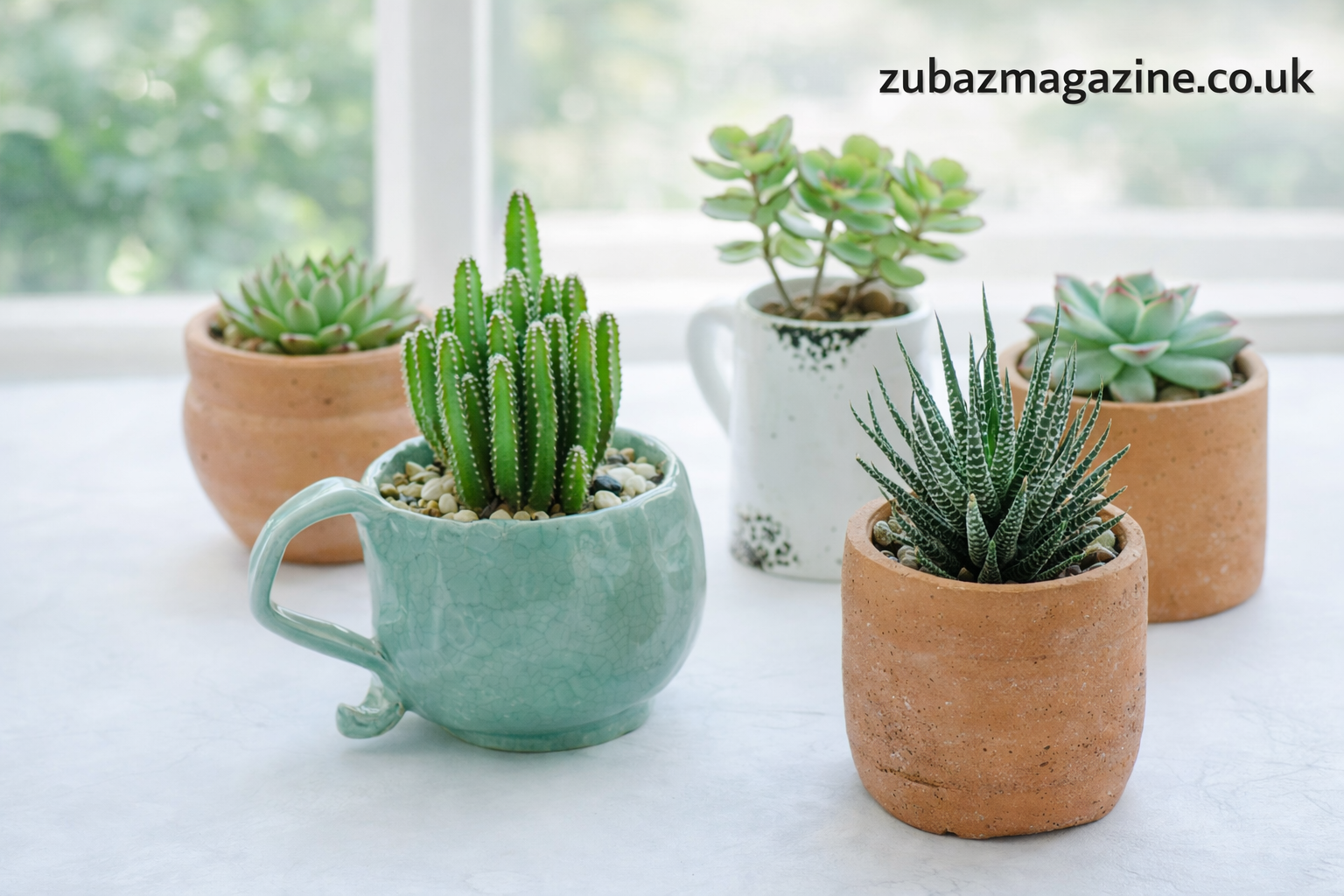
Succulents are plants designed by nature to survive drought. They’re not a single species, but a category of plants that share similar survival traits. This includes well-known plants like aloe vera, jade plant, echeveria, and many types of cacti.
The reason succulents look so unique is because their leaves and stems act like water tanks. When it rains, they absorb moisture quickly and store it. Then, during long dry periods, they use that stored water slowly to stay alive.
That’s why succulents often have thick, plump leaves. Their shape isn’t just for beauty—it’s a survival strategy. Many succulents also have a waxy coating on their leaves that helps reduce water loss.
This botanical definition is one of the strongest parts of succulent meaning because it connects directly to endurance and resilience.
Why Are Succulents Called “Succulent”?
The name comes from the Latin word succus, which means “juice” or “sap.” This makes perfect sense because succulents are full of stored moisture.
This is one of those rare words where the origin still matches modern meaning perfectly. Succulents are literally “juicy” plants. Even though they grow in deserts or dry climates, they carry water inside themselves like a hidden reserve.
That idea—holding life inside, even when conditions are harsh—is part of why succulents feel so inspiring to people. It’s not just a plant feature. It’s a symbol of quiet survival.
Succulent Meaning in Everyday Language
The word succulent is used in everyday speech in two major ways:
Succulent as a Food Description
When people say food is succulent, they mean it’s juicy, tender, and satisfying. It’s usually used for meats, grilled dishes, or fruits.
For example, roasted chicken can be described as succulent when it’s cooked perfectly. It implies that the food is rich, flavorful, and not dry.
Succulent as a Plant Category
When used as a noun, succulent usually refers to a plant that stores water. Most people now think of small decorative houseplants when they hear the word.
This dual meaning is interesting because both uses connect to the idea of richness and life. Whether it’s food or plants, succulent always suggests something full and nourishing.
Table: Succulent Meaning in Different Contexts
| Context | Meaning of Succulent | Example |
|---|---|---|
| Food | juicy, tender, rich | “The steak was succulent.” |
| Plants | water-storing plant | “I bought a succulent for my desk.” |
| Writing/Poetry | sensual, vivid | “A succulent garden of memories.” |
| Lifestyle | minimalist self-care symbol | “Succulents represent calm living.” |
This table shows why succulent meaning is broader than most people realize.
Succulent Meaning as a Symbol of Strength
One of the most powerful interpretations of succulent meaning comes from its natural survival ability. Succulents thrive in environments where water is rare, sunlight is harsh, and soil is poor.
That makes them a natural symbol of:
- resilience
- patience
- survival
- self-sufficiency
- quiet strength
Unlike flowers that bloom and fade quickly, succulents grow slowly and steadily. They don’t demand constant attention. They survive with minimal resources.
This is why succulents are often gifted to people going through tough times. They represent the message: “You can survive and still stay beautiful.”
It’s a soft but powerful kind of encouragement.
Succulent Meaning in Relationships and Love
Succulents are also linked to love and emotional balance. In many modern gift cultures, succulents represent steady affection rather than dramatic romance.
A rose might symbolize intense love, but a succulent symbolizes long-term commitment. It grows slowly, it lasts longer, and it doesn’t fade quickly.
In relationships, succulent meaning often connects to:
- enduring love
- loyalty
- emotional stability
- calm companionship
- growth through time
This is why succulents are popular gifts for anniversaries, housewarming events, and weddings. They represent a relationship that grows slowly but strongly.
Cultural Meaning of Succulents Around the World
Different cultures attach different meanings to succulents, but the theme is usually positive.
Succulents in Asian Symbolism
In Chinese and Feng Shui traditions, plants like the jade plant are often associated with wealth, luck, and prosperity. Jade plants are considered “money plants” and are believed to attract financial success when placed in the right location.
That’s why many businesses place jade plants near entrances. It’s not just decoration—it’s symbolic.
Succulents in Western Gift Culture
In Western countries, succulents are linked to modern lifestyle trends such as minimalism and wellness. People view them as calming, stylish plants that bring nature indoors without demanding much care.
They’re often associated with peaceful living and balance.
Succulents in Desert Cultures
In regions where deserts are common, succulents are admired for their toughness. They represent survival and adaptation. People often see them as proof that life can exist anywhere, even in harsh conditions.
This cultural meaning adds emotional depth to why succulents are so admired globally.
Spiritual and Emotional Succulent Meaning
Some people believe succulents carry spiritual symbolism. Whether or not you follow spiritual traditions, the symbolism can still feel meaningful.
Succulents are often linked to:
- grounding energy
- healing and renewal
- protection from negativity
- emotional independence
- inner strength
The reason is simple: succulents don’t panic in drought. They hold water inside and wait patiently. This makes them feel like a reminder to stay calm during difficult times.
A succulent doesn’t “rush.” It survives by being steady.
That’s a lesson many people connect with emotionally.
Succulent Meaning in Home Décor and Modern Lifestyle
Succulents became a huge trend in interior design because they match modern aesthetics perfectly. Their shapes are clean, geometric, and elegant. They look good in minimal homes, offices, and apartments.
But beyond design, succulents represent a lifestyle choice. People often buy succulents because they want:
- a low-stress plant
- a calming environment
- a small piece of nature indoors
- a simple hobby without pressure
Succulent meaning in this context becomes connected to self-care. A succulent is like a quiet reminder to slow down and breathe.
Even watering it once a week becomes a small routine of calmness.
Table: Popular Succulent Types and What They Represent
| Succulent Type | Common Meaning | Why People Love It |
|---|---|---|
| Aloe Vera | healing and protection | useful for skin and health |
| Jade Plant | prosperity and good luck | linked to wealth symbolism |
| Echeveria | beauty and balance | rosette shape looks artistic |
| Cactus | toughness and defense | survives extreme conditions |
| String of Pearls | uniqueness and creativity | rare look and stylish vibe |
This table shows how different succulents carry slightly different emotional meanings.
Why Succulents Are Popular Gifts
Succulents are one of the most gifted plants today, and the reason is not only convenience. It’s emotional symbolism.
A succulent gift sends a message that feels thoughtful. It says:
- “I want you to grow.”
- “Stay strong.”
- “You don’t need constant attention to be valuable.”
- “Your beauty lasts.”
Unlike flowers, succulents don’t die quickly. They last for years when cared for properly. That makes them a better symbol for long-term appreciation.
Also, succulents work for almost any event: Birthdays, weddings, housewarming parties, new jobs, and even sympathy gifts.
They’re simple, but meaningful.
Succulent Meaning in Literature and Art
Writers and artists often use succulents as metaphors. In poems, succulents can represent emotional survival, hidden strength, and quiet endurance.
For example, a character described as “succulent” may be portrayed as someone who holds warmth and life inside, even if their outer world looks dry or difficult.
Succulents also represent contrast. They are soft plants in harsh environments. That contrast makes them powerful artistic symbols.
A succulent can be seen as a person who stays gentle in a hard world.
Common Misunderstandings About Succulent Meaning
Even though succulents are popular, people still misunderstand them.
Not All Succulents Are Cacti
Many people think succulents and cacti are the same. But while most cacti are succulents, not all succulents are cacti.
Cacti usually have spines and belong to a specific plant family. Succulents include many plant families, and most don’t have spines.
Succulents Still Need Care
Some people assume succulents don’t need any water at all. That’s not true. They need water, but less frequently. Overwatering is actually the biggest cause of succulent death.
Succulents Aren’t Only Indoor Plants
Succulents can thrive outdoors too, especially in warm climates. Many people grow them in gardens, patios, and desert landscapes.
Understanding these facts helps you appreciate succulent meaning more realistically. Their survival doesn’t mean they’re immortal—it means they’re adaptable.
Succulent Meaning in Personal Growth and Motivation
People often relate succulents to personal development because they represent growth that happens quietly.
Succulents don’t grow fast. They grow steadily. That’s similar to real life. Most success happens slowly, through consistency, not sudden miracles.
Succulent meaning can remind you of things like:
- healing takes time
- strength is often silent
- growth happens even when no one notices
- you can survive difficult seasons
This is why succulents are popular among students, entrepreneurs, and people going through transitions. They feel like small symbols of hope.
Conclusion
The succulent meaning goes far beyond a simple plant definition. While succulents are scientifically known for storing water and surviving dry environments, their symbolism has grown into something much deeper. Succulents represent resilience, patience, strength, and calm growth. They remind us that even in difficult conditions, life can thrive quietly.
Whether you view succulents as decorative houseplants, meaningful gifts, Cultural symbols, or metaphors for personal strength, their message stays powerful. They teach us that survival doesn’t always look dramatic. Sometimes survival looks like staying steady, holding your inner resources, and continuing to grow slowly.
If you’re drawn to succulents, it’s not just because they’re trendy. It’s because their meaning connects to something real: the desire to grow, heal, and stay strong through life’s dry seasons.
Frequently Asked Questions (FAQs)
1. What is the true succulent meaning?
Succulent means “juicy” or “full of moisture,” and it also refers to plants that store water in their leaves or stems. Symbolically, it represents resilience and endurance.
2. Why are succulents considered symbols of strength?
Succulents survive harsh environments with little water. This makes them a natural symbol of patience, toughness, and quiet survival.
3. What do succulents represent as gifts?
Succulents often represent long-lasting love, growth, stability, and good wishes. They are popular gifts because they last longer than flowers.
4. Is succulent only used for plants?
No, succulent is also used to describe food that is juicy and tender. It can also be used in writing to describe something rich or appealing.
5. What does a succulent plant symbolize spiritually?
Spiritually, succulents are often linked to healing, protection, and grounding energy. Many people see them as symbols of calmness and emotional balance.