Food & Drinks
Levapioli Explained: Origins, Applications, and Future Trends
Discover levapioli’s meaning, origins, benefits, and real-world applications in this comprehensive guide to adaptive growth and structured flexibility.

Introduction
In a world where new ideas constantly reshape how we live and work, levapioli has quietly emerged as a concept drawing curiosity across industries and communities alike. Whether viewed as a system, a philosophy, or a developing framework for innovation, levapioli represents more than just a term—it signals a shift in how people approach structure, creativity, and growth.
This article explores what levapioli truly means, where it originated, how it is applied in real-life contexts, and why it continues to gain relevance. You’ll discover practical insights, real-world comparisons, and future possibilities that make this concept worth understanding. By the end, you’ll not only grasp its significance but also see how it may influence your professional and personal decisions in the years ahead.
What Is Levapioli and Why It Matters
At its core, levapioli refers to a structured yet adaptable approach to development and integration. It blends systematic planning with flexible execution. Unlike rigid frameworks that restrict innovation, this model encourages alignment between vision and action.
The reason it matters is simple: modern environments are unpredictable. Businesses pivot. Communities evolve. Technology accelerates. A static approach no longer works. Levapioli offers a balance between order and creativity, giving individuals and organizations room to grow without losing direction.
Think of it as building a bridge while still allowing adjustments mid-construction. The foundation stays strong, but the design adapts to real-world conditions. That balance is what makes the concept powerful across multiple fields.
The Origins and Conceptual Foundation
Although the exact historical origin is debated, many scholars suggest the idea emerged from interdisciplinary thinking. It combines elements of strategic planning, behavioral insight, and adaptive systems.
Early adopters recognized that traditional methods often failed under pressure. Projects stalled. Teams misaligned. Goals shifted without clear structure. The need for something more dynamic became obvious. That’s where levapioli began to gain attention.
Philosophical Underpinnings
The concept rests on three primary ideas:
- Alignment between purpose and action
- Continuous refinement through feedback
- Resilience under changing conditions
Instead of forcing outcomes, it encourages guided evolution. This approach mirrors natural systems. Trees grow upward, but they bend with the wind. The strength lies in adaptability, not rigidity.
A Shift from Linear to Adaptive Thinking
Traditional models operate in straight lines: plan, execute, complete. However, real life rarely follows a straight path. Unexpected variables always appear. Levapioli replaces strict linearity with guided adaptability.
Here’s a comparison to illustrate the difference:
| Traditional Approach | Adaptive Approach (Levapioli-Based) |
|---|---|
| Fixed long-term plan | Adjustable strategic roadmap |
| Minimal mid-course change | Continuous refinement process |
| Predictive assumptions | Responsive decision-making |
| Top-down control | Collaborative integration |
This contrast highlights why more organizations and communities are exploring this evolving framework.
Applications Across Different Fields
One of the strongest aspects of levapioli is its versatility. It isn’t confined to a single industry. Instead, it adapts to multiple environments, making it broadly relevant.
Business and Organizational Strategy
In business, uncertainty is constant. Market shifts, consumer behavior changes, and internal restructuring all demand flexibility. Companies applying this approach focus on dynamic planning cycles rather than fixed annual blueprints.
For example, a mid-sized tech firm implemented adaptive quarterly evaluations instead of rigid yearly strategies. The result? Faster innovation cycles and improved employee alignment. The leadership maintained strategic goals but allowed teams to adjust their methods as new data emerged.
Education and Learning Systems
Education systems also benefit from adaptable structures. Rather than enforcing a one-size-fits-all curriculum, institutions experimenting with flexible learning frameworks enable personalized progression.
Students thrive when guidance exists without suffocating creativity. The structured-yet-flexible model supports diverse learning speeds while maintaining academic standards.
Community Development and Social Initiatives
Community projects often face resource constraints and changing demographics. Rigid planning can stall progress. However, applying levapioli principles allows leaders to maintain mission clarity while adjusting tactics.
A neighborhood revitalization project in a growing city provides a strong example. Instead of committing all resources upfront, organizers created phased implementation plans. Feedback from residents shaped each stage. Participation increased significantly because the process felt inclusive and responsive.
Core Components That Define the Model
Understanding the structure behind levapioli helps clarify why it works so effectively.
1. Purpose Anchoring
Every initiative begins with a clearly defined purpose. This purpose acts as the anchor. Even when adjustments occur, the core objective remains stable.
2. Iterative Execution
Execution happens in cycles rather than one long stretch. Short feedback loops ensure that small errors don’t turn into major failures.
3. Integrated Collaboration
Instead of isolated departments or individuals working separately, the framework encourages cross-functional dialogue. Communication becomes continuous rather than episodic.
Here’s a breakdown of how these components interact:
| Component | Function | Impact |
|---|---|---|
| Purpose Anchoring | Defines direction | Prevents mission drift |
| Iterative Execution | Enables flexibility | Reduces large-scale risk |
| Integrated Collaboration | Enhances coordination | Boosts collective efficiency |
These elements together create a living system rather than a rigid blueprint.
Benefits and Practical Advantages
Why do people gravitate toward this concept? The advantages are practical and measurable.
Greater Resilience
When challenges arise, systems built on adaptive structures recover faster. They anticipate change rather than resist it.
Improved Engagement
Teams and individuals feel more involved when they can influence the direction of a project. This increases motivation and accountability.
Sustainable Growth
Rapid growth without structural balance often collapses. However, a system built around structured adaptability maintains momentum without sacrificing stability.
Consider a startup scaling rapidly. If it expands without flexible checkpoints, operational strain builds. But when adaptive cycles are embedded from the beginning, scaling becomes smoother and more sustainable.
Challenges and Misconceptions
No concept is without criticism. Some argue that too much flexibility can create confusion. Others fear that adaptability may weaken authority.
These concerns are valid but often stem from misunderstanding. Levapioli does not eliminate structure. Instead, it reinforces purpose while adjusting process. The key is disciplined flexibility, not uncontrolled change.
Another misconception is that it slows progress due to frequent evaluations. In reality, short evaluation cycles prevent long-term inefficiencies, saving time and resources overall.
The Future Potential of Levapioli
As global systems grow more interconnected, adaptability becomes essential. Rapid technological shifts, cultural evolution, and economic fluctuations demand responsive structures.
Levapioli may continue evolving into a recognized standard for sustainable innovation. Hybrid work environments, decentralized organizations, and collaborative networks all benefit from balanced flexibility.
Emerging trends suggest increasing adoption in:
- Cross-border collaborations
- Creative industries
- Digital transformation projects
These areas require both structure and imagination. The concept naturally fits.
Case Study: Adaptive Innovation in Action
A manufacturing company once faced declining productivity due to rigid workflows. Instead of replacing staff or drastically restructuring, leadership introduced adaptive review cycles and collaborative planning sessions.
Within six months:
| Metric | Before Implementation | After Six Months |
|---|---|---|
| Project Delays | 35% | 12% |
| Employee Engagement Score | 62% | 81% |
| Process Efficiency | Moderate | High |
The shift did not remove accountability. It simply allowed space for refinement. Teams reported higher clarity and lower stress levels. This example shows how thoughtful integration of adaptive principles can transform outcomes.
Practical Steps to Apply the Concept
Implementing this approach doesn’t require a complete overhaul. Small adjustments can create meaningful impact.
Start by defining a stable purpose. Next, break projects into shorter execution cycles. Finally, establish regular reflection sessions that encourage feedback without blame.
Consistency matters. Adaptability must operate within a clear framework. That balance is what ensures progress remains intentional rather than chaotic.
Conclusion
Levapioli represents a powerful shift in how individuals and organizations approach growth, planning, and innovation. By combining structured purpose with adaptive execution, it addresses one of the greatest challenges of modern systems: unpredictability.
Throughout this article, we explored its origins, foundational principles, applications across industries, practical benefits, and real-world examples. The key takeaway is clear—success today requires flexibility anchored by clarity.
If you’re looking to strengthen resilience, improve collaboration, and encourage sustainable Development, integrating elements of levapioli into your workflow may offer a practical path forward. Begin with small cycles of refinement, maintain strong purpose alignment, and allow space for evolution. The results can be transformative.
The future belongs to those who adapt without losing direction—and that balance defines this growing model.
Frequently Asked Questions (FAQs)
1. What does the concept focus on most?
It emphasizes balancing structure with flexibility. A clear purpose remains constant while processes adjust based on feedback and changing conditions.
2. Is it suitable for small organizations?
Yes. Small teams often benefit even more because adaptive cycles allow quick adjustments without major resource strain.
3. Does flexibility mean a lack of discipline?
Not at all. The framework relies on disciplined execution and structured evaluation, ensuring adaptability remains purposeful.
4. Can it apply outside business settings?
Absolutely. It works in education, community projects, creative work, and collaborative initiatives where change is constant.
5. How long does it take to see results?
Results vary, but many organizations observe measurable improvements within a few months of consistent implementation.

Introduction
Few candies manage to capture both nostalgia and modern appeal quite like Squashies. These soft, chewy sweets have taken the confectionery world by storm with their unique texture, bold flavors, and playful design. Whether you’ve stumbled upon them in a local shop or seen them trending online, Squashies are more than just candy—they’re a sensory experience. From their irresistible softness to their vibrant taste combinations, they offer something that appeals to kids and adults alike.
In this article, you’ll discover what makes Squashies so popular, how they’re made, the different varieties available, and why they’ve become a favorite across multiple cultures. By the end, you’ll understand not only what Squashies are but also why they continue to dominate the sweet treat scene.
What Are Squashies?
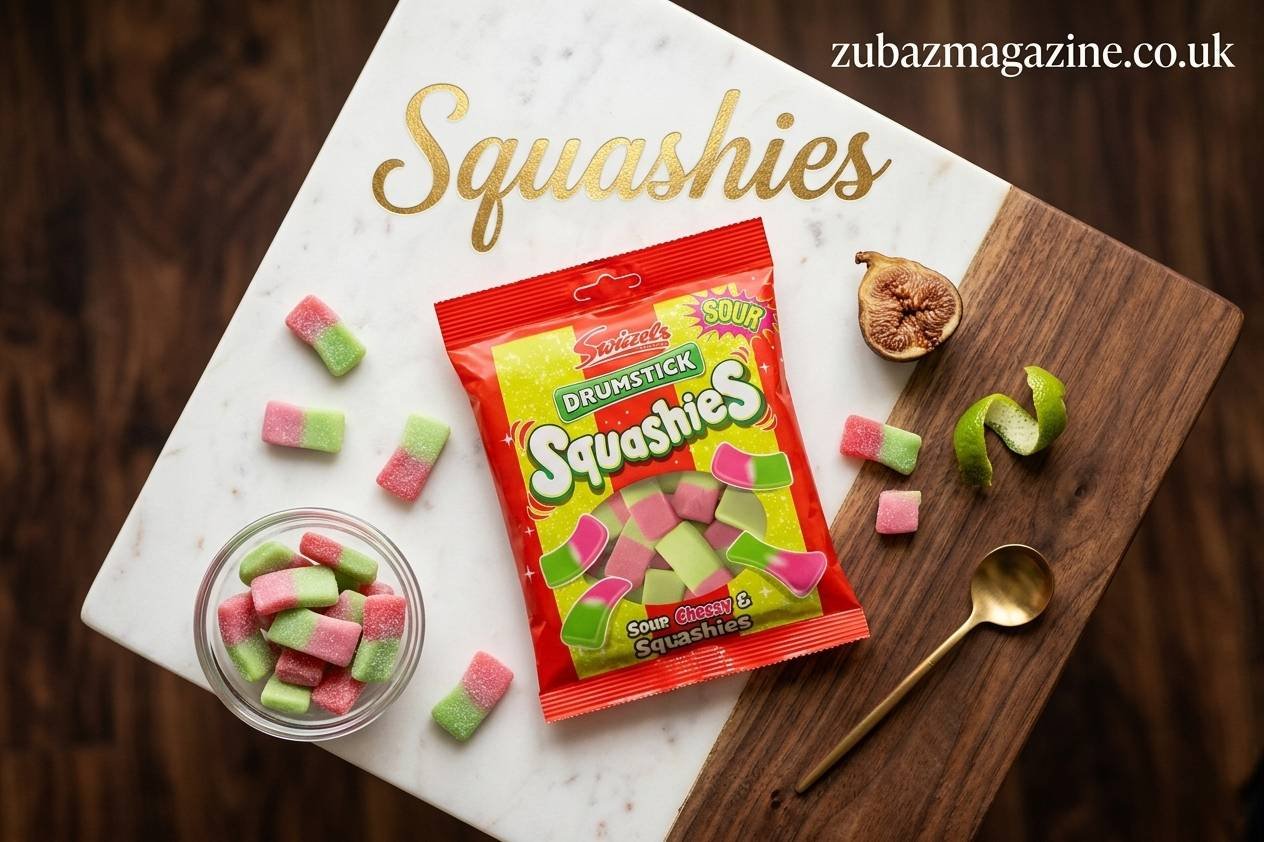
Squashies are soft, foam-like gummy candies known for their pillowy texture and bright, dual-color appearance. Originally inspired by classic sweets, they’ve evolved into a modern treat that combines flavor, fun, and a satisfying chew.
Unlike traditional gummies that can sometimes be tough or overly sticky, Squashies are designed to be light and airy. This makes them easy to eat and enjoyable for a wide range of people, including those who prefer softer confections.
Key Characteristics of Squashies
| Feature | Description |
|---|---|
| Texture | Soft, foamy, and slightly bouncy |
| Shape | Usually cylindrical or rounded |
| Flavor Combination | Often dual-flavored (e.g., raspberry & milk) |
| Appearance | Bright colors with a smooth matte finish |
| Popular Appeal | Loved by both children and adults |
The combination of texture and taste is what truly sets Squashies apart from other candies on the market.
The Story Behind Squashies
From Classic Sweets to Modern Favorites
Squashies didn’t appear out of nowhere. They are inspired by older confectionery traditions, particularly foam-based candies that have existed for decades. However, their modern branding and flavor innovations have turned them into a global sensation.
Originally introduced as a playful twist on traditional sweets, Squashies quickly gained popularity due to their unique identity. Their name itself reflects their soft, squishy nature—something that invites curiosity and fun.
Why They Became So Popular
Several factors contributed to their rise in popularity:
- Their texture is noticeably different from standard candies
- Flavor combinations are both nostalgic and innovative
- They are visually appealing and shareable
- They create a satisfying eating experience
People don’t just eat Squashies—they enjoy them. That distinction plays a huge role in their success.
How Squashies Are Made
The Science of Softness
The magic of Squashies lies in their structure. Unlike dense candies, they incorporate air into the mixture, creating that signature foam-like texture. This process involves carefully balancing sugar, gelatin (or alternatives), and flavoring agents.
The mixture is whipped and aerated before being shaped into its recognizable forms. Once set, the candies maintain their softness while still holding their shape.
Ingredients Breakdown
| Ingredient | Purpose |
|---|---|
| Sugar & Syrup | Sweetness and structure |
| Gelatin or Vegan Alternative | Provides elasticity and chewiness |
| Flavorings | Adds taste (fruit, milk, etc.) |
| Coloring | Creates visual appeal |
| Air Incorporation | Gives the soft, squishy texture |
This careful combination ensures that every bite delivers the same satisfying consistency.
Popular Flavors and Variations
Classic Combinations
One of the most iconic versions of Squashies features a raspberry and milk flavor pairing. The contrast between fruity tang and creamy sweetness creates a balanced taste that appeals to many.
Other common flavors include:
- Strawberry & cream
- Banana & blueberry
- Cherry & vanilla
These combinations are designed to complement each other rather than compete, which enhances the overall experience.
Limited Editions and Creative Twists
Brands frequently release new variations to keep things exciting. These might include tropical flavors, sour versions, or even themed editions tied to seasons or events.
This constant evolution ensures that Squashies remain fresh and relevant, encouraging people to try new options while still enjoying their favorites.
Why People Love Squashies
A Multi-Sensory Experience
Squashies are not just about taste—they engage multiple senses. The softness, the gentle bounce, and the vibrant colors all contribute to their appeal.
When you bite into one, there’s a slight resistance followed by a melt-in-your-mouth sensation. This combination creates a unique eating experience that many find addictive.
Nostalgia Meets Modern Fun
For some, Squashies bring back memories of childhood sweets. For others, they represent a trendy and fun treat to enjoy with friends.
This blend of old and new makes them universally appealing. They manage to feel familiar while still offering something different.
Squashies in Everyday Life
Snacking and Sharing
Squashies are perfect for casual snacking. Their small size and soft texture make them easy to eat on the go. They’re also a popular choice for sharing, whether at parties, movie nights, or social gatherings.
Because they aren’t overly messy or sticky, they’re convenient for both kids and adults.
Creative Uses
Beyond simple snacking, Squashies can be used in creative ways:
- As toppings for desserts like cupcakes or ice cream
- In party decorations or candy buffets
- As playful additions to gift boxes
Their bright colors and fun shapes make them versatile for different occasions.
Nutritional Perspective
What to Know Before Indulging
Like most sweets, Squashies are best enjoyed in moderation. They are primarily made from sugar and flavoring ingredients, so they don’t provide significant nutritional benefits.
However, their lighter texture can make them feel less heavy compared to other candies.
Nutritional Snapshot (Approximate)
| Nutrient | Value per 100g |
|---|---|
| Calories | 330–350 kcal |
| Sugar | 60–70 g |
| Fat | Minimal |
| Protein | Low |
| Fiber | Negligible |
While they’re not a health food, they can still be part of a balanced lifestyle when consumed mindfully.
Comparing Squashies to Other Candies
Texture and Taste Differences
One of the biggest distinctions between Squashies and other sweets is their texture. Traditional gummies tend to be firmer, while marshmallows are softer but less chewy.
Squashies sit perfectly in between, offering a unique balance.
Quick Comparison Table
| Candy Type | Texture | Flavor Intensity | Chewiness |
|---|---|---|---|
| Gummies | Firm | High | Strong |
| Marshmallows | Very soft | Mild | Low |
| Squashies | Soft & airy | Balanced | Medium |
This balance is what makes Squashies stand out in a crowded candy market.
The Cultural Impact of Squashies
A Global Sweet Trend
Squashies have gained popularity far beyond their original market. They’re now enjoyed in many countries, often becoming a staple in candy aisles.
Their universal appeal lies in their simplicity and fun nature. No matter where you’re from, the joy of a soft, flavorful candy is easy to appreciate.
Social Media and Popularity
In recent years, Squashies have become a favorite subject for online content. People enjoy showcasing their favorite flavors, trying new variations, and even incorporating them into creative recipes.
This visibility has helped introduce them to new audiences, further boosting their popularity.
Tips for Enjoying Squashies
Getting the Most Out of Them
To fully enjoy Squashies, consider these simple tips:
- Store them in a cool, dry place to maintain their texture
- Pair different flavors to create your own combinations
- Use them as a fun addition to desserts
Small adjustments can enhance the experience and make each bite more enjoyable.
Sharing the Fun
Squashies are best enjoyed with others. Whether you’re sharing a bag with friends or including them in a celebration, they bring a sense of joy and connection.
Conclusion
Squashies have carved out a unique place in the world of sweets thanks to their soft texture, creative flavors, and universal appeal. They combine the nostalgia of traditional candies with the excitement of modern innovation, making them a favorite for people of all ages.
From their carefully crafted texture to their wide variety of flavors, Squashies offer more than just a sugary treat—they provide an experience that’s fun, satisfying, and memorable. Whether you’re enjoying them as a quick Snack or incorporating them into special occasions, they never fail to deliver a moment of sweetness.
If you haven’t tried Squashies yet, now might be the perfect time to see what the excitement is all about.
Frequently Asked Questions (FAQs)
1. What makes Squashies different from regular gummies?
Squashies are softer and more airy compared to traditional gummies. Their foam-like texture makes them easier to chew and more enjoyable for many people.
2. Are Squashies suitable for all ages?
Yes, Squashies are generally suitable for both children and adults. However, younger children should be supervised while eating any type of candy.
3. Do Squashies come in different flavors?
Absolutely. Squashies are available in a wide range of flavor combinations, including fruity, creamy, and even limited-edition varieties.
4. Can Squashies be used in desserts?
Yes, they can be used as toppings or decorations for desserts like cakes, cupcakes, and ice cream, adding both flavor and visual appeal.
5. How should Squashies be stored?
They should be kept in a cool, dry place away from direct sunlight to maintain their soft texture and freshness.
Introduction
Mafaldine is more than just another type of pasta—it’s a beautifully crafted culinary experience that brings both texture and history to the plate. With its long, flat ribbons and delicately ruffled edges, mafaldine instantly stands out among traditional pasta shapes. Whether you’ve spotted it in an Italian restaurant or wondered how it differs from fettuccine, this pasta has a story and purpose that goes far beyond appearance.
In this guide, you’ll explore everything about mafaldine—from its royal origins and unique design to cooking techniques, pairing ideas, and modern adaptations. By the end, you’ll not only understand what makes mafaldine special but also how to use it confidently in your own kitchen.
What Is Mafaldine Pasta?
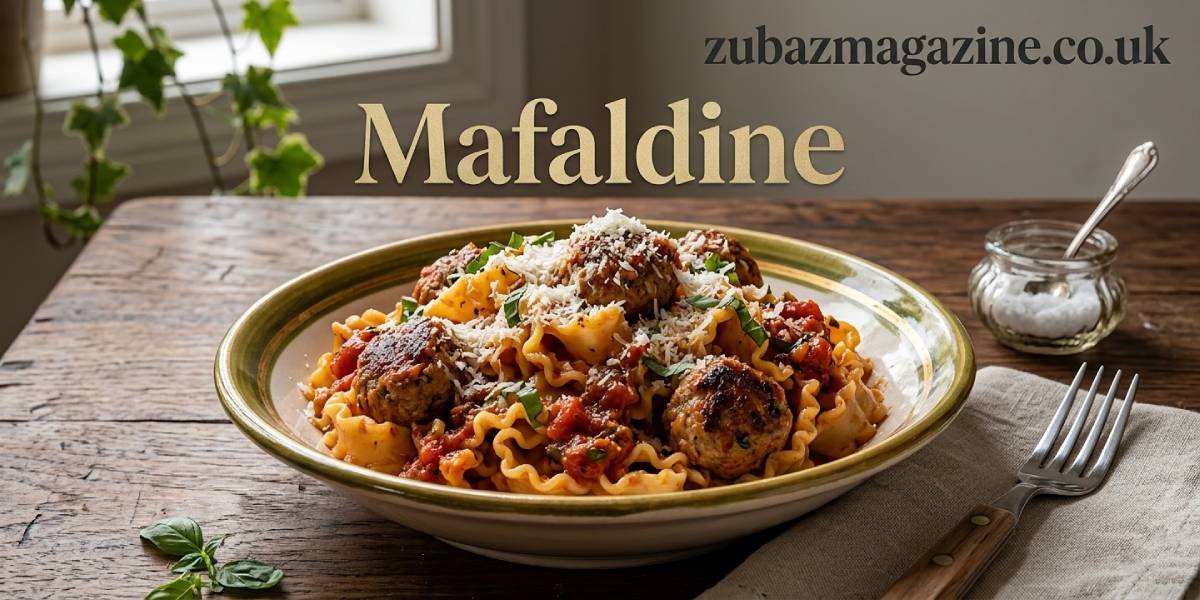
Mafaldine is a long, ribbon-like pasta with distinctive wavy edges on both sides. It resembles fettuccine but adds a decorative twist that enhances both texture and presentation. The ridged edges are not just aesthetic—they help sauces cling better, creating a more flavorful bite.
Traditionally made from durum wheat semolina, Mafaldine has a slightly firm texture that holds up well in a variety of dishes. Its shape allows it to pair beautifully with both creamy and chunky sauces, making it versatile across cuisines.
Key Characteristics of Mafaldine
| Feature | Description |
|---|---|
| Shape | Long, flat ribbons with ruffled edges |
| Texture | Firm and slightly chewy |
| Origin | Italy (named after Princess Mafalda of Savoy) |
| Best For | Creamy sauces, meat-based dishes, baked recipes |
| Alternative Names | Reginette (meaning “little queens”) |
The name itself reflects elegance, and that elegance carries through every dish it touches.
The Royal Origins of Mafaldine
Named After Italian Royalty
Mafaldine owes its name to Princess Mafalda of Savoy, daughter of King Victor Emmanuel III of Italy. The pasta was created to honor her, symbolizing nobility and refinement. Because of this connection, mafaldine is also known as reginette, which translates to “little queens.”
This royal inspiration isn’t just symbolic—it’s reflected in the pasta’s decorative edges, resembling the delicate trim of royal garments.
Cultural Significance in Italy
In Italian cuisine, pasta shapes are deeply tied to tradition and storytelling. Mafaldine represents a blend of artistry and practicality. Its design reflects a cultural appreciation for beauty in everyday life, especially in food.
Even today, mafaldine is often served during special occasions or in dishes meant to impress guests, reinforcing its association with elegance and celebration.
Mafaldine vs Other Ribbon Pastas
It’s easy to confuse Mafaldine with other long pasta types, but its unique structure sets it apart. Let’s look at how it compares to similar varieties.
Comparison Table: Mafaldine and Similar Pastas
| Pasta Type | Edge Style | Thickness | Best Sauce Types |
|---|---|---|---|
| Mafaldine | Wavy edges | Medium | Creamy, chunky, rich |
| Fettuccine | Smooth edges | Medium | Creamy sauces |
| Tagliatelle | Smooth edges | Slightly thinner | Meat-based sauces |
| Pappardelle | Smooth, wide | Thick | Heavy ragù sauces |
What Makes Mafaldine Unique?
The ruffled edges of mafaldine create more surface area, allowing sauces to cling more effectively. This means each bite delivers a richer, more balanced flavor compared to smoother pasta types.
It’s like the difference between a plain ribbon and one with textured folds—the latter simply holds more detail and depth.
How Mafaldine Is Made
Traditional Preparation
Authentic mafaldine is made using durum wheat semolina and water, though egg-based versions also exist. The dough is rolled thin and cut into long strips, with specialized tools used to create the signature wavy edges.
This process requires precision, as the ruffles must be consistent along the entire length.
Modern Production Techniques
In commercial production, machines replicate the traditional method using dies that shape the pasta. Despite automation, high-quality mafaldine still maintains its firm texture and detailed edges.
Artisan producers often dry the pasta slowly to preserve flavor and structure, resulting in a superior product.
Cooking Mafaldine Perfectly
Cooking mafaldine isn’t complicated, but a few small details can make a big difference.
Step-by-Step Cooking Tips
- Use plenty of salted boiling water
- Stir occasionally to prevent sticking
- Cook until al dente (firm to the bite)
- Reserve a bit of pasta water for sauce blending
The wavy edges can sometimes cause the pasta to clump, so gentle stirring is key during the first few minutes.
Ideal Cooking Time
| Type of Mafaldine | Cooking Time |
|---|---|
| Fresh | 3–5 minutes |
| Dried | 8–12 minutes |
Cooking it correctly ensures the pasta retains its structure and doesn’t become too soft, which would diminish its signature texture.
Best Sauces for Mafaldine
Cream-Based Sauces
Mafaldine pairs beautifully with creamy sauces like Alfredo or mushroom cream. The ridges trap the sauce, making every bite rich and satisfying.
Meat and Ragù Sauces
Hearty meat sauces, such as beef ragù or lamb stew, complement mafaldine’s structure. The pasta holds up well under the weight of these dense, flavorful combinations.
Vegetable and Light Sauces
For a lighter option, try mafaldine with roasted vegetables, olive oil, and herbs. The pasta’s texture adds depth even to simple dishes.
Popular Mafaldine Recipes
Classic Mafaldine Alfredo
A timeless dish combining butter, cream, and Parmesan cheese. The sauce coats the pasta evenly, creating a smooth, indulgent experience.
Mafaldine with Mushroom Truffle Sauce
Earthy mushrooms and a hint of truffle elevate mafaldine into a gourmet dish. This combination highlights the pasta’s ability to carry complex flavors.
Baked Mafaldine Casserole
Layered with cheese, tomato sauce, and vegetables, baked mafaldine offers a comforting twist. The edges crisp slightly, adding a delightful texture contrast.
Nutritional Value of Mafaldine
Mafaldine provides essential nutrients while serving as a satisfying base for meals.
Nutritional Breakdown (Per 100g Cooked)
| Nutrient | Amount |
|---|---|
| Calories | ~150 |
| Carbohydrates | ~30g |
| Protein | ~5g |
| Fat | ~1g |
| Fiber | ~2g |
While it’s primarily a carbohydrate source, pairing it with proteins and vegetables creates a balanced meal.
Mafaldine in Modern Cuisine
Fusion Dishes
Chefs around the world are using mafaldine in creative ways, blending it with non-Italian flavors. Think spicy Asian-inspired sauces or Mediterranean herb blends.
Restaurant Presentation
Because of its decorative edges, mafaldine is often chosen for visually appealing dishes. It adds elegance to plating, making it popular in fine dining settings.
Home Cooking Trends
Home cooks are increasingly exploring unique pasta shapes, and mafaldine is gaining attention for its versatility and visual appeal.
Tips for Storing and Buying Mafaldine
Choosing Quality Mafaldine
Look for pasta with a slightly rough texture, as it holds sauce better. High-quality versions often have a pale golden color and a firm feel.
Storage Guidelines
- Keep dried mafaldine in a cool, dry place
- Store fresh mafaldine in the refrigerator
- Use airtight containers to maintain freshness
Proper storage ensures the Pasta retains its texture and flavor over time.
Conclusion
Mafaldine is a perfect blend of beauty, history, and functionality. From its royal origins to its modern culinary uses, this pasta offers more than just a meal—it delivers an experience. Its unique shape enhances both flavor and presentation, making it a favorite among chefs and home cooks alike.
By understanding how to cook, pair, and serve mafaldine, you can elevate everyday dishes into something memorable. Whether you’re preparing a creamy classic or experimenting with new flavors, mafaldine provides a versatile and elegant foundation.
Frequently Asked Questions (FAQs)
1. What makes mafaldine different from fettuccine?
Mafaldine has ruffled edges, while fettuccine is smooth. These edges help sauces cling better, giving mafaldine a richer texture and flavor.
2. Is mafaldine suitable for all types of sauces?
Yes, but it works best with creamy or chunky sauces that can fill its ridges and enhance its texture.
3. Can mafaldine be used in baked dishes?
Absolutely. Its sturdy structure holds up well during baking, making it ideal for casseroles and layered recipes.
4. Is mafaldine available in gluten-free options?
Yes, some brands offer gluten-free versions made from alternative flours like rice or corn.
5. How should mafaldine be served for best results?
Serve it immediately after cooking, tossed with sauce and a bit of reserved pasta water for a smooth, cohesive dish.
Introduction
Few culinary techniques transform a simple dish into something irresistible quite like gratinieren. The moment when cheese melts into a bubbling layer and turns golden brown under heat is a sensory experience that excites cooks and diners alike. The word may sound sophisticated, but the concept behind it is surprisingly approachable. Whether you’re preparing vegetables, pasta, seafood, or potatoes, this technique adds texture, flavor, and visual appeal to countless meals.
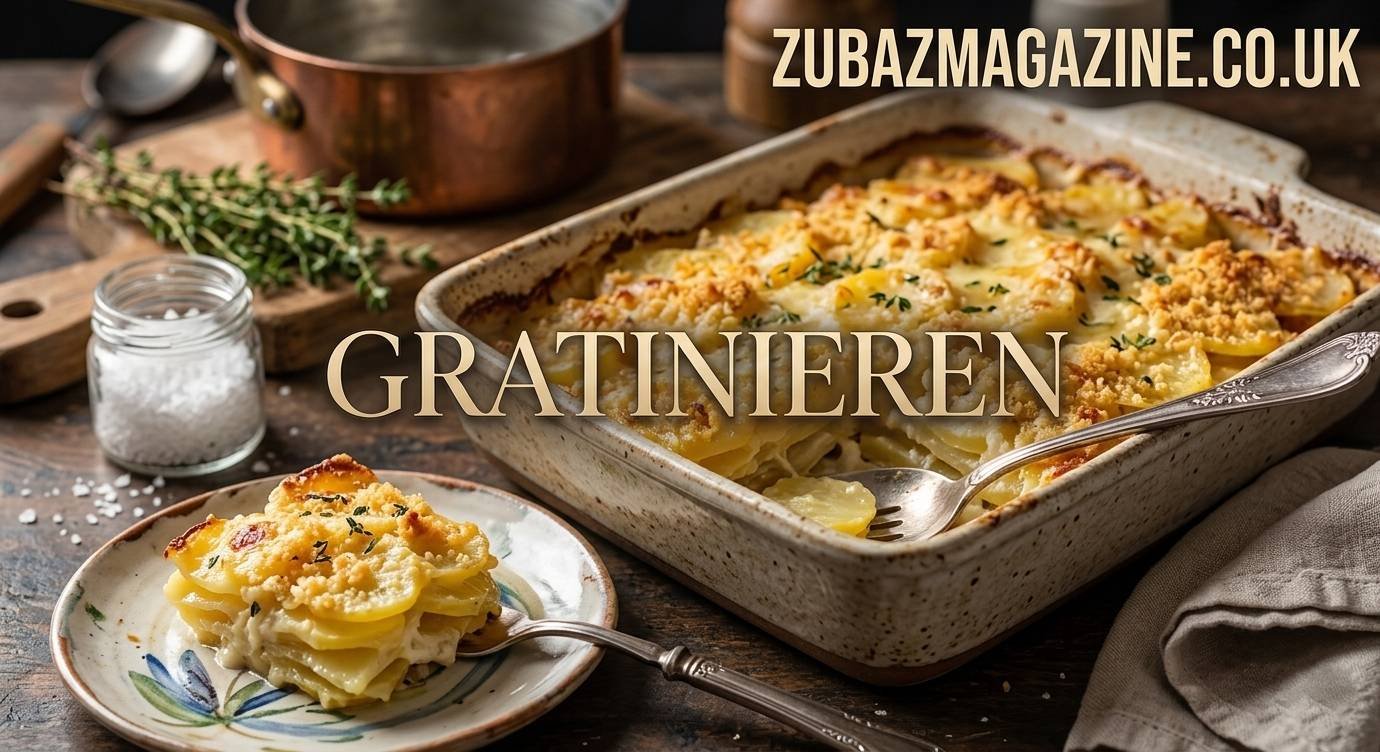
At its core, gratinieren refers to finishing a dish under intense heat to create a crispy, browned surface—often using cheese, breadcrumbs, butter, or cream. This process produces the familiar crust seen in classic dishes like gratins, baked casseroles, and many French-inspired recipes. The magic happens when heat triggers browning reactions that enhance aroma and taste.
This guide explores the origins, techniques, ingredients, and culinary possibilities of gratinieren. Along the way, you’ll discover how this cooking method works, why chefs love it, and how home cooks can easily master it. From traditional recipes to modern variations, understanding gratinieren opens the door to richer flavors and beautifully finished dishes.
What Does Gratinieren Mean in Cooking?
The term gratinieren originates from the French culinary tradition, where dishes finished with a browned crust are known as “gratin.” The German verb refers specifically to the act of browning the top layer of food in an oven or under a grill. The goal is to create a crisp surface while keeping the interior soft and flavorful.
This method relies on high heat applied from above, typically using a broiler or top heating element. As the ingredients heat, fats melt and sugars react, producing that signature golden layer. The result is both textural contrast and enhanced flavor.
In many cuisines, this technique has become synonymous with comfort food. A creamy casserole topped with cheese or a baked vegetable dish finished with breadcrumbs both demonstrate how Gratinieren elevates everyday ingredients into something special.
Informational Snapshot of the Technique
| Aspect | Details |
|---|---|
| Culinary Term | Gratinieren |
| Origin | French cooking tradition |
| Cooking Method | High heat from above |
| Purpose | Create a crispy, browned top layer |
| Common Ingredients | Cheese, breadcrumbs, butter, cream |
| Typical Dishes | Gratins, casseroles, baked vegetables |
Understanding this technique gives cooks a powerful tool for improving presentation and flavor simultaneously.
The Culinary Science Behind Gratinieren
Cooking techniques often feel like art, but science plays a crucial role behind the scenes. The appealing crust created during gratinieren happens due to chemical reactions that occur when ingredients are exposed to intense heat.
Two main reactions contribute to the process: caramelization and the Maillard reaction. Caramelization occurs when sugars break down and develop a rich, sweet flavor. The Maillard reaction happens when proteins and sugars interact at high temperatures, producing complex aromas and the familiar golden-brown color.
These reactions work together to create depth in both flavor and texture. A creamy potato dish, for example, becomes more aromatic once its cheese topping browns. Without the finishing step of gratinieren, the same dish might taste softer and less layered.
Heat distribution also matters. Too little heat prevents browning, while excessive heat can burn the surface before the interior warms properly. Skilled cooks balance these factors to achieve the perfect crust.
Essential Ingredients Used in Gratinieren
Although the method focuses on heat, ingredients play a major role in the final outcome. Certain foods brown better and create more appealing textures when exposed to high temperatures.
Cheese as the Classic Topping
Cheese remains the most recognizable element in many gratin dishes. When heated, cheese melts, releases fat, and forms a flavorful crust. Hard cheeses like Gruyère, Parmesan, and Emmental are especially popular because they brown beautifully.
These cheeses contribute both saltiness and depth, enhancing the entire dish beneath the surface. The choice of cheese can dramatically change flavor profiles, from mild creaminess to nutty richness.
Breadcrumbs for Crisp Texture
Breadcrumbs are another traditional topping. They absorb butter or oil and toast quickly, forming a crunchy layer that contrasts with softer ingredients below. This approach works well for vegetable gratins or baked pasta dishes.
Breadcrumb toppings often combine herbs or garlic for additional aroma, making them a versatile option for many recipes.
Cream and Butter for Richness
Cream-based sauces are common in dishes prepared for gratinieren. The fat content helps prevent dryness and creates a smooth, velvety base beneath the crust.
Butter also plays a role by enhancing browning and providing a luxurious mouthfeel. When melted across the surface, it encourages even coloring during the final heating stage.
Common Foods Prepared Using Gratinieren
This cooking technique works with a wide range of ingredients. Its flexibility allows chefs and home cooks to experiment across different cuisines and meal styles.
Vegetables
Vegetables benefit greatly from gratin-style preparation. Root vegetables like potatoes, carrots, and parsnips soften during baking while their toppings crisp beautifully. Broccoli, cauliflower, and zucchini also respond well to the method.
Vegetable gratins often transform simple produce into hearty main dishes or satisfying side plates.
Pasta and Rice
Pasta casseroles frequently use this finishing technique. Macaroni dishes topped with cheese and baked until golden are classic examples. Rice-based casseroles can also develop flavorful crusts through gratinieren.
The crust adds visual appeal while helping trap heat and moisture within the dish.
Seafood
Seafood gratins highlight delicate ingredients like shrimp, scallops, or fish. A light topping of breadcrumbs or cheese enhances flavor without overpowering the natural taste of seafood.
This preparation is especially popular in coastal European cuisines, where fresh seafood meets creamy sauces and crispy toppings.
Popular Dishes That Use Gratinieren
Many well-known dishes rely on this technique to achieve their signature look and flavor. These recipes showcase how versatile the method can be across ingredients and cooking traditions.
| Dish Name | Main Ingredients | Distinctive Feature |
|---|---|---|
| Potato Gratin | Potatoes, cream, cheese | Creamy layers with crispy top |
| Cauliflower Gratin | Cauliflower, cheese sauce | Rich vegetable casserole |
| Macaroni Gratin | Pasta, cheese | Comfort food classic |
| Seafood Gratin | Shrimp or fish, cream | Delicate seafood flavor |
| Vegetable Bake | Mixed vegetables | Balanced textures |
Each of these dishes uses heat from above to produce the final crust that defines the experience.
Step-by-Step Method for Perfect Gratinieren
Although the concept seems simple, mastering the technique requires attention to detail. Following a structured approach helps achieve consistent results.
- Prepare the base dish. This may include cooked vegetables, pasta, seafood, or grains mixed with sauce or seasoning.
- Add the topping. Spread cheese, breadcrumbs, or a combination evenly across the surface.
- Use high top heat. Place the dish under a broiler or top heating element.
- Watch carefully. Browning happens quickly, so constant observation prevents burning.
- Remove when golden. The ideal crust should appear evenly browned and slightly crisp.
The final result should combine a creamy interior with a flavorful crust.
Tools and Equipment for Successful Results
The right tools can make the process smoother and more reliable. Certain kitchen equipment helps control heat and produce consistent browning.
| Tool | Purpose |
|---|---|
| Oven with grill function | Provides high top heat |
| Ceramic baking dish | Even heat distribution |
| Cast iron pan | Retains heat for crisp surface |
| Oven thermometer | Ensures accurate temperature |
| Heatproof spatula | Serves gratin without breaking crust |
Using appropriate cookware allows the topping to brown evenly while the interior cooks gently.
Tips for Achieving the Perfect Golden Crust
Even experienced cooks occasionally struggle with uneven browning. A few practical strategies can dramatically improve results.
First, avoid overcrowding toppings. A thick layer of cheese can melt unevenly and prevent proper browning. Instead, distribute ingredients in a thin, even layer.
Second, position the dish correctly in the oven. Placing it too far from the heat source reduces browning, while placing it too close may burn the top.
Finally, patience matters. Allow the crust to develop gradually rather than increasing heat excessively. Slow, controlled browning produces better flavor.
Modern Variations and Creative Uses
Contemporary cooking has expanded the concept of gratinieren beyond traditional recipes. Chefs now experiment with global ingredients and innovative combinations.
Plant-based cooking, for example, uses nut-based cheeses or seasoned breadcrumbs to achieve a similar crust. This allows vegan dishes to benefit from the technique without dairy.
Fusion cuisine also introduces unexpected pairings. Sweet potato gratins with spices, seafood gratins with herbs, or even dessert-style baked dishes demonstrate the adaptability of the method.
Some modern chefs apply gratinieren to individual portions served in small dishes, creating elegant presentations with perfectly crisp tops.
Cultural Influence and Culinary Heritage
The tradition of finishing dishes with a golden crust reflects centuries of culinary evolution. European kitchens popularized the technique during the development of oven-based cooking.
In French cuisine, gratins became symbols of rustic comfort food. Families baked layered vegetables and cream together, finishing them with browned cheese for extra richness.
German and Austrian cooking later adopted the technique, using it in hearty baked dishes suited to colder climates. Over time, the method spread globally and became a staple in many kitchens.
Today, gratinieren represents both heritage and creativity. It connects traditional recipes with modern culinary experimentation.
Conclusion
The technique of gratinieren stands as one of the most satisfying finishing touches in cooking. By applying high heat to create a golden crust, it transforms ordinary dishes into flavorful, visually appealing meals. Whether used on vegetables, pasta, seafood, or casseroles, the method adds texture, depth, and warmth.
Understanding the science behind browning reactions, selecting appropriate ingredients, and controlling heat are the keys to success. With a little practice, any home cook can achieve that irresistible crisp surface while preserving the tenderness beneath.
Ultimately, gratinieren represents more than a Cooking method—it’s a celebration of flavor and texture. Mastering it allows cooks to elevate simple ingredients and turn everyday meals into memorable dining experiences.
Frequently Asked Questions (FAQs)
1. What does gratinieren mean in cooking?
Gratinieren refers to finishing a dish under strong top heat to create a browned, crispy surface. It usually involves toppings like cheese, breadcrumbs, or butter.
2. Which foods work best with this technique?
Vegetables, pasta, potatoes, seafood, and casseroles all respond well. The method enhances flavor and adds a crunchy texture to the top layer.
3. Do you always need cheese to gratinieren a dish?
No. Breadcrumbs, butter, or even cream-based sauces can create a crisp surface. Cheese is popular but not required.
4. What oven setting is used for gratinieren?
Most ovens use a grill or broiler function that provides intense heat from above. This helps brown the topping quickly.
5. How do you prevent burning while gratinieren?
Keep the dish close to the heat source but monitor it carefully. Browning happens quickly, so removing the dish at the right moment is important.
-
 Celebrity2 months ago
Tony Hinchcliffe Wife: Marriage, Privacy, and the Truth Behind the Curiosity
-

 Technology4 weeks ago
Fappelo: Understanding the Platform, Its Features, and Online Impact
-
 Technology2 months ago
Kracensoft.com: Exploring a Modern Hub for Digital Solutions
-
 Fashion & Lifestyle2 months ago
Succulent Meaning: Definition, Symbolism, and Uses Explained
-

 Technology4 weeks ago
Telemetryczny Systems: How Telemetry Technology Is Transforming Modern Data Monitoring
-

 SPORTS4 weeks ago
Cwtennis: The Modern Tennis Training System Changing the Game
-

 Fashion & Lifestyle4 weeks ago
Esclava Bracelet: History, Meaning, and Modern Style Guide
-
 Technology2 months ago
Etepmail: A Modern Approach to Secure Digital Communication