
Introduction
Koriandri is a word that feels earthy, human, and layered, even before its meaning is fully understood. At first glance, it may seem like a variation of something familiar, yet koriandri carries its own identity—shaped by language, culture, usage, and interpretation. It represents more than a single object or idea. Instead, koriandri sits at the intersection of tradition, everyday life, symbolism, and evolving meaning.
In this in-depth guide, you’ll explore what koriandri truly represents, where it comes from, how it’s used across different contexts, and why it continues to matter today. Whether your interest is cultural, practical, commercial, or simply curious, this article will give you a complete and grounded understanding of koriandri and its broader relevance.
Understanding Koriandri at a Foundational Level
Koriandri is best understood as a contextual term rather than a rigid definition. In many regions and languages, koriandri is associated with coriander—yet its meaning extends beyond the herb itself. It often reflects how people relate to flavor, health, tradition, and even identity.
Unlike standardized terms, Koriandri adapts to local usage. In some contexts, it refers to a culinary ingredient. In others, it implies a preparation style, a cultural habit, or a symbolic reference to freshness and balance. This flexibility is what gives koriandri its enduring presence.
Informational Snapshot of Koriandri
| Aspect | Description |
|---|---|
| Core association | Coriander and its derivatives |
| Cultural role | Culinary, traditional, symbolic |
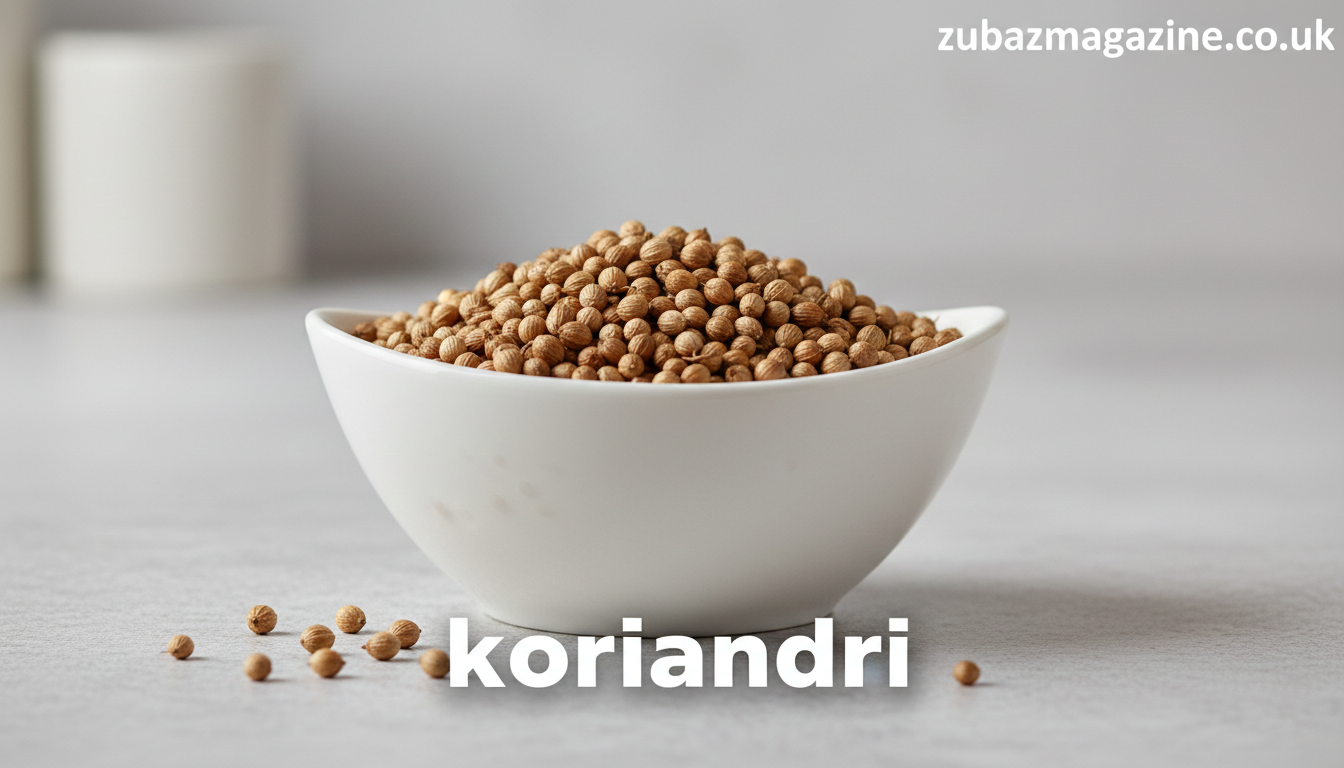
| Form | Fresh leaves, seeds, processed uses |
| Nature | Practical yet culturally expressive |
This layered identity allows koriandri to move easily between kitchens, conversations, and cultural memory.
Historical and Linguistic Roots of Koriandri
The word koriandri reflects linguistic evolution shaped by geography and daily use. While coriander has ancient roots across Asia, the Middle East, and the Mediterranean, koriandri emerged as a localized expression—one that feels more intimate and familiar.
Historically, such variations arise when communities adapt borrowed terms into their own phonetic and cultural rhythms. Koriandri became a word that people didn’t just use, but lived with. It appeared in recipes passed down verbally, in market conversations, and in home remedies.
This evolution shows how language grows organically. Koriandri didn’t need formal recognition to become meaningful. Its value came from use, repetition, and shared understanding.
Koriandri in Culinary Traditions
Food is where koriandri feels most at home. Across many cuisines, it represents freshness, brightness, and balance. Whether sprinkled raw, blended into sauces, or infused into dishes, koriandri plays a quiet but powerful role.
What makes koriandri special in cooking is its dual nature. The leaves and seeds offer entirely different flavor profiles, yet both are connected under the same cultural umbrella. This versatility allows koriandri to move seamlessly between light and heavy dishes.
Culinary Roles of Koriandri
| Use | Contribution |
|---|---|
| Fresh garnish | Adds aroma and freshness |
| Spice base | Provides warmth and depth |
| Blended sauces | Balances acidity and heat |
In many households, koriandri isn’t optional. It’s a finishing touch that completes a dish emotionally as much as it does flavor-wise.
Cultural Significance Beyond the Kitchen
Koriandri often carries symbolic meaning that extends far beyond food. In some cultures, it represents cleanliness, renewal, or balance. Offering a dish rich in koriandri can signal care, hospitality, and attention to detail.
In traditional settings, Koriandri may appear during seasonal transitions or special gatherings. Its presence subtly communicates harmony with nature and respect for inherited practices. These associations aren’t written down; they’re felt.
An anecdote illustrates this well. In many families, elders can tell whether a dish was prepared with care simply by the way koriandri is used—not too much, not too little. The balance becomes a quiet measure of intention.
Koriandri and Wellness Perspectives
Beyond taste and tradition, koriandri has long been connected to wellness beliefs. Many communities associate it with cooling properties, digestion support, and internal balance. While interpretations vary, the trust placed in koriandri is consistent.
These beliefs often come from observation rather than formal study. Over generations, people noticed how koriandri made meals feel lighter or easier to digest. As a result, it became part of everyday routines rather than special remedies.
Traditional Wellness Associations
| Belief Area | Common View |
|---|---|
| Digestion | Supports comfort after meals |
| Balance | Considered calming or cooling |
| Daily use | Safe for regular consumption |
This practical trust is why koriandri remains common in home kitchens rather than reserved for rare occasions.
Koriandri in Modern Lifestyles
As lifestyles evolve, koriandri continues to adapt. It appears in modern recipes, packaged foods, and global cuisine experiments. Chefs and home cooks alike reinterpret koriandri in new ways without losing its essence.
In urban environments, koriandri represents a connection to roots. Even when dishes become fusion-based or experimental, koriandri grounds them in familiarity. Its aroma alone can trigger memories of home-cooked meals and shared spaces.
This adaptability keeps koriandri relevant. It doesn’t resist change; it absorbs it.
Commercial and Market Presence of Koriandri
From local markets to global supply chains, koriandri holds commercial value. Fresh bunches, dried seeds, powders, and extracts all circulate widely. Yet despite commercialization, koriandri often retains its humble image.
This balance between scale and simplicity is rare. Koriandri sells well because it feels essential, not luxurious. People buy it out of need, habit, and trust rather than impulse.
Forms of Koriandri in Trade
| Form | Common Use |
|---|---|
| Fresh leaves | Daily cooking |
| Dried seeds | Spice blends |
| Ground powder | Convenience and storage |
Its steady demand makes koriandri a quiet constant in food economies.
Emotional and Sensory Connection to Koriandri
Smell and taste are deeply tied to memory. For many, koriandri instantly evokes specific places, people, or moments. This emotional layer is often overlooked, yet it explains why opinions about koriandri can be strong.
Some people love it intensely. Others struggle with its flavor. These reactions are personal and often tied to early experiences. Koriandri, in this sense, becomes a sensory marker of identity.
This emotional charge gives koriandri power beyond its physical form. It becomes part of how people describe comfort, nostalgia, or even belonging.
Misconceptions and Clarifications About Koriandri
One common misconception is that koriandri is interchangeable with similar herbs in all contexts. While substitutions are possible, they rarely replicate the same balance. Koriandri has a distinct profile that can’t always be replaced without altering a dish’s character.
Another misunderstanding is that koriandri’s importance is exaggerated. In reality, its impact lies in subtlety. It doesn’t dominate; it harmonizes. That restraint is exactly why it matters.
Understanding koriandri means appreciating nuance rather than intensity.
The Ongoing Relevance of Koriandri
Koriandri continues to thrive because it adapts without losing meaning. It bridges generations, cultures, and lifestyles effortlessly. As people seek authenticity and connection in everyday choices, koriandri remains relevant.
Its story reminds us that significance doesn’t require complexity. Sometimes, the most enduring elements of life are simple, familiar, and quietly powerful.
Conclusion
Koriandri is far more than a word or an Ingredient. It’s a cultural thread woven through food, tradition, wellness, and memory. From its linguistic roots to its modern applications, koriandri demonstrates how everyday elements can carry deep meaning.
By understanding koriandri, you gain insight into how cultures preserve identity through routine, flavor, and shared experience. Whether you use it daily or notice it occasionally, koriandri invites you to slow down and appreciate balance.
The next time koriandri appears on your plate or in conversation, recognize it for what it truly is—a small but meaningful symbol of continuity and care.
Frequently Asked Questions (FAQs)
What does koriandri mean?
Koriandri commonly refers to coriander, especially in localized or cultural usage. It often carries culinary and traditional significance.
Is koriandri the same as coriander?
They’re closely related, but koriandri reflects regional language and cultural context rather than just the standard name.
How is koriandri commonly used?
Koriandri is widely used in cooking, both fresh and dried, and is valued for its aroma, balance, and familiarity.
Does koriandri have cultural importance?
Yes, in many cultures koriandri symbolizes freshness, care, and tradition, especially in home-cooked meals.
Why do people react differently to koriandri?
Taste perception varies widely. Personal experience, memory, and biology all influence how koriandri is experienced.