
Health
Gastroshiza: Causes, Diagnosis, and Modern Treatment
Learn about gastroshiza, its causes, diagnosis, treatment options, survival rates, and long-term outcomes in this comprehensive medical guide.

Introduction
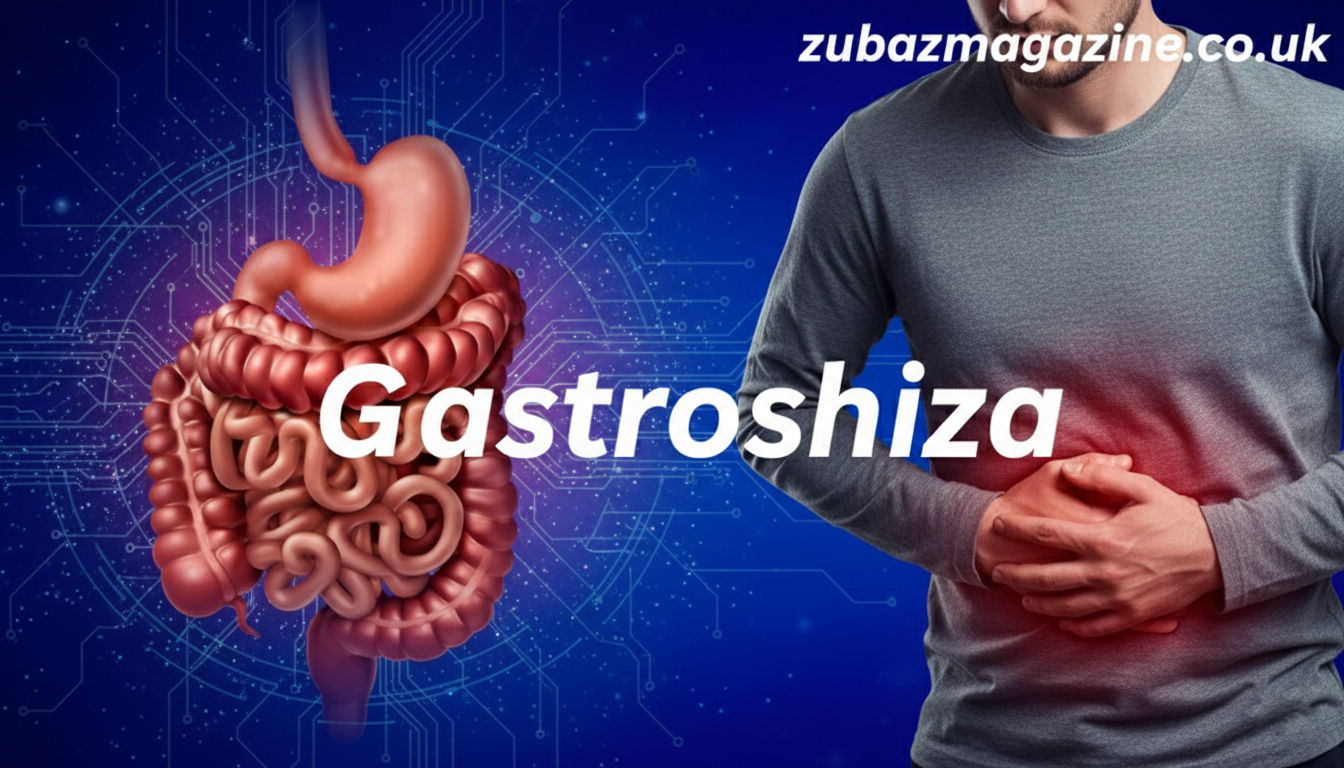
Few diagnoses shake expecting parents as deeply as gastroshiza. The word may sound unfamiliar at first, yet it represents a very real congenital condition that affects newborns around the world. Gastroshiza, commonly known in medical literature as gastroschisis, is a birth defect in which a baby is born with the intestines protruding outside the abdominal wall through a small opening, usually near the belly button. It can be alarming to hear, but modern medicine has made tremendous progress in treating it successfully.
This article explores everything you need to know about gastroshiza—from what causes it and how it’s diagnosed to the latest treatment options and long-term outcomes. You’ll also learn how families cope, what recovery looks like, and why early detection makes such a powerful difference. Whether you’re a parent, student, healthcare professional, or simply seeking information, this guide provides clear, comprehensive, and practical insights.
What Is Gastroshiza?
Gastroshiza is a congenital abdominal wall defect. During fetal development, the baby’s abdominal wall fails to close completely. As a result, the intestines—and occasionally other organs—develop outside the body in the amniotic fluid.
Unlike some other abdominal defects, Gastroshiza does not involve a protective membrane covering the exposed organs. This makes careful medical management critical after birth. The opening is typically small, often just a few centimeters wide, but the impact can be significant.
Although the condition appears dramatic, survival rates today exceed 90% in developed healthcare systems. That’s a remarkable improvement compared to decades ago.
Key Facts About Gastroshiza
| Feature | Details |
|---|---|
| Medical Term | Gastroschisis |
| Type | Congenital abdominal wall defect |
| Typical Location | Right side of the belly button |
| Membrane Covering | None (organs exposed) |
| Survival Rate | Over 90% with proper care |
| Commonly Affected Organs | Small intestine, sometimes stomach |
How Gastroshiza Develops During Pregnancy
Fetal Development and Abdominal Closure
In early pregnancy, the fetus naturally forms with intestines temporarily outside the abdomen. Around the 10th week of gestation, those organs normally return inside as the abdominal wall closes.
In Gastroshiza, that closure process is incomplete. A small defect remains, allowing the intestines to protrude. Researchers believe blood flow interruption during development may play a role, though the exact cause isn’t fully understood.
Possible Risk Factors
While no single cause explains gastroshiza, certain patterns have emerged in medical studies. Younger maternal age—especially mothers under 20—appears associated with higher rates. Smoking, certain medications, and environmental factors may also contribute.
However, many cases occur without any clear risk factor. That unpredictability can be frustrating for families, but it’s important to understand that nothing most parents did “caused” the condition.
Gastroshiza vs. Omphalocele: Understanding the Difference
Gastroshiza is sometimes confused with omphalocele, another abdominal wall defect. Though similar at first glance, they differ significantly.
| Feature | Gastroshiza | Omphalocele |
|---|---|---|
| Membrane Covering | No | Yes |
| Location | Right of belly button | Center (at umbilical cord) |
| Associated Genetic Conditions | Rare | Common |
| Chromosomal Abnormalities | Uncommon | More frequent |
| Treatment Approach | Immediate surgery | Surgery + genetic evaluation |
Understanding this difference matters because prognosis and management vary. Gastroshiza typically has fewer associated genetic abnormalities compared to omphalocele.
How Gastroshiza Is Diagnosed
Prenatal Detection
Most cases of gastroshiza are diagnosed during routine prenatal ultrasound. The exposed intestines are visible outside the baby’s abdomen, floating freely in the amniotic fluid.
In addition to imaging, elevated maternal serum alpha-fetoprotein (AFP) levels may signal an abdominal wall defect. When detected early, doctors can monitor the pregnancy closely and prepare for specialized delivery care.
At Birth
If not diagnosed before delivery, gastroshiza is immediately visible at birth. The exposed organs require urgent protection and stabilization. Neonatal teams quickly cover the intestines with sterile materials to prevent infection and fluid loss.
Early diagnosis significantly improves preparedness and outcomes.
Treatment Options for Gastroshiza
Immediate Post-Birth Care
Treatment begins within minutes of birth. The baby is placed under warming lights, and the exposed intestines are covered with sterile saline dressings or a protective silo bag.
A silo is a soft, transparent pouch placed over the exposed organs. It allows gravity to gently guide the intestines back into the abdomen over several days.
Surgical Repair
Surgical repair depends on the baby’s condition and abdominal capacity.
There are two primary approaches:
- Primary closure: Surgeons place the intestines back and close the abdominal wall in one operation.
- Staged closure: If swelling prevents immediate closure, surgeons use a silo and gradually reduce the organs before final repair.
Most babies spend weeks in the neonatal intensive care unit (NICU) recovering.
Recovery and Long-Term Outcomes
Feeding and Digestive Challenges
Babies with gastroshiza often experience delayed feeding because their intestines may be irritated or underdeveloped. Some require intravenous nutrition (total parenteral nutrition, or TPN) for weeks.
Gradually, breast milk or formula is introduced once bowel function improves. Patience is essential. Each baby progresses at their own pace.
Long-Term Health
The majority of children grow up healthy. However, some may face:
- Mild digestive issues
- Slower weight gain early on
- Rare bowel obstruction later in life
Follow-up care ensures any complications are caught early.
Emotional Impact on Families
A diagnosis of gastroshiza can feel overwhelming. Parents often experience shock, anxiety, and uncertainty. Yet many families also describe remarkable resilience and gratitude after successful treatment.
Support groups and counseling services can help parents navigate emotional challenges. Connecting with others who’ve walked the same path makes a powerful difference.
Consider the story of a young mother whose baby was diagnosed at 20 weeks. With careful monitoring, a planned hospital delivery, and surgical repair, her child was home within six weeks. Today, that once-fragile newborn is a thriving school-aged child. Stories like these remind families that hope is real.
Advances in Medical Care for Gastroshiza
Improved Neonatal Intensive Care
Modern NICUs are equipped with advanced monitoring systems, infection control protocols, and nutritional support strategies. These innovations have dramatically improved survival rates.
Decades ago, survival was uncertain. Today, outcomes are overwhelmingly positive in regions with access to specialized care.
Surgical Innovations
Minimally invasive techniques, better anesthesia management, and improved post-operative care have reduced complications.
Research is ongoing to better understand intestinal inflammation caused by amniotic fluid exposure. Future treatments may reduce recovery time even further.
Prevention: Is It Possible?
Currently, there is no guaranteed way to prevent gastroshiza. However, maintaining healthy prenatal habits may lower general birth defect risks.
Healthy pregnancy recommendations include:
- Avoiding smoking and substance use
- Taking prenatal vitamins with folic acid
- Receiving regular prenatal care
Even with ideal health practices, some cases still occur. Prevention remains an area of ongoing research.
Global Perspective on Gastroshiza
The survival rate for gastroshiza varies worldwide. In high-income countries, it exceeds 90%. In low-resource settings, limited surgical access and infection control can reduce survival rates significantly.
| Region | Approximate Survival Rate |
|---|---|
| High-income countries | 90–95% |
| Middle-income countries | 70–85% |
| Low-income countries | 30–60% |
Access to trained pediatric surgeons and NICU facilities plays a major role in outcomes. International health initiatives aim to close this gap.
Living Beyond the Diagnosis
For many families, gastroshiza becomes part of their child’s birth story rather than a lifelong limitation. After surgery and recovery, most children attend school, play sports, and live active lives.
Scar appearance may fade over time, and digestive systems usually adapt well. Regular pediatric follow-ups help ensure healthy development.
Resilience often becomes the defining theme. Parents learn strength they never knew they had. Children grow up with a powerful beginning story that speaks to survival and care.
Conclusion
Gastroshiza is a serious yet highly treatable congenital condition. While the diagnosis can initially feel frightening, advances in prenatal detection, neonatal care, and surgical techniques have transformed outcomes dramatically. Most babies born with gastroshiza go on to lead healthy, fulfilling lives.
Early Diagnosis allows careful planning. Specialized surgical care ensures safe repair. Long-term monitoring supports growth and development. Emotional support strengthens families during recovery.
If facing this diagnosis, remember: knowledge empowers. Medical science continues to improve. And thousands of children each year prove that gastroshiza is not the end of the story—it’s simply the beginning of one marked by resilience and hope.
Frequently Asked Questions (FAQs)
1. Is gastroshiza genetic?
Gastroshiza is rarely linked to genetic conditions. Most cases occur sporadically without inherited patterns.
2. Can babies with gastroshiza live normal lives?
Yes. With proper treatment, most children grow up healthy and lead normal, active lives.
3. How early can gastroshiza be detected?
It is usually diagnosed during routine prenatal ultrasounds between 18 and 22 weeks of pregnancy.
4. Does gastroshiza require immediate surgery?
Yes. Surgical intervention is necessary shortly after birth to place the intestines back inside the abdomen.
5. What are the survival rates for gastroshiza?
In developed healthcare systems, survival rates exceed 90% due to advanced neonatal and surgical care.

Introduction
Language is full of fascinating words that describe subtle human behaviors. One of the most intriguing among them is Dentiloquent, a rare and expressive term that captures a very specific way of speaking. Imagine someone talking while their teeth remain clenched—perhaps out of anger, restraint, or intense emotion. That precise act is what the word Dentiloquent represents. Though the term is not widely used in everyday conversation, it paints a vivid picture of controlled speech, tension, and emotional undercurrents.
Understanding words like Dentiloquent opens a window into the richness of language. They reveal how communication isn’t just about vocabulary but also about tone, posture, and physical expression. The way someone speaks—whether calmly, loudly, or through tightly closed teeth—can communicate as much emotion as the words themselves.
This article explores the meaning, origins, cultural relevance, and real-life implications of Dentiloquent speech. Readers will learn how the term developed, where it appears in literature and communication, and why it still matters today. Along the way, we will examine examples, psychological insights, and social interpretations that make this fascinating word more than just a dictionary entry.
What Does Dentiloquent Mean?
At its core, Dentiloquent describes a person who speaks while their teeth are clenched or tightly pressed together. The term combines the Latin roots denti (tooth) and loqui (to speak). Together, they form a word that literally means “speaking through the teeth.”
This form of speech is often associated with restrained anger or suppressed emotion. When someone talks in this manner, the sound may appear tense or slightly muffled. Listeners often interpret the tone as controlled, irritated, or emotionally charged.
The behavior is recognizable in everyday situations. For instance, imagine a character in a movie saying, “I’m perfectly fine,” while their jaw remains tight and their teeth barely part. Even if the words sound calm, the body language reveals something else entirely.
Dentiloquent speech is therefore not just about pronunciation—it’s about emotional expression. It reflects a moment when a person tries to maintain composure while strong feelings push beneath the surface.
The Origins and Linguistic Roots of Dentiloquent
The history of Dentiloquent traces back to classical Latin influences. Many descriptive English words evolved from Latin combinations, especially those that describe actions or physical states.
Linguistic Structure
| Component | Latin Root | Meaning |
|---|---|---|
| Denti | dens, dentis | Tooth |
| Loquent | loqui | To speak |
| Dentiloquent | Combined form | Speaking through clenched teeth |
The structure of the word reveals how early scholars used Latin to form expressive terms that captured precise behaviors. Although Dentiloquent is rarely used in casual speech today, it remains a fascinating example of descriptive language.
Writers and linguists often appreciate such terms because they compress an entire scenario into a single word. Instead of describing a situation in multiple sentences, one carefully chosen word conveys the same meaning.
Dentiloquent Speech in Human Communication
Speech is not purely verbal; it includes facial expressions, posture, and tone. Dentiloquent speech demonstrates how physical tension influences communication.
When people speak through clenched teeth, their voices may sound tight or strained. The limited movement of the jaw restricts normal articulation, producing a distinctive sound pattern.
Emotional Signals Behind Dentiloquent Speech
| Emotion | Typical Context | Listener Interpretation |
|---|---|---|
| Anger | Arguments or confrontation | Suppressed rage |
| Frustration | Workplace or stressful situations | Controlled irritation |
| Determination | Competitive or intense moments | Focused resolve |
| Restraint | Avoiding escalation in conflict | Forced calmness |
These emotional cues make Dentiloquent communication powerful. Even if someone tries to hide their feelings, the tension in their speech often reveals the truth.
Body language experts frequently emphasize that tone and physical expression can outweigh the literal meaning of words. Dentiloquent speech is a perfect example of that principle.
Psychological Insights Behind Speaking Through the Teeth
Human emotions often manifest physically. When individuals experience anger or stress, the body naturally tightens muscles, including those around the jaw.
Psychologists note that clenching the jaw is a common reaction to emotional pressure. This tension can unintentionally affect speech patterns, producing the Dentiloquent style of speaking.
Why People Speak Dentiloquently
Several psychological factors can trigger this behavior:
- Suppressed anger when someone tries not to explode emotionally
- Social restraint in situations where open conflict is inappropriate
In many professional or social settings, people are expected to remain polite even when they feel frustrated. Dentiloquent speech sometimes emerges as a compromise between emotional expression and social control.
For example, an employee responding to unfair criticism might reply calmly but with tightly clenched teeth. The words may sound polite, but the underlying tension signals deeper feelings.
Dentiloquent Characters in Literature and Film
Storytellers often rely on subtle details to portray emotion. Dentiloquent dialogue appears frequently in literature and cinema because it conveys intensity without requiring long explanations.
Consider dramatic scenes where characters struggle to control their anger. Instead of shouting, they speak quietly through clenched teeth. The restrained tone can make the moment even more powerful than loud confrontation.
Example Character Behaviors
| Scenario | Character Reaction | Effect on Audience |
|---|---|---|
| Confrontation with an enemy | Quiet, clenched speech | Builds suspense |
| Betrayal by a friend | Tight-jawed response | Shows emotional hurt |
| Competitive rivalry | Controlled, tense dialogue | Demonstrates determination |
Many actors intentionally use this style of speech during intense scenes. The subtle tension adds realism and emotional depth to performances.
Everyday Situations Where Dentiloquent Speech Appears
Although the word itself may sound formal, the behavior it describes happens frequently in daily life.
Imagine a driver stuck in heavy traffic. They might mutter a few words under their breath with their teeth clenched. Or consider a parent calmly reminding a child about rules while struggling to stay patient.
Dentiloquent speech often appears during moments of emotional restraint. People want to maintain composure but cannot fully hide their irritation.
Common Real-Life Examples
| Situation | Likely Reaction |
|---|---|
| Workplace disagreement | Controlled but tense response |
| Competitive sports moment | Determined, tight-jawed remarks |
| Family argument | Attempt to stay calm while angry |
| Stressful deadline | Frustrated speech through clenched teeth |
These examples illustrate how physical tension shapes communication. The words may sound controlled, yet the tone reveals underlying emotion.
The Cultural Significance of Subtle Speech Signals
Every culture recognizes nonverbal communication cues. While languages differ widely, the act of speaking through clenched teeth carries similar meanings across societies.
In many cultures, open displays of anger are discouraged. People learn to regulate their reactions to maintain harmony and respect. Dentiloquent speech can emerge as a socially acceptable outlet for suppressed emotion.
Interestingly, audiences across the world easily recognize this behavior in films or conversations. Even without understanding the language being spoken, viewers can sense tension when a character speaks with a tight jaw.
This universality highlights the deep connection between physical expression and communication.
How Dentiloquent Speech Affects Perception
Listeners often pick up on subtle vocal cues without consciously analyzing them. Dentiloquent speech can shape how a message is interpreted.
For instance, a statement delivered with relaxed speech might sound friendly or neutral. The same sentence spoken through clenched teeth may seem threatening or sarcastic.
Comparison of Speech Styles
| Speech Style | Jaw Position | Perceived Tone |
|---|---|---|
| Relaxed speech | Open and natural | Friendly or neutral |
| Dentiloquent speech | Teeth tightly closed | Tense or irritated |
| Raised voice | Wide mouth movement | Aggressive or emotional |
These differences show how physical speech patterns influence interpretation. A simple change in jaw tension can transform the emotional impact of a message.
Can Dentiloquent Speech Be Controlled?
Because Dentiloquent speech often stems from emotional tension, managing it requires awareness and self-control. Many communication experts recommend techniques that help reduce physical stress during conversations.
Deep breathing, relaxation of facial muscles, and conscious pauses can help release jaw tension. When the jaw loosens, speech naturally becomes clearer and calmer.
Mindfulness practices also encourage individuals to notice physical reactions before they escalate. By recognizing the signs of tension early, people can prevent their emotions from taking over their communication.
However, occasional Dentiloquent speech is completely normal. It simply reflects the natural link between emotions and physical expression.
Conclusion
The word Dentiloquent captures a remarkable aspect of human communication—speaking through clenched teeth. Though it may appear obscure, the behavior it describes is instantly recognizable in everyday life. From moments of suppressed anger to scenes of dramatic tension in storytelling, this style of speech reveals how deeply emotions influence the way we talk.
Exploring Dentiloquent speech highlights the importance of tone, body language, and physical expression in communication. Words alone rarely tell the full story. The tension in a voice or the tightness of a jaw can communicate feelings that remain unspoken.
By becoming more aware of these subtle signals, individuals can better understand others and manage their own emotional responses. Language is not only about vocabulary; it is also about the human experience behind every spoken phrase. Dentiloquent speech reminds us that sometimes the most powerful messages are conveyed through the smallest physical cues.
Frequently Asked Questions (FAQs)
1. What does Dentiloquent mean?
Dentiloquent refers to speaking while the teeth are clenched or tightly pressed together. It often indicates suppressed anger, tension, or emotional restraint.
2. Is Dentiloquent a commonly used word?
No, the term is relatively rare in everyday conversation. However, the behavior it describes is widely recognized in real-life interactions and storytelling.
3. Why do people speak through clenched teeth?
This usually happens when someone experiences strong emotions but tries to control them. The physical tension in the jaw can unintentionally affect speech.
4. Is Dentiloquent speech always related to anger?
Not always. While anger is common, it can also appear during determination, stress, or moments when someone is trying to maintain composure.
5. Can Dentiloquent speech affect communication?
Yes. Speaking with a clenched jaw can make words sound tense or strained, which may influence how listeners interpret the message.

Introduction
Heart health is something most people don’t think about—until they have to. That’s where Provascin enters the conversation. Provascin is increasingly discussed as a cardiovascular support supplement designed to promote healthy blood flow, balanced blood pressure, and overall heart wellness. Whether you’re exploring preventive health options or searching for natural support for circulation, understanding how Provascin works can help you make informed decisions.
In this comprehensive guide, you’ll learn what Provascin is, how it works, its ingredients, potential benefits, safety considerations, and how it compares to other cardiovascular solutions. We’ll also explore who it’s best suited for and what to realistically expect. If you’re serious about long-term heart health, this article will give you the clarity you need.
What Is Provascin?
Provascin is commonly marketed as a dietary supplement formulated to support cardiovascular health. It typically combines plant-based extracts, amino acids, vitamins, and minerals aimed at improving circulation and maintaining healthy blood pressure levels.
Unlike prescription medications that target specific cardiovascular conditions, Provascin is positioned as a wellness supplement. It’s often used by individuals looking to:
- Support normal blood pressure
- Improve vascular function
- Enhance blood flow
- Maintain overall heart performance
While formulas may vary slightly depending on the manufacturer, the core goal remains the same: to promote better circulation and protect heart health naturally.
Product Overview Table
| Feature | Details |
|---|---|
| Product Name | Provascin |
| Category | Cardiovascular Support Supplement |
| Primary Purpose | Blood flow and heart health support |
| Form | Capsules or tablets |
| Typical Users | Adults concerned about circulation and blood pressure |
| Availability | Online retailers and supplement stores |
How Provascin Works in the Body
To understand Provascin’s value, it’s important to grasp how circulation works. Your heart pumps blood through arteries, delivering oxygen and nutrients throughout the body. When arteries become stiff or narrow, blood flow decreases, increasing strain on the heart.
Provascin formulations often focus on supporting nitric oxide production. Nitric oxide helps relax blood vessels, improving their flexibility and allowing smoother blood flow. Think of it like widening a narrow road—traffic moves more efficiently with less congestion.
Additionally, antioxidant ingredients commonly found in Provascin may help combat oxidative stress. Oxidative stress damages blood vessel walls over time, contributing to cardiovascular strain. By supporting vascular health at a cellular level, Provascin aims to reduce that burden.
Key Ingredients in Provascin
While exact formulations differ, many Provascin products contain ingredients such as:
| Ingredient | Purpose |
|---|---|
| L-Arginine | Supports nitric oxide production |
| L-Citrulline | Enhances blood vessel dilation |
| Hawthorn Extract | Traditionally used for heart support |
| Garlic Extract | May help maintain healthy blood pressure |
| Magnesium | Supports muscle and nerve function |
| CoQ10 | Assists in cellular energy production |
Why These Ingredients Matter
L-Arginine and L-Citrulline work together to improve nitric oxide levels. That supports vascular relaxation. Hawthorn has been studied for its potential role in improving circulation and heart efficiency.
Garlic extract is often included because of its long-standing association with heart health. Magnesium supports smooth muscle function, including the muscles lining blood vessels. CoQ10 contributes to energy production within heart cells.
Each ingredient plays a complementary role rather than working in isolation.
Benefits of Provascin
1. Supports Healthy Blood Flow
Improved circulation is one of the most frequently cited benefits of Provascin. When blood vessels remain flexible, the heart doesn’t have to work as hard. That can promote overall cardiovascular efficiency.
Better circulation may also contribute to improved stamina and reduced fatigue in some users.
2. Helps Maintain Balanced Blood Pressure
Many ingredients in Provascin are associated with vascular relaxation. Relaxed arteries can help maintain healthy blood pressure levels within a normal range.
It’s important to note that this is supportive—not a replacement for prescribed medication.
3. May Improve Energy Levels
The heart is a muscle that requires significant energy. Ingredients like CoQ10 assist in ATP production, the body’s energy currency. Some users report feeling more energetic after consistent use.
4. Antioxidant Protection
Oxidative stress plays a role in cardiovascular aging. Antioxidants in Provascin may help protect blood vessels from free radical damage.
Who Should Consider Provascin?
Provascin may appeal to adults who:
- Are over 40 and focused on preventive heart care
- Have a family history of cardiovascular concerns
- Experience mild circulation issues
- Want to complement a heart-healthy lifestyle
It’s not intended for individuals with serious cardiovascular conditions without medical supervision.
Case Example
Mark, a 52-year-old office worker, noticed increasing fatigue and occasional elevated blood pressure readings. After consulting his physician, he added a heart-support supplement similar to Provascin alongside exercise and diet changes. Over several months, his energy improved and blood pressure stabilized within a healthy range.
While individual results vary, this example shows how supplementation often works best when combined with lifestyle improvements.
Comparing Provascin to Other Heart Supplements
Not all cardiovascular supplements are created equal. Here’s how Provascin typically compares:
| Feature | Provascin | Generic Heart Supplement | Prescription Medication |
|---|---|---|---|
| Requires Prescription | No | No | Yes |
| Targets Nitric Oxide | Often Yes | Sometimes | Rarely |
| Includes Herbal Extracts | Yes | Varies | No |
| Designed for Prevention | Yes | Yes | Usually Treatment |
| Side Effects Risk | Low to Moderate | Low | Moderate to High |
The biggest distinction lies in purpose. Provascin is generally preventive and supportive, while medications are therapeutic and condition-specific.
Safety and Side Effects
Most ingredients commonly found in Provascin are well-tolerated. However, possible side effects may include:
- Mild digestive discomfort
- Headaches
- Lightheadedness
These effects are usually temporary. Individuals taking blood pressure medication or blood thinners should consult a healthcare provider before starting Provascin.
Pregnant or nursing women should avoid supplementation unless directed by a physician.
How to Take Provascin for Best Results
Consistency matters. Supplements rarely deliver immediate effects. Most manufacturers recommend daily use for at least 4–8 weeks before evaluating results.
For optimal benefits:
- Take with meals to improve absorption.
- Stay hydrated.
- Pair with regular physical activity.
- Maintain a balanced diet rich in vegetables and healthy fats.
Heart health is cumulative. Supplements support the process—but habits sustain it.
Lifestyle Factors That Enhance Provascin’s Effectiveness
Even the best supplement won’t compensate for poor habits. Cardiovascular wellness depends on multiple factors:
- Regular aerobic exercise
- Reduced sodium intake
- Stress management
- Quality sleep
- Avoiding smoking
Imagine Provascin as a teammate, not a replacement. When you combine supplementation with healthy behaviors, results tend to be more noticeable.
Potential Limitations of Provascin
No supplement is a magic solution. Provascin does not cure heart disease or replace prescribed treatments. Effects can vary based on age, diet, genetics, and overall health.
Also, supplement quality matters. Manufacturing standards differ across brands. Always verify sourcing, testing, and ingredient transparency before purchasing.
Is Provascin Worth It?
The answer depends on your goals. If you’re seeking preventive cardiovascular support and want a formula that combines nitric oxide boosters with antioxidants, Provascin may be worth exploring.
However, expectations should remain realistic. It works best as part of a broader wellness strategy—not as a standalone fix.
Conclusion
Provascin represents a modern approach to cardiovascular support, combining nitric oxide precursors, herbal extracts, and antioxidant Nutrients to promote better circulation and heart performance. While it’s not a replacement for medical treatment, it can serve as a valuable addition to a heart-conscious lifestyle.
The key takeaways are simple: support your blood vessels, protect against oxidative stress, and prioritize consistent habits. Supplements like Provascin can enhance those efforts when used responsibly.
If you’re considering adding Provascin to your routine, consult a healthcare professional, evaluate your current lifestyle, and commit to long-term wellness. Your heart works tirelessly for you—supporting it is one of the smartest health investments you can make.
Frequently Asked Questions (FAQs)
1. What is Provascin used for?
Provascin is typically used to support cardiovascular health, improve circulation, and help maintain healthy blood pressure levels.
2. How long does Provascin take to work?
Most users evaluate results after 4–8 weeks of consistent daily use, although individual experiences vary.
3. Can Provascin replace blood pressure medication?
No. Provascin is a supplement and should not replace prescribed medications without medical guidance.
4. Are there side effects associated with Provascin?
Some users may experience mild digestive issues or headaches. Serious side effects are uncommon but possible.
5. Who should avoid taking Provascin?
Individuals on blood pressure medications, blood thinners, pregnant women, and those with serious heart conditions should consult a doctor first.
Health
Mendofever: Uses, Benefits, and Safety Guide
Learn everything about Mendofever, including uses, benefits, dosage, side effects, and safety tips in this comprehensive guide.

Introduction
When your body heats up, aches settle into your joints, and a headache refuses to leave, relief becomes urgent. That’s where Mendofever enters the conversation. Mendofever is widely recognized as a fever-reducing and pain-relieving medication designed to help manage common symptoms such as high temperature, body aches, and mild inflammation. Whether it’s seasonal flu, viral infections, or post-vaccination discomfort, Mendofever is often used as a supportive solution to restore comfort and normalcy.
Understanding how Mendofever works, when to use it, and what precautions to follow is essential. Medication isn’t just about swallowing a tablet—it’s about informed decisions. In this comprehensive guide, you’ll learn everything from its composition and benefits to safety considerations, dosage practices, and real-life usage scenarios. By the end, you’ll feel confident about how Mendofever fits into symptom management and everyday healthcare.
What Is Mendofever?
Mendofever is generally categorized as an antipyretic (fever reducer) and analgesic (pain reliever). It’s typically formulated with ingredients designed to lower body temperature and ease discomfort without causing heavy sedation. While formulations may vary depending on manufacturer and region, the purpose remains consistent: symptom relief during fever-related conditions.
Below is a quick overview table of Mendofever’s general profile:
| Feature | Details |
|---|---|
| Category | Antipyretic & Analgesic |
| Common Use | Fever, headache, body pain |
| Available Forms | Tablets, syrup, suspension |
| Suitable For | Adults & children (dose varies) |
| Prescription Status | Often OTC (varies by country) |
What makes Mendofever practical is its versatility. It can be used during viral fevers, mild infections, or even for discomfort linked to stress and fatigue. However, like any medication, it must be used responsibly.
How Mendofever Works in the Body
Temperature Regulation Mechanism
Fever occurs when the body’s thermostat—located in the brain—raises temperature in response to infection. Mendofever works by influencing chemical messengers responsible for signaling temperature elevation. By moderating these signals, it helps bring the body temperature back to normal range.
This process doesn’t fight the infection directly. Instead, it supports comfort while the immune system handles the root cause. Think of it as calming the fire alarm while firefighters handle the flames.
Pain Relief Function
Pain often accompanies fever. Headaches, muscle soreness, and joint stiffness can make even simple tasks exhausting. Mendofever interferes with pain-signaling pathways in the nervous system, reducing the intensity of discomfort.
The result? Less throbbing, less tension, and improved ability to rest—something the body desperately needs during illness.
Common Uses of Mendofever
Mendofever is commonly used in a variety of everyday health situations. These include:
- Viral fevers and seasonal flu
- Headaches and minor body pain
Beyond these, it’s also used for mild toothaches, menstrual discomfort, and post-immunization fever. The versatility of Mendofever makes it a staple in many household medicine cabinets.
Let’s explore how it fits into different scenarios.
During Seasonal Illness
Cold and flu seasons often bring sudden fever spikes. Many individuals turn to Mendofever to stabilize temperature and manage muscle aches. This helps them rest better, which is critical for recovery.
After Vaccination
Mild fever and soreness after vaccines are common immune responses. Doctors often recommend fever reducers like Mendofever in appropriate doses to manage temporary discomfort.
Everyday Minor Pains
Sometimes, it’s not about illness. Long work hours, dehydration, or stress can trigger headaches. In such cases, Mendofever may offer short-term relief.
Benefits of Using Mendofever
Understanding the advantages of Mendofever helps clarify why it’s widely used.
Fast Symptom Relief
One of the most appreciated benefits is how quickly it begins working. Many users report noticeable temperature reduction within an hour. Quick relief makes a major difference, especially in children who become irritable during fever.
Non-Drowsy Formula
Unlike some cold medications, Mendofever generally does not induce heavy drowsiness. This allows individuals to function normally while recovering.
Suitable for Multiple Age Groups
When taken in correct dosage, it’s often safe for both adults and children. Pediatric versions are typically available in syrup form, making administration easier.
Here’s a comparison table showing how Mendofever stacks up against general fever medications:
| Feature | Mendofever | General Pain Relievers |
|---|---|---|
| Fever Control | Yes | Yes |
| Anti-Inflammatory | Mild/Varies | Moderate (depends on type) |
| Stomach Irritation Risk | Low to moderate | Can be higher (varies) |
| Child-Friendly Form | Yes | Not always |
Proper Dosage and Administration
Dosage depends on age, weight, and medical history. Always follow label instructions or a healthcare provider’s advice.
For Adults
Adults typically take tablets at specified intervals, ensuring they do not exceed maximum daily limits. Overuse can strain the liver or kidneys.
For Children
Pediatric doses are weight-based. Measuring devices like syringes or dosing cups should be used for accuracy. Guesswork can lead to underdosing or overdosing.
Consistency matters. Avoid mixing Mendofever with other medications containing similar ingredients unless advised by a doctor.
Possible Side Effects and Safety Precautions
Every medication carries potential risks. Mendofever is generally safe when used as directed, but awareness is key.
Mild Side Effects
Some individuals may experience:
- Nausea
- Mild stomach discomfort
These are usually temporary. Staying hydrated and taking the medicine after meals can reduce discomfort.
Serious Reactions
Though rare, allergic reactions such as rash, swelling, or breathing difficulty require immediate medical attention. Individuals with liver disorders should consult healthcare providers before use.
Who Should Avoid Mendofever?
Not everyone should take Mendofever without professional guidance.
People with chronic liver disease, severe kidney impairment, or known allergies to its components should seek medical advice first. Pregnant or breastfeeding individuals should also consult a healthcare provider before use.
If symptoms persist for more than three days despite medication, further evaluation may be necessary.
Mendofever in Everyday Health Management
Fever can disrupt routines, productivity, and mental clarity. Mendofever plays a supportive role in restoring balance.
Imagine a working parent managing a sudden viral fever. By using Mendofever responsibly, they reduce discomfort and regain enough strength to rest and recover effectively. It doesn’t cure illness, but it enhances resilience during recovery.
Similarly, students dealing with exam stress often experience tension headaches. While rest and hydration are primary solutions, Mendofever may provide temporary relief in appropriate situations.
Storage and Handling Tips
Proper storage ensures effectiveness and safety.
Keep Mendofever in a cool, dry place away from direct sunlight. Liquid formulations should be tightly sealed and checked for expiration dates. Always store out of reach of children.
Expired medication should never be consumed. Dispose of it according to local pharmaceutical disposal guidelines.
Myths and Misconceptions About Mendofever
Myth 1: It Cures Infection
Mendofever does not eliminate bacteria or viruses. It only manages symptoms. Antibiotics or antiviral treatments may be required for underlying causes.
Myth 2: Higher Dose Means Faster Relief
Taking more than recommended does not speed recovery. It increases health risks. Responsible dosing is essential.
Myth 3: It’s Safe for Unlimited Use
Long-term or frequent usage without medical supervision can cause complications. Occasional use is generally safe; chronic symptoms require medical evaluation.
Understanding Fever: Why Management Matters
Fever itself is not the enemy. It’s the body’s defense mechanism. However, extremely high temperatures—especially in children—can lead to discomfort and dehydration.
Mendofever helps maintain safe temperature levels. By lowering fever moderately, it improves hydration, appetite, and sleep. These factors collectively strengthen immune recovery.
In many cases, proper rest, fluids, and balanced nutrition work alongside medication for best results.
When to Seek Medical Attention
Medication should not replace professional evaluation when symptoms escalate.
Seek medical care if:
- Fever exceeds 103°F (39.4°C)
- Symptoms last more than three days
- Severe headache, stiff neck, or confusion occurs
Persistent or worsening symptoms could indicate deeper health concerns.
Conclusion
Mendofever stands as a practical and widely used solution for managing fever and mild pain. It supports the body during illness, offering comfort and improved functionality while the immune system works behind the scenes. From seasonal flu relief to post-vaccination discomfort, its versatility makes it valuable in everyday Healthcare.
However, informed usage is crucial. Proper dosage, awareness of side effects, and understanding when to consult a healthcare provider ensure safe and effective outcomes. Mendofever is not a cure-all—but when used responsibly, it becomes a reliable ally in symptom management.
Stay mindful, stay informed, and prioritize overall health beyond just symptom control.
Frequently Asked Questions (FAQs)
1. What is Mendofever mainly used for?
Mendofever is primarily used to reduce fever and relieve mild to moderate pain such as headaches and body aches.
2. Can children take Mendofever?
Yes, but dosage must be weight-based and age-appropriate. Always follow pediatric guidelines or consult a healthcare provider.
3. How quickly does Mendofever lower fever?
It typically starts working within 30 to 60 minutes, depending on the individual and formulation.
4. Is Mendofever safe during pregnancy?
Pregnant individuals should consult a healthcare professional before using Mendofever to ensure safety.
5. Can Mendofever be taken daily?
It should only be used as needed. Daily or prolonged use without medical supervision is not recommended.
-
 Celebrity2 months ago
Tony Hinchcliffe Wife: Marriage, Privacy, and the Truth Behind the Curiosity
-

 Technology4 weeks ago
Fappelo: Understanding the Platform, Its Features, and Online Impact
-
 Technology2 months ago
Kracensoft.com: Exploring a Modern Hub for Digital Solutions
-
 Fashion & Lifestyle2 months ago
Succulent Meaning: Definition, Symbolism, and Uses Explained
-

 Technology4 weeks ago
Telemetryczny Systems: How Telemetry Technology Is Transforming Modern Data Monitoring
-

 SPORTS4 weeks ago
Cwtennis: The Modern Tennis Training System Changing the Game
-

 Fashion & Lifestyle4 weeks ago
Esclava Bracelet: History, Meaning, and Modern Style Guide
-
 Technology2 months ago
Etepmail: A Modern Approach to Secure Digital Communication