
Food & Drinks
Burger Toppings That Turn a Simple Burger Into a Flavor Masterpiece

Introduction
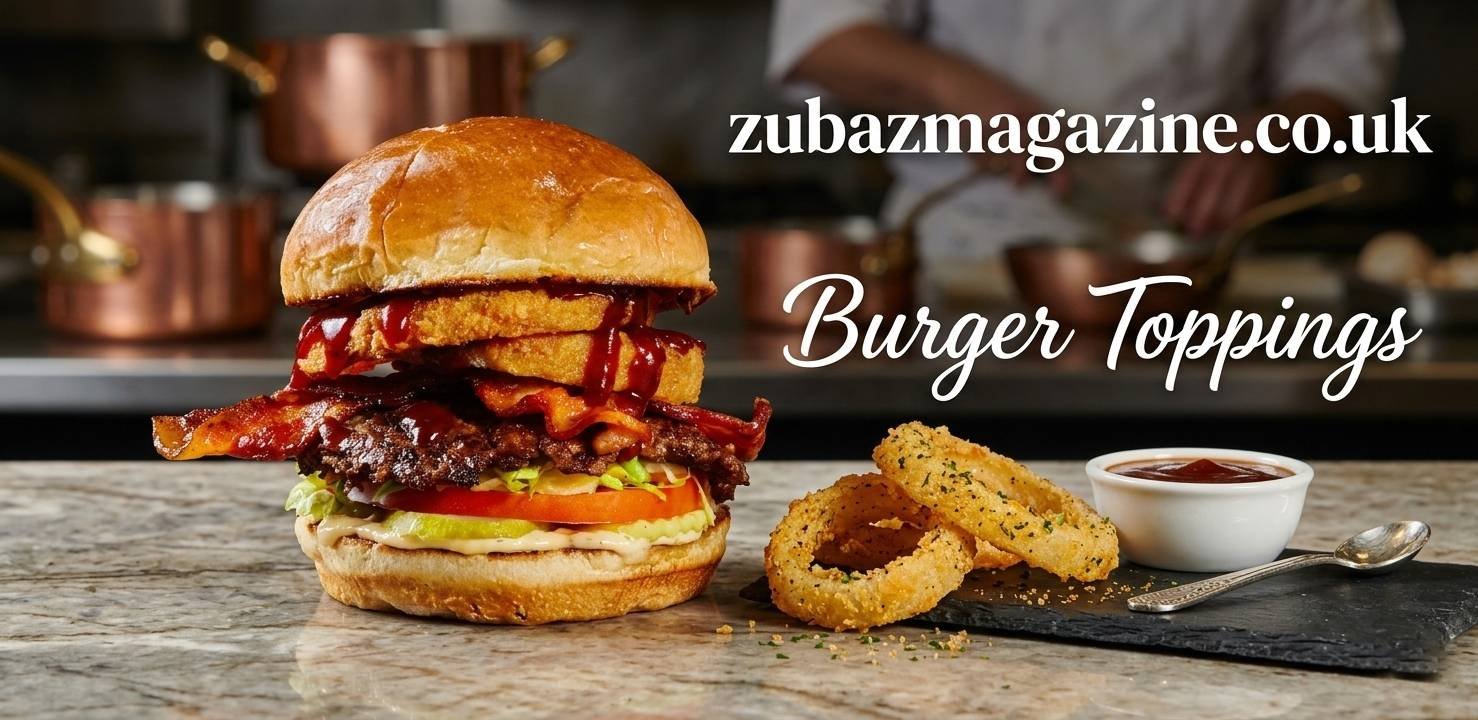
A great burger is more than just a juicy patty and a soft bun—it’s the toppings that transform it into a memorable meal. Burger toppings play a powerful role in shaping flavor, texture, aroma, and visual appeal. From classic lettuce and tomatoes to gourmet ingredients like caramelized onions, truffle aioli, and fried eggs, the right toppings can elevate a burger from ordinary to extraordinary.
Whether you’re cooking at home, ordering at a restaurant, or experimenting with creative recipes, understanding how to choose and combine burger toppings can completely change the burger experience. The beauty of burgers lies in their flexibility—every topping adds a unique personality to the dish.
This article explores the world of burger toppings in depth. You’ll discover classic options, creative gourmet additions, regional favorites, and expert tips for pairing toppings with different types of burgers. By the end, you’ll know how to build the perfect burger with toppings that balance flavor, texture, and visual appeal.
The Role of Burger Toppings in Flavor and Texture
When people think about burgers, the first thing that often comes to mind is the patty. Yet in reality, burger toppings are what bring balance and character to the dish. Without toppings, a burger can feel one-dimensional. Toppings introduce layers of taste that make each bite exciting.
Different toppings contribute different elements. Fresh vegetables provide crispness and brightness. Sauces add moisture and richness. Cheese introduces creaminess and depth. Meanwhile, savory extras like bacon or mushrooms deliver umami flavor that enhances the meat.
Texture also plays an important role. A well-built Burger typically includes a combination of crunchy, creamy, juicy, and savory ingredients. Imagine biting into a burger with crisp lettuce, melted cheese, and tangy sauce all at once—the contrast makes the experience satisfying.
The key is balance. Too many toppings can overwhelm the burger, while too few may leave it bland. Finding the right combination allows every ingredient to shine while still supporting the main star: the patty.
Classic Burger Toppings Everyone Loves
Classic toppings have remained popular for decades because they complement burgers perfectly. These ingredients are simple, widely available, and loved across cultures.
Lettuce, Tomato, and Onion
Fresh vegetables are among the most recognizable burger toppings. Crisp lettuce adds a refreshing crunch that contrasts with the warm patty. Tomatoes provide juiciness and mild sweetness that brighten the flavor of the burger.
Onions, whether raw or grilled, contribute a sharp and slightly spicy kick. Raw onions deliver a bold bite, while grilled onions become softer and sweeter as they cook. Together, these three vegetables create a fresh and balanced base for many burgers.
Pickles
Pickles bring acidity that cuts through the richness of meat and cheese. Their tangy flavor refreshes the palate between bites, making the burger taste lighter and more balanced. Dill pickles are the most common choice, though bread-and-butter pickles offer a sweeter twist.
Cheese
Cheese might be the most beloved topping in burger culture. Melted cheese coats the patty and adds creaminess that enhances every bite. American cheese melts smoothly, cheddar offers sharpness, and Swiss cheese brings a nutty flavor.
Below is a comparison of popular burger cheeses.
| Cheese Type | Flavor Profile | Best Pairing |
|---|---|---|
| American | Mild, creamy | Classic cheeseburgers |
| Cheddar | Sharp, rich | Beef or bacon burgers |
| Swiss | Nutty, slightly sweet | Mushroom burgers |
| Pepper Jack | Spicy | Southwestern burgers |
These classics prove that sometimes the simplest toppings create the most satisfying burgers.
Gourmet Burger Toppings for Creative Flavor
In recent years, burgers have evolved into gourmet creations with bold and unexpected ingredients. These burger toppings bring restaurant-quality flavors to home kitchens and allow cooks to experiment with exciting combinations.
Caramelized Onions
Caramelized onions are slowly cooked until they become soft, golden, and sweet. The long cooking process transforms their natural sugars, creating a rich flavor that pairs beautifully with beef patties.
Avocado or Guacamole
Creamy avocado adds a buttery texture that contrasts with Crispy or grilled ingredients. Guacamole, with its blend of lime, herbs, and spices, provides freshness and complexity.
Fried Egg
Adding a fried egg on top of a burger introduces a luxurious element. When the yolk breaks, it creates a rich sauce that coats the patty and bun. This topping is especially popular in brunch-style burgers.
Mushrooms
Sautéed mushrooms bring deep savory flavor often described as “umami.” When cooked with garlic and butter, mushrooms become soft and intensely aromatic, complementing beef and cheese perfectly.
These gourmet toppings show how burgers can evolve into creative culinary experiences rather than simple fast food.
Sauce-Based Burger Toppings That Boost Flavor
Sauces are essential burger toppings because they provide moisture and connect all the ingredients together. Without sauce, a burger may feel dry or incomplete.
Classic Sauces
Ketchup and mustard are traditional favorites. Ketchup adds sweetness and tang, while mustard contributes a sharp, slightly spicy flavor that cuts through richness.
Mayonnaise offers a creamy base that pairs well with vegetables and grilled meat. Many restaurants create signature sauces by blending mayonnaise with herbs, garlic, or spices.
Specialty Sauces
Modern burgers often feature unique sauces inspired by global cuisines. Barbecue sauce adds smoky sweetness, while spicy sriracha mayo introduces heat and bold flavor.
Below is a comparison of common burger sauces.
| Sauce | Flavor Characteristics | Typical Use |
|---|---|---|
| Ketchup | Sweet and tangy | Classic burgers |
| Mustard | Sharp and slightly spicy | Beef or grilled burgers |
| BBQ Sauce | Smoky and sweet | Bacon burgers |
| Garlic Aioli | Creamy and aromatic | Gourmet burgers |
These sauces enhance the burger’s flavor profile and help bring the toppings together.
Regional and Cultural Burger Toppings
Around the world, burgers are adapted to local tastes. Different regions introduce toppings that reflect cultural ingredients and culinary traditions.
American Regional Variations
In the southern United States, burgers often include pimento cheese or coleslaw. These toppings add creamy texture and a hint of tanginess. In California, avocado and sprouts are common additions that reflect the region’s fresh produce culture.
International Inspirations
Globally inspired burgers showcase fascinating topping choices. In Japan, teriyaki sauce and grilled pineapple create a sweet and savory balance. In Australia, burgers are sometimes topped with beetroot slices, which add color and earthy sweetness.
Below is a table highlighting international burger toppings.
| Country | Popular Topping | Flavor Impact |
|---|---|---|
| Japan | Teriyaki sauce | Sweet and savory |
| Australia | Beetroot | Earthy sweetness |
| Mexico | Guacamole | Creamy and fresh |
| Germany | Fried egg | Rich and hearty |
These regional variations prove that burgers are a global canvas for culinary creativity.
How to Choose the Perfect Burger Toppings
Selecting the right toppings depends on the type of burger you’re making. Beef burgers pair well with bold flavors like bacon, cheese, and caramelized onions. Chicken burgers benefit from lighter toppings such as lettuce, avocado, and citrus-based sauces.
Texture is another important consideration. A balanced burger usually includes at least one crunchy element, one creamy element, and one flavorful sauce. This combination keeps each bite interesting.
Consider the bun as well. A soft brioche bun works beautifully with rich toppings, while a toasted sesame bun adds nutty flavor and structure. Matching toppings with the bun ensures the burger remains stable and enjoyable to eat.
Ultimately, the best burger toppings are those that complement each other without overpowering the patty. Thoughtful combinations can transform a simple meal into a culinary highlight.
Conclusion
Burger toppings are the true artists behind a memorable burger experience. While the patty provides the foundation, toppings introduce layers of flavor, texture, and visual appeal that define the character of the dish. From classic lettuce, tomatoes, and cheese to gourmet additions like avocado, caramelized onions, and fried eggs, each topping contributes something unique.
Understanding how to balance freshness, richness, crunch, and sauce can elevate a burger from ordinary to exceptional. Exploring regional variations and creative combinations also opens the door to endless possibilities.
The next time you build a Burger, think beyond the basics. Experiment with new ingredients, mix flavors thoughtfully, and create a topping combination that reflects your personal taste. With the right burger toppings, every burger can become a delicious masterpiece.
Frequently Asked Questions (FAQs)
1. What are the most popular burger toppings?
The most popular burger toppings include lettuce, tomato, onions, pickles, cheese, ketchup, and mustard. These classic ingredients create a balanced mix of freshness, crunch, and flavor.
2. What cheese works best on burgers?
American, cheddar, Swiss, and pepper jack cheeses are commonly used. Each offers a different flavor profile, ranging from creamy and mild to sharp and spicy.
3. Can healthy ingredients be used as burger toppings?
Yes. Ingredients like avocado, grilled vegetables, spinach, and yogurt-based sauces provide nutritious options while still adding flavor and texture to burgers.
4. How many toppings should a burger have?
Most burgers taste best with three to five toppings. This allows each ingredient to contribute flavor without overwhelming the patty or making the burger difficult to eat.
5. What toppings pair well with chicken burgers?
Chicken burgers pair well with lighter toppings such as lettuce, tomato, avocado, coleslaw, and honey mustard or garlic aioli sauces.
Introduction
Few pastries deliver the same comforting sweetness and nostalgic satisfaction as honey buns. Soft, sticky, and lightly glazed, this classic baked treat has become a favorite snack in homes, bakeries, and convenience stores across many countries. Whether enjoyed with a morning cup of coffee, packed in a lunchbox, or grabbed as a quick dessert, honey buns offer a warm combination of fluffy dough, honey-infused sweetness, and delicate spices.
What makes honey buns so special is their balance of texture and flavor. The soft spiraled dough often carries hints of cinnamon, while a light glaze or honey coating adds richness without overwhelming the palate. For many people, honey buns also bring back childhood memories—late-night snacks, school lunches, or weekend bakery visits.
In this guide, you’ll explore everything about honey buns: their history, ingredients, baking process, cultural popularity, and modern variations. Whether you’re curious about their origins or planning to bake them at home, understanding the story behind honey buns reveals why this humble pastry continues to charm dessert lovers everywhere.
What Are Honey Buns?
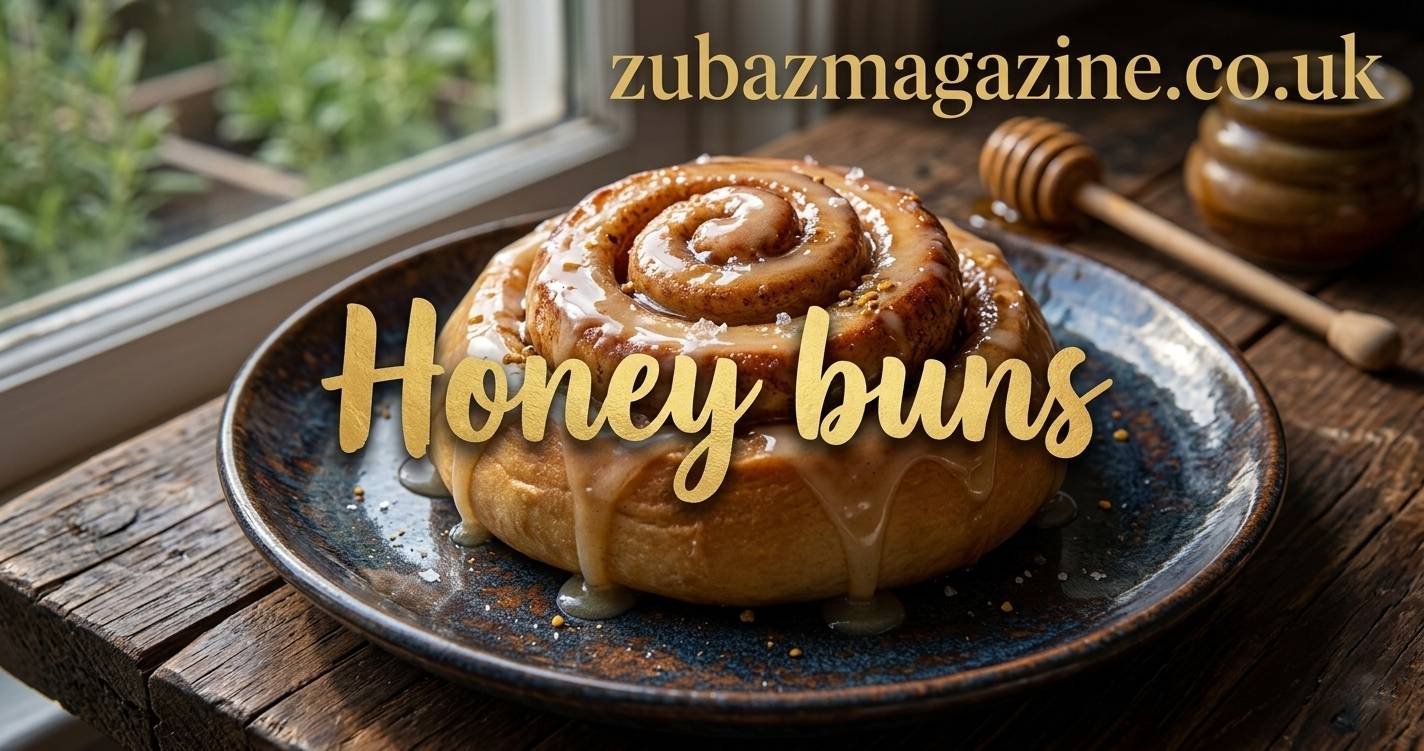
Honey buns are soft, spiral-shaped pastries made from enriched dough that is sweetened with honey or a honey-flavored glaze. They are typically deep-fried or baked and finished with a light sugary coating that gives them their signature sticky surface.
At first glance, Honey Buns resemble cinnamon rolls. However, they usually have a lighter filling and a thinner glaze. The dough is often airy and tender, making them easy to pull apart or enjoy in large bites.
The classic flavor profile includes warm spices such as cinnamon, nutmeg, or vanilla. Some versions contain honey directly in the dough, while others rely on honey-flavored icing or glaze to create the familiar taste.
Honey buns are commonly found in bakeries, grocery stores, and packaged snack aisles. Their convenience and long shelf life have helped them become a popular grab-and-go treat for busy mornings or quick energy boosts.
The Origins and History of Honey Buns
Although the exact origin of honey buns is difficult to trace, their roots likely connect to European sweet breads and honey pastries that date back centuries. Honey has long been used as a natural sweetener in baked goods, especially before refined sugar became widely available.
Many historians believe that spiral pastries similar to honey buns evolved from traditional sweet rolls in Northern and Eastern Europe. These breads often used honey, butter, and spices to create rich flavors during festive seasons.
As baking traditions traveled to North America, these recipes gradually evolved. By the mid-20th century, commercial bakeries began producing packaged honey buns as snack foods. Their popularity quickly grew because they were affordable, portable, and satisfying.
Today, honey buns exist in both homemade and mass-produced forms. While convenience-store versions focus on shelf stability, bakery versions often emphasize fresh dough, real honey, and richer flavor.
Key Ingredients That Make Honey Buns Unique
The charm of honey buns comes from their simple yet carefully balanced ingredients. Each component contributes to their soft texture and sweet flavor.
Essential Ingredients in Honey Buns
| Ingredient | Purpose | Flavor Contribution |
|---|---|---|
| Flour | Forms the dough structure | Mild, neutral base |
| Honey | Natural sweetener | Floral sweetness |
| Butter | Adds richness and softness | Creamy flavor |
| Eggs | Improve texture and moisture | Light richness |
| Cinnamon | Common spice in filling | Warm aroma |
| Sugar glaze | Creates sticky coating | Extra sweetness |
The dough is typically enriched, meaning it contains butter, eggs, and sugar. This creates a softer texture compared to basic bread dough.
Honey itself plays a special role. Unlike regular sugar, honey adds subtle floral notes and moisture, helping the pastry remain soft for longer periods.
How Honey Buns Are Traditionally Made
Making honey buns involves several steps that transform simple dough into a soft spiral pastry.
Preparing the Dough
The process begins by mixing flour, yeast, milk, butter, eggs, and sweetener. Once combined, the dough is kneaded until smooth and elastic. This stage develops the gluten structure that gives honey buns their fluffy interior.
After kneading, the dough rests for about an hour so it can rise. During this time, yeast produces gas that expands the dough and creates a light texture.
Shaping the Spiral
Once the dough doubles in size, it is rolled into a flat sheet. A thin layer of butter, sugar, and cinnamon is spread across the surface before the dough is rolled into a log.
The log is then sliced into circular spirals. These spirals are what give honey buns their distinctive swirl pattern.
Cooking and Glazing
Traditional honey buns are either baked or lightly fried. After cooking, they are coated with a honey-flavored glaze while still warm. This glaze seeps into the surface, creating the signature sticky texture.
Nutritional Overview of Honey Buns
Like most pastries, honey buns are best enjoyed in moderation. They provide quick energy due to their carbohydrate and sugar content.
Below is a general nutritional overview for a standard honey bun.
| Nutrient | Average Amount |
|---|---|
| Calories | 300–450 |
| Carbohydrates | 40–60 g |
| Sugar | 20–35 g |
| Fat | 12–18 g |
| Protein | 4–6 g |
Because honey buns contain both sugar and fat, they are typically categorized as indulgent treats rather than everyday foods. However, homemade versions allow more control over ingredients and portion sizes.
Popular Variations of Honey Buns Around the World
Although the classic version remains popular, many bakeries experiment with creative variations.
Cinnamon Honey Buns
These are the closest relative to traditional cinnamon rolls. The filling includes cinnamon, brown sugar, and butter, creating a rich swirl inside the pastry.
Glazed Honey Buns
This variation focuses on a thick sugary glaze that coats the entire bun. The glaze hardens slightly as it cools, giving the pastry a shiny appearance.
Cream-Filled Honey Buns
Some modern bakeries inject honey buns with cream or custard fillings. This adds a richer dessert-like experience.
Savory-Inspired Honey Buns
Although less common, some bakers create savory versions with honey Butter or mild spices instead of sugary glaze.
Common flavor additions include:
- Vanilla or maple glaze
- Chocolate drizzle
- Honey butter topping
These variations demonstrate how adaptable honey buns can be.
Homemade vs Store-Bought Honey Buns
Both homemade and packaged honey buns have their own advantages. The choice often depends on convenience, taste preferences, and available time.
| Feature | Homemade Honey Buns | Store-Bought Honey Buns |
|---|---|---|
| Freshness | Very fresh | Longer shelf life |
| Flavor | Rich and customizable | Consistent taste |
| Preparation | Requires time and baking skills | Ready to eat |
| Ingredients | Fully controlled | Often processed |
Homemade honey buns usually deliver better texture and aroma because they are eaten fresh. The dough tends to be softer, and the honey flavor is more natural.
Store-bought versions, on the other hand, offer convenience and portability, making them popular snacks for travel, work, or school.
Why Honey Buns Became a Cultural Snack Favorite
The rise of honey buns as a cultural snack is closely linked to convenience food culture. During the late 20th century, packaged pastries became widely available in gas stations and grocery stores.
Their affordability made them accessible to almost everyone. A single honey bun could satisfy hunger quickly while delivering a comforting sweetness.
In many communities, honey buns became associated with late-night snacks, road trips, and quick breakfasts. Over time, they even appeared in pop culture references, music lyrics, and television scenes.
This cultural visibility helped transform honey buns from simple pastries into recognizable comfort foods.
Tips for Baking Perfect Honey Buns at Home
Baking honey buns at home can be a rewarding experience. Small adjustments during preparation can significantly improve the final result.
Use High-Quality Honey
Real honey enhances the flavor far more than artificial substitutes. It also contributes to moisture and aroma.
Allow Enough Rising Time
Rushing the dough fermentation can lead to dense pastries. Proper rising creates the soft, airy texture that defines honey buns.
Apply Glaze While Warm
Adding glaze immediately after baking allows it to melt slightly into the pastry surface. This produces the characteristic sticky finish.
Don’t Overbake
Overbaking can dry out the dough. Honey buns should remain soft and slightly moist inside.
Modern Innovations and Gourmet Honey Buns
In recent years, bakeries and dessert chefs have reinvented honey buns with gourmet twists. Artisanal bakeries often experiment with organic honey varieties, flavored glazes, and creative fillings.
Some popular gourmet trends include:
- Lavender honey buns
- Salted caramel honey glaze
- Honey bun bread pudding
- Honey bun ice cream sandwiches
These modern interpretations highlight how a simple pastry can evolve into an elegant dessert.
Food enthusiasts also enjoy pairing honey buns with specialty coffee or tea. The mild sweetness complements espresso, cappuccino, and spiced chai particularly well.
Conclusion
Honey buns have earned their place as one of the most beloved sweet pastries in modern snack culture. Their soft spiral dough, warm spices, and honey-infused glaze create a comforting combination that appeals to people of all ages.
From their possible roots in traditional European sweet breads to their widespread presence in bakeries and convenience stores today, honey buns continue to evolve while preserving their classic charm. Whether homemade in a kitchen or purchased as a quick treat, they offer a satisfying balance of sweetness and texture.
For anyone who loves baked desserts, Honey Buns represent more than just a pastry—they symbolize comfort, nostalgia, and simple culinary pleasure. Baking them at home or discovering new variations can be a delightful way to experience the timeless appeal of this sweet favorite.
Frequently Asked Questions (FAQs)
1. What are honey buns made of?
Honey buns are typically made from enriched dough containing flour, yeast, butter, eggs, sugar, and honey. They are often flavored with cinnamon and topped with a sweet glaze.
2. Are honey buns the same as cinnamon rolls?
No, although they look similar. Honey buns usually have a lighter filling and a thin honey glaze, while cinnamon rolls often contain heavier cinnamon sugar filling and cream cheese frosting.
3. Can honey buns be baked instead of fried?
Yes. Many homemade recipes bake honey buns in the oven. Baking produces a softer texture and slightly lighter pastry compared to fried versions.
4. How long do honey buns stay fresh?
Freshly baked honey buns are best eaten within one to two days. Packaged versions can last longer due to preservatives.
5. Can honey buns be frozen?
Yes. Honey buns can be frozen for up to three months. Wrapping them tightly prevents freezer burn and helps preserve their flavor.
Introduction
Few treats in the world are as universally loved as chocolate bars. From a quick afternoon snack to a luxurious dessert, these sweet creations have become a staple in cultures across the globe. The simple combination of cocoa, sugar, and milk has evolved into countless flavors, textures, and creative varieties that delight people of all ages. Whether someone prefers rich dark chocolate, creamy milk chocolate, or innovative filled bars, the appeal is timeless.
Chocolate bars are more than just sweets; they represent comfort, celebration, and even nostalgia. A single bite can bring back childhood memories, holiday traditions, or moments of indulgence after a long day. Over time, chocolatiers and manufacturers have transformed this beloved confection into an art form, experimenting with ingredients, techniques, and flavors.
This article explores the fascinating world of chocolate bars—how they were invented, how they are made, the different types available today, and why they continue to capture our taste buds. By the end, readers will understand the craftsmanship, culture, and science behind one of the world’s most popular treats.
The History of Chocolate Bars
Chocolate has a rich history that dates back thousands of years. The ancient civilizations of Central America, particularly the Maya and Aztecs, were among the first to cultivate cacao. However, the chocolate they consumed was very different from the sweet chocolate bars we enjoy today.
The earliest Chocolate was a bitter beverage made by grinding cacao beans and mixing them with water and spices. It was considered a luxury drink, often reserved for royalty and special ceremonies. When European explorers encountered cacao in the 16th century, they brought it back to Europe where sugar and milk were added to soften its intense flavor.
The transformation from drink to solid chocolate began in the 19th century. Technological advances allowed chocolate makers to remove excess cocoa butter, creating a smoother and moldable paste. Eventually, companies began pressing chocolate into molds, creating the first recognizable chocolate bars.
Milestones in Chocolate Bar Development
| Year | Innovation | Impact |
|---|---|---|
| 1828 | Cocoa press invented by Coenraad Van Houten | Allowed separation of cocoa butter from beans |
| 1847 | First solid chocolate bar created | Marked the beginning of modern chocolate bars |
| 1875 | Milk chocolate introduced by Daniel Peter | Made chocolate smoother and sweeter |
| 1900s | Mass production begins | Chocolate bars become widely accessible |
These innovations turned chocolate from an elite luxury into an affordable treat enjoyed worldwide.
How Chocolate Bars Are Made
Behind every chocolate bar lies a carefully controlled process that transforms raw cacao beans into smooth, flavorful chocolate. While the basic ingredients are simple, the craftsmanship involved is remarkably detailed.
From Cacao Bean to Chocolate
The journey begins with cacao trees, which grow primarily in tropical regions such as West Africa, South America, and Southeast Asia. Farmers harvest cacao pods, which contain the beans used to make chocolate.
The beans are fermented and dried before being shipped to chocolate manufacturers. Once they arrive, the beans are roasted to develop flavor. Roasting also helps loosen the shells so they can be removed, leaving behind the cocoa nibs.
Next, the nibs are ground into a thick paste called chocolate liquor. Despite the name, it contains no alcohol. This paste contains both cocoa solids and cocoa butter, the natural fat in cacao beans.
After grinding, chocolate makers add ingredients such as sugar, milk powder, or vanilla depending on the type of chocolate being produced. The mixture is then refined and conched, a process that smooths the texture and enhances the flavor.
Finally, the chocolate is tempered and poured into molds to form chocolate bars. Once cooled and solidified, the bars are wrapped and ready for distribution.
Types of Chocolate Bars
One reason chocolate bars remain so popular is their incredible variety. Different ingredients and cacao percentages create distinct flavors and textures.
Comparison of Major Chocolate Types
| Type | Cocoa Content | Flavor Profile | Common Uses |
|---|---|---|---|
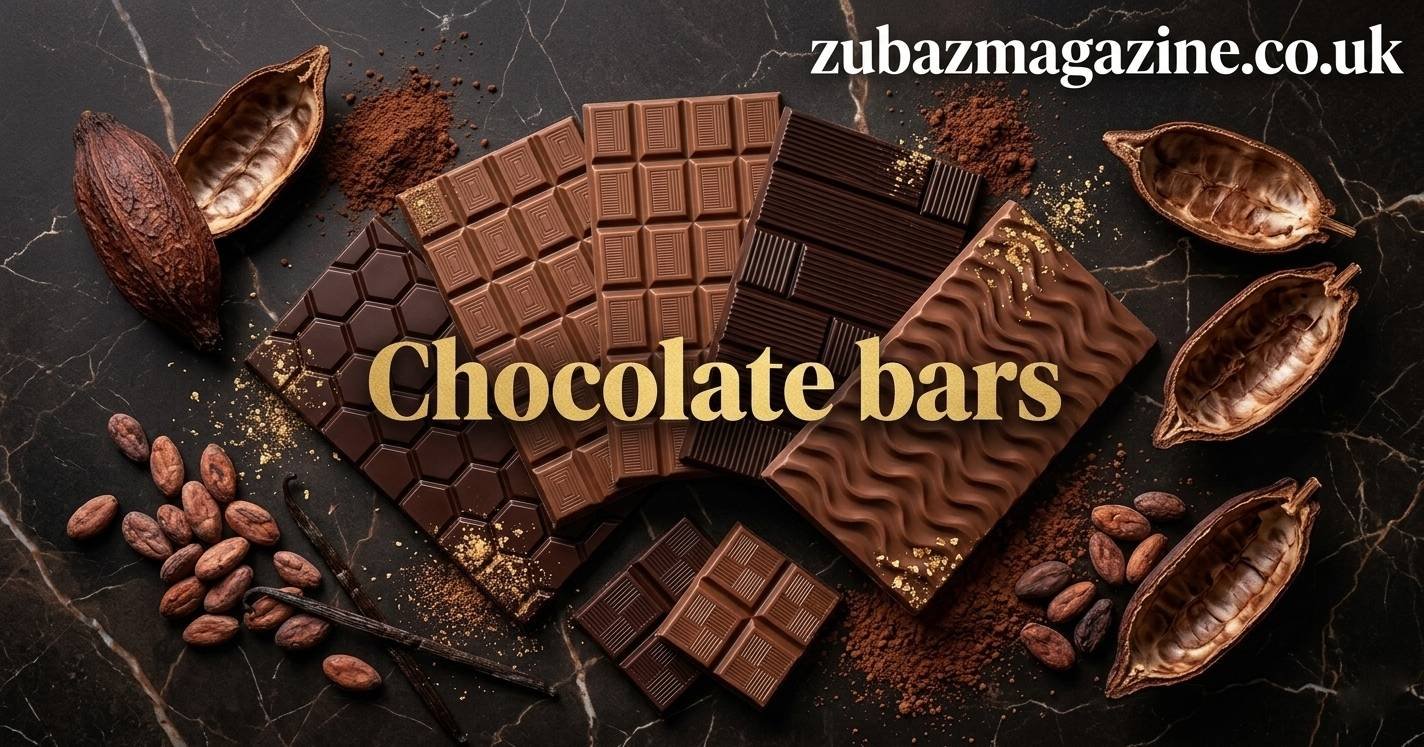
| Dark Chocolate | 50–90% | Rich, bold, slightly bitter | Gourmet bars, baking |
| Milk Chocolate | 25–40% | Sweet and creamy | Candy bars, snacks |
| White Chocolate | 0% cocoa solids | Sweet and buttery | Desserts and coatings |
| Ruby Chocolate | Varies | Fruity and slightly tangy | Specialty chocolates |
Each type offers a different sensory experience. Dark chocolate bars are often favored by those who enjoy intense cacao flavor, while milk chocolate bars are known for their smooth sweetness.
Popular Filled Chocolate Bars
Many modern chocolate bars contain fillings that add new textures and flavors. These innovations have turned simple chocolate into complex confectionery creations.
Some common fillings include:
- Caramel or nougat centers
- Nuts such as almonds, peanuts, or hazelnuts
- Biscuit or wafer layers
These additions create a balance of crunchy, creamy, and chewy textures that enhance the eating experience.
The Global Popularity of Chocolate Bars
Chocolate bars are among the most widely consumed sweets in the world. They are sold in nearly every country and enjoyed by people of all ages.
Several factors contribute to their global appeal. First, Chocolate has a naturally pleasing flavor profile. The combination of sweetness, fat, and subtle bitterness creates a balanced taste that satisfies the palate.
Second, chocolate bars are convenient. Their portable shape makes them easy to carry, share, and enjoy anywhere—from school lunches to long road trips.
Finally, chocolate bars often hold cultural significance. Many holidays and celebrations feature chocolate treats, including Valentine’s Day, Easter, and Christmas.
Global Chocolate Consumption
| Region | Average Annual Chocolate Consumption |
|---|---|
| Switzerland | ~8.8 kg per person |
| Germany | ~8.2 kg per person |
| United States | ~5.5 kg per person |
| United Kingdom | ~7.6 kg per person |
These numbers highlight how deeply chocolate bars are integrated into daily life in many parts of the world.
Why Chocolate Bars Are So Enjoyable
The appeal of chocolate bars goes beyond simple sweetness. Scientists have discovered that chocolate contains compounds that interact with the brain in fascinating ways.
Cocoa contains small amounts of theobromine and phenylethylamine, chemicals associated with mood enhancement. While the effects are subtle, they contribute to the pleasurable feeling people experience when eating chocolate.
Texture also plays an important role. The smooth melting sensation of chocolate comes from cocoa butter, which melts at a temperature close to the human body. This creates the signature creamy mouthfeel that chocolate lovers appreciate.
Additionally, chocolate bars often trigger emotional connections. A childhood favorite candy bar or a gift of chocolate from someone special can create lasting memories associated with taste.
Innovations in Modern Chocolate Bars
Today’s chocolate industry is constantly evolving. Chocolatiers experiment with new ingredients, ethical sourcing methods, and creative flavor combinations.
One major trend is the rise of craft chocolate. Small-batch chocolate makers focus on high-quality cacao beans and transparent sourcing. These producers often highlight the origin of the cacao, much like coffee or wine.
Another trend is unique flavor pairings. Modern chocolate bars may include unexpected ingredients such as sea salt, chili pepper, matcha, or dried fruit. These combinations create new sensory experiences for adventurous chocolate lovers.
Sustainability has also become increasingly important. Many companies now support fair trade practices and environmentally responsible farming to ensure cacao farmers receive fair compensation.
Choosing the Best Chocolate Bars
With so many options available, selecting the right chocolate bar can feel overwhelming. However, a few simple factors can help guide the decision.
First, consider cocoa percentage. Higher percentages usually mean a stronger chocolate flavor and less sweetness. Dark chocolate lovers often prefer bars with 70% cocoa or higher.
Second, examine the ingredient list. High-quality chocolate bars typically contain fewer ingredients and focus on cocoa, sugar, and sometimes milk.
Third, explore different origins. Cacao beans from different regions have distinct flavor profiles. For example, beans from Madagascar often produce fruity notes, while beans from Ecuador may have floral or nutty characteristics.
Trying different brands and styles can turn chocolate tasting into a fun and educational experience.
Chocolate Bars in Everyday Life
Chocolate bars play many roles in modern culture. They can be quick energy snacks, thoughtful gifts, or ingredients in creative desserts.
Bakers often chop chocolate bars into cookies, brownies, or cakes. The melting chocolate adds richness and depth to baked goods. Meanwhile, chefs frequently use premium chocolate bars in gourmet desserts such as chocolate mousse or lava cake.
Chocolate bars also appear in unexpected places. Some athletes enjoy small amounts of dark chocolate as a quick source of energy, while travelers often carry chocolate bars for convenient snacks during long journeys.
Conclusion
Chocolate bars have come a long way from their ancient origins as bitter cacao drinks. Through centuries of innovation and craftsmanship, they have evolved into one of the world’s most beloved treats. From classic milk chocolate to bold dark chocolate varieties, these sweet creations offer endless possibilities for flavor and enjoyment.
Understanding how Chocolate Bars are made, the types available, and the history behind them adds a new level of appreciation to every bite. Whether enjoyed as a simple snack, a luxurious dessert, or a thoughtful gift, chocolate bars continue to bring joy to people around the world.
Exploring different flavors, origins, and styles can turn an everyday treat into a delightful culinary journey. The next time a chocolate bar is unwrapped, it’s worth remembering the centuries of tradition and creativity that made that moment possible.
Frequently Asked Questions (FAQs)
1. What are chocolate bars made from?
Chocolate bars are typically made from cocoa solids, cocoa butter, sugar, and sometimes milk powder or vanilla. Different combinations create milk, dark, or white chocolate varieties.
2. What is the difference between dark and milk chocolate bars?
Dark chocolate bars contain a higher percentage of cocoa and less sugar, giving them a richer and slightly bitter flavor. Milk chocolate bars include milk powder, making them sweeter and creamier.
3. Are chocolate bars healthy?
Chocolate bars can be enjoyed in moderation. Dark chocolate with higher cocoa content contains antioxidants and may offer small health benefits when eaten responsibly.
4. Why do chocolate bars melt easily?
Chocolate melts easily because cocoa butter has a melting point close to body temperature. This property gives chocolate its smooth, creamy texture when eaten.
5. How should chocolate bars be stored?
Chocolate bars should be stored in a cool, dry place away from direct sunlight. Temperatures between 60–70°F help maintain their flavor and texture.
Introduction
Few treats capture the warmth of Southern hospitality quite like bourbon balls. These bite-sized confections combine chocolate, pecans, sugar, and bourbon into a rich dessert that feels both indulgent and nostalgic. Whether served during holidays, shared at family gatherings, or offered as homemade gifts, bourbon balls have earned a special place in American dessert culture.
What makes bourbon balls truly unique is their balance of simplicity and sophistication. Despite requiring no baking, they deliver deep flavor from quality ingredients and a touch of bourbon whiskey. The result is a sweet treat that’s creamy, nutty, slightly boozy, and irresistibly satisfying.
In this comprehensive guide, you’ll explore the history of bourbon balls, how they’re made, variations across regions, ingredient breakdowns, storage tips, and creative serving ideas. By the end, you’ll understand why this classic confection continues to delight dessert lovers across generations.
The Origins of Bourbon Balls
The story of bourbon balls begins in the American South, particularly in Kentucky, the heart of the bourbon whiskey industry. While bourbon itself dates back to the late 18th century, bourbon balls became popular much later as a sweet way to celebrate the state’s signature spirit.
A Kentucky Candy Tradition
In the early 20th century, confectioners in Kentucky started experimenting with desserts infused with bourbon. One of the most notable creators was Rebecca Ruth Candy Company, founded in 1919 in Frankfort, Kentucky. The company is widely credited with popularizing bourbon balls as a commercial candy.
Instead of simply making chocolate truffles, confectioners added crushed pecans and a splash of Bourbon to create a uniquely Southern treat. These candies quickly gained popularity among locals and visitors alike.
Why Bourbon Works So Well in Desserts
Bourbon brings more than alcohol to the table. Its flavor profile typically includes notes of vanilla, caramel, oak, and spice. When mixed with chocolate and nuts, these flavors deepen the overall taste of the candy.
The alcohol content also acts as a flavor carrier, helping aromatic compounds spread across the palate. This is why even a small amount of bourbon can dramatically enhance a dessert’s richness.
What Are Bourbon Balls?
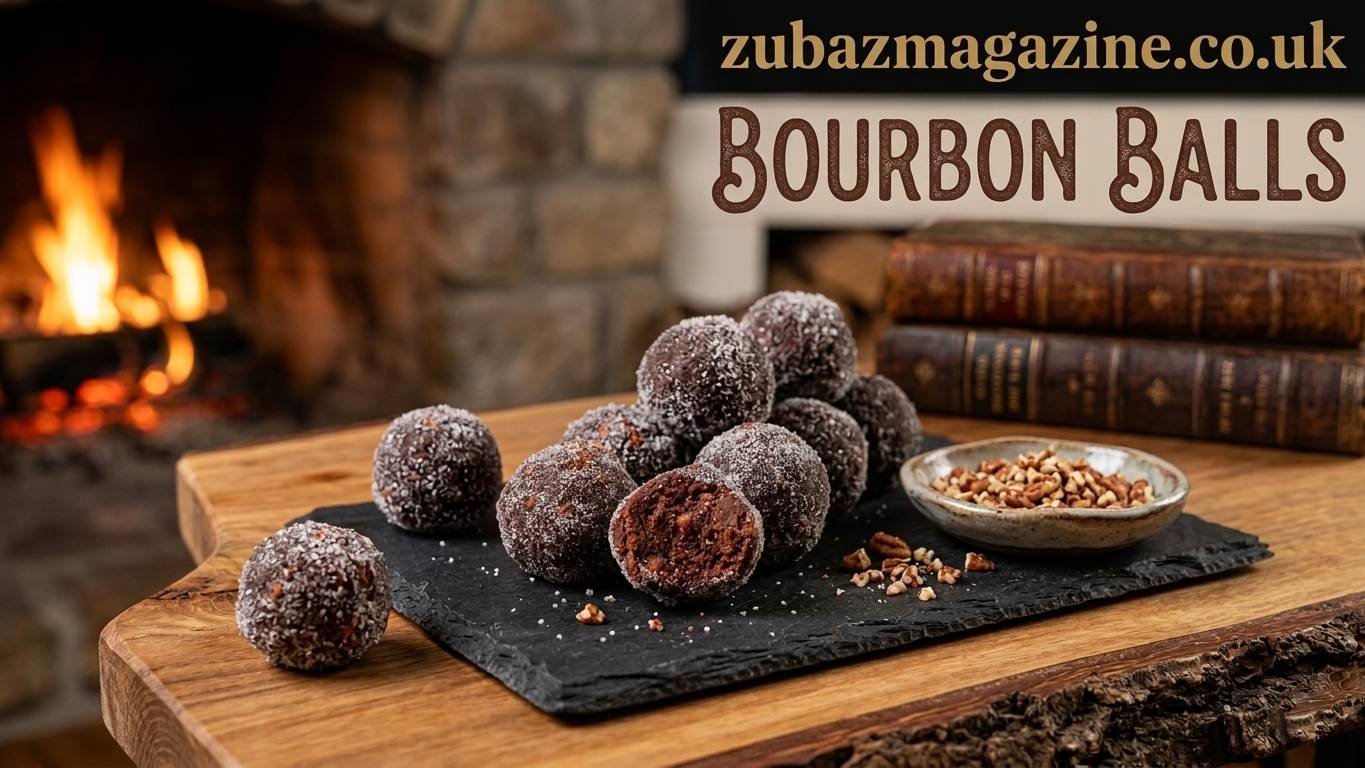
Bourbon balls are small, no-bake candies typically made from crushed vanilla wafers, pecans, powdered sugar, cocoa, and bourbon whiskey. The mixture is rolled into small balls and often coated with chocolate or powdered sugar.
Unlike baked desserts, bourbon balls rely on ingredient balance and texture rather than cooking techniques.
Basic Ingredient Overview
| Ingredient | Role in the Recipe | Flavor Contribution |
|---|---|---|
| Bourbon whiskey | Moisture and flavor | Warm, caramel-like notes |
| Crushed vanilla wafers | Structure | Mild sweetness |
| Pecans | Texture | Nutty richness |
| Powdered sugar | Sweetness | Smooth consistency |
| Cocoa or chocolate | Coating and flavor | Deep chocolate taste |
The combination creates a dense but soft candy with layered flavors.
Texture and Flavor Profile
A well-made bourbon ball should have a soft, slightly crumbly center surrounded by a chocolate coating or sugar dusting. The flavor unfolds gradually: first chocolate, then sweetness, followed by a warm bourbon finish.
Because they are no-bake treats, the ingredients meld together over time, making the candy taste even better after a day or two.
Classic Bourbon Balls Recipe
One reason bourbon balls remain popular is their simplicity. Even beginners can make them successfully with just a handful of ingredients.
Traditional Ingredients
Most traditional recipes include:
- 1 cup finely chopped pecans
- 1 cup crushed vanilla wafers
- 1 cup powdered sugar
- 2 tablespoons cocoa powder
- 2–3 tablespoons bourbon
- Melted chocolate or powdered sugar for coating
Step-by-Step Preparation
First, combine the crushed vanilla wafers, powdered sugar, cocoa powder, and pecans in a bowl. Slowly add bourbon while mixing until the ingredients form a cohesive dough.
Next, roll the mixture into small balls, about one inch in diameter. Chill them briefly so they firm up.
Finally, coat the candies in melted chocolate or roll them in powdered sugar. After setting, the bourbon balls are ready to enjoy.
Many people find the flavor improves after the candies sit overnight, allowing the ingredients to fully blend.
Flavor Variations and Modern Twists
While the traditional recipe remains beloved, modern dessert enthusiasts have created numerous variations. These adaptations keep the spirit of bourbon balls alive while adding creative flavors.
Chocolate-Dipped Bourbon Balls
Instead of a simple coating, some recipes fully dip the candy in dark chocolate. This creates a truffle-like dessert with a crisp chocolate shell and creamy center.
Dark chocolate pairs particularly well with bourbon because both share roasted and slightly bitter notes.
Bourbon Ball Cheesecake Bites
In recent years, pastry chefs have incorporated Bourbon Ball flavors into cheesecakes, brownies, and ice cream. Small cheesecake bites flavored with bourbon and topped with pecans mimic the candy’s flavor profile while offering a new texture.
Flavor Variation Comparison
| Variation | Key Addition | Flavor Impact |
|---|---|---|
| Dark chocolate bourbon balls | Dark chocolate shell | Richer and slightly bitter |
| Maple bourbon balls | Maple syrup | Warm sweetness |
| Espresso bourbon balls | Espresso powder | Deeper roasted notes |
| Coconut bourbon balls | Shredded coconut | Tropical sweetness |
These variations show how versatile the dessert can be while still honoring its classic roots.
Choosing the Right Bourbon
Not all bourbons are the same, and the choice can influence the final taste of the candy.
Flavor Profiles of Popular Bourbon Styles
| Bourbon Style | Typical Flavor Notes | Best Use in Desserts |
|---|---|---|
| Wheated bourbon | Soft, sweet, vanilla | Smooth candies |
| High-rye bourbon | Spicy, bold | Stronger flavor contrast |
| Small-batch bourbon | Balanced caramel notes | Classic bourbon balls |
| Barrel-strength bourbon | Intense flavor | Use sparingly |
A smooth, mid-range bourbon usually works best for desserts. It provides depth without overpowering the sweetness of the candy.
How Much Bourbon Is Too Much?
Balance is key. Too little bourbon and the flavor disappears. Too much and the mixture becomes overly wet or overly strong.
Most recipes use two to three tablespoons per batch, which provides noticeable flavor without overwhelming the other ingredients.
When Bourbon Balls Are Traditionally Served
Although bourbon balls can be enjoyed year-round, they are especially popular during the holiday season.
Holiday Celebrations
Many families prepare bourbon balls in December as part of their holiday baking tradition. Because they don’t require baking, they’re easy to make in large batches.
The candy’s rich flavor also pairs perfectly with winter celebrations, making it a favorite treat at Christmas parties and gatherings.
Homemade Gifts
Bourbon balls are also popular edible gifts. Placed in decorative tins or gift boxes, they offer a thoughtful and homemade alternative to store-bought candy.
The candies keep well for weeks when stored properly, making them ideal for preparing ahead of time.
Storage and Shelf Life
Proper storage is essential to maintain the flavor and texture of bourbon balls.
Best Storage Practices
- Store in an airtight container
- Keep refrigerated for longer freshness
- Allow candies to sit at room temperature before serving
Refrigeration helps preserve the texture and prevents chocolate coatings from melting.
Shelf Life Guide
| Storage Method | Expected Freshness |
|---|---|
| Room temperature | 3–5 days |
| Refrigerated | 2–3 weeks |
| Frozen | Up to 3 months |
Freezing works surprisingly well because the candy contains little moisture, allowing it to maintain its structure when thawed.
Why Bourbon Balls Remain So Popular
Despite the rise of modern desserts, bourbon balls continue to hold their place in American kitchens.
Part of their appeal lies in their simplicity. With minimal ingredients and no baking required, almost anyone can make them successfully.
Another factor is their cultural connection. For many families, making bourbon balls is a cherished tradition passed down through generations.
Finally, the combination of chocolate, nuts, sugar, and bourbon creates a flavor experience that feels both comforting and indulgent. Few desserts manage to be both nostalgic and sophisticated at the same time.
Creative Ways to Serve Bourbon Balls
Although bourbon balls are often enjoyed as simple candies, creative presentation can elevate them into elegant desserts.
Dessert Platters
Serve bourbon balls alongside chocolate truffles, macarons, and caramel candies for a visually appealing dessert platter.
Pairing with Drinks
These candies pair beautifully with several beverages:
- Coffee or espresso
- Bourbon cocktails
- Dessert wines
The warm notes of bourbon complement roasted coffee flavors particularly well.
Party Displays
For special occasions, bourbon balls can be placed in mini cupcake liners or decorative trays. This small touch instantly makes them look more refined and festive.
Conclusion
Bourbon balls are far more than just a simple candy. They represent a rich blend of culinary tradition, Southern culture, and creative dessert craftsmanship. Originating in Kentucky and beloved across the United States, these bite-sized treats combine chocolate, pecans, and bourbon into a perfectly balanced confection.
Their popularity comes from both their flavor and their accessibility. Anyone can make Bourbon balls with just a few ingredients, yet the final result tastes luxurious and sophisticated. Over the years, countless variations have emerged, but the classic recipe continues to stand the test of time.
Whether enjoyed during holiday celebrations, gifted to friends, or served at elegant gatherings, bourbon balls remain a timeless dessert that brings warmth and indulgence to every occasion.
Frequently Asked Questions (FAQs)
1. Do bourbon balls contain alcohol?
Yes, traditional bourbon balls include bourbon whiskey. However, the amount is small and mainly used for flavor rather than intoxication.
2. Can bourbon balls be made without alcohol?
Yes. Some recipes replace bourbon with vanilla extract, apple juice, or maple syrup to create a similar flavor profile without alcohol.
3. How long should bourbon balls sit before serving?
Allowing bourbon balls to rest overnight helps the flavors blend together. Many people find they taste even better the next day.
4. What type of nuts are best for bourbon balls?
Pecans are the traditional choice because they provide a rich, buttery flavor that pairs well with bourbon and chocolate.
5. Do bourbon balls need refrigeration?
Refrigeration is recommended for longer storage. While they can sit at room temperature briefly, keeping them chilled helps maintain freshness and texture.
-
 NEWS6 days ago
OpenSkyNews: A Modern Voice in Digital Journalism
-
 Celebrity4 weeks ago
Tony Hinchcliffe Wife: Marriage, Privacy, and the Truth Behind the Curiosity
-
 Entertainment1 month ago
Zvideo: Exploring the Ultimate Video Experience Online
-
Food & Drinks3 days ago
Honey Buns: The Sweet, Soft Pastry Loved Around the World
-
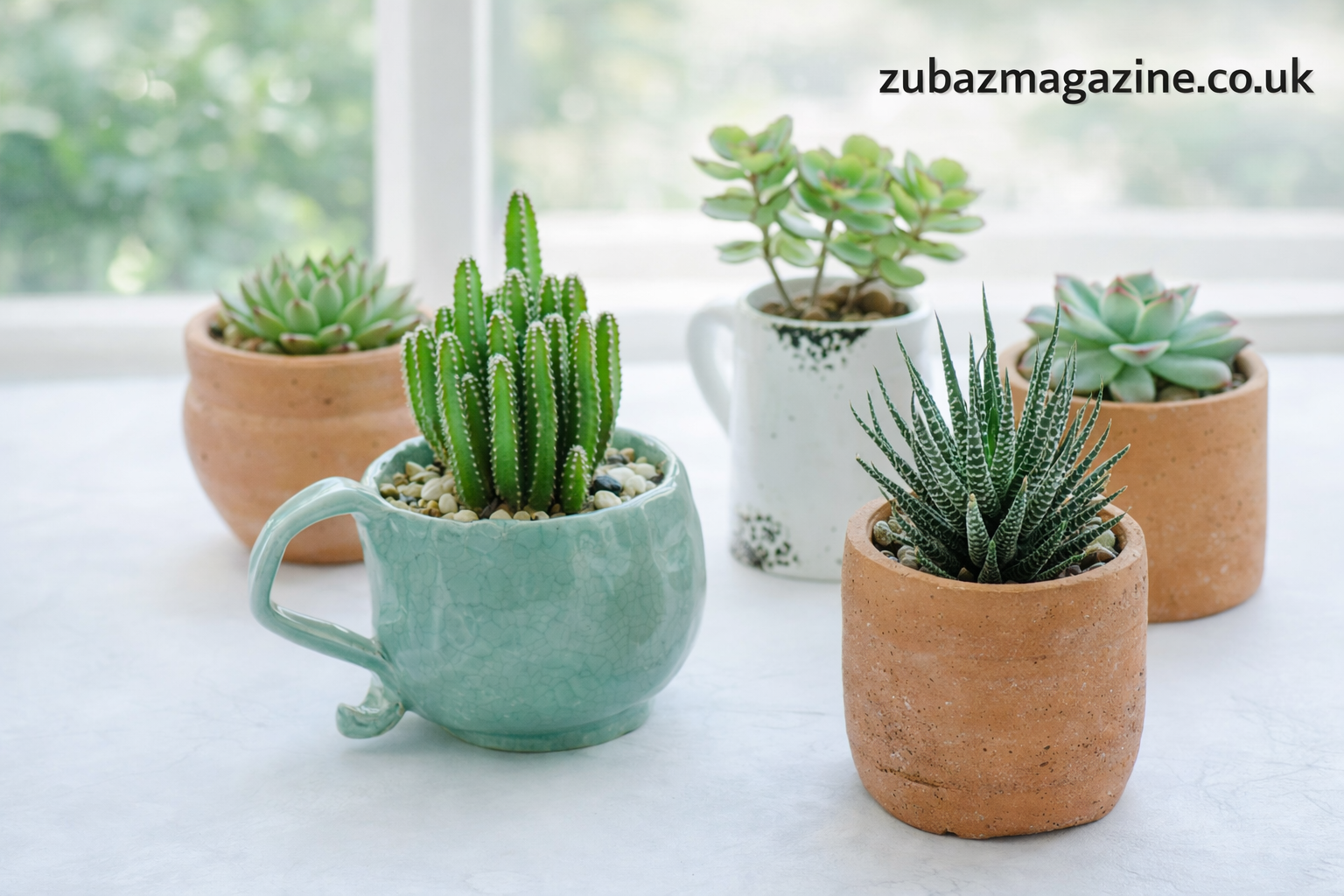 Fashion & Lifestyle4 weeks ago
Succulent Meaning: Definition, Symbolism, and Uses Explained
-
 Celebrity4 weeks ago
William Langston Thornton: Life, Identity, and Lasting Relevance
-
 Celebrity1 week ago
Samara Zane: A Glimpse Into a Private Celebrity Childhood
-
Food & Drinks3 days ago
Chocolate Bars: History, Varieties, and Why We Love Them