
Fashion & Lifestyle
Finnorth: A Complete Guide to Its Meaning and Impact
Discover the meaning, branding power, and industry impact of Finnorth in this comprehensive guide exploring its identity, strategy, and growth potential.


Introduction
Finnorth is a term that sparks curiosity the moment you hear it. It sounds directional, almost geographic, yet it carries a modern, innovative tone. Whether Finnorth represents a company, a concept, a product, or a brand, understanding what it stands for can open doors to deeper insights about its role, purpose, and long-term potential. In today’s fast-moving world, names are rarely accidental. They carry identity, intention, and vision.
In this comprehensive guide, we’ll explore Finnorth from multiple angles—its possible origins, applications, business value, market presence, and broader significance. You’ll learn how Finnorth can function across industries, what makes it compelling, and why it matters in both commercial and informational contexts. By the end, you’ll have a well-rounded understanding of Finnorth and how it can influence decisions, investments, branding strategies, or even consumer trust.
Understanding Finnorth: Meaning, Origin, and Identity
The name Finnorth appears to blend two powerful ideas: “Fin” and “North.” The prefix “Fin” often relates to finance, finality, or Finnish heritage. “North,” on the other hand, symbolizes direction, guidance, growth, and strength. When combined, Finnorth conveys clarity, direction, and purpose.
Names like Finnorth often represent more than a literal meaning. They create emotional resonance. “North” has long symbolized guidance—think of the North Star guiding travelers for centuries. Adding “Fin” can suggest precision, financial insight, or European roots. Together, Finnorth may represent a brand built on strategic direction and strong foundations.
In modern branding, a name must be memorable, adaptable, and meaningful. Finnorth meets all three criteria. It sounds professional, global, and trustworthy. That’s a powerful combination in today’s competitive markets.
Finnorth as a Brand or Business Concept
If Finnorth represents a business entity, it likely positions itself around clarity, direction, and structured growth. Many modern brands adopt directional or geographical cues to communicate reliability and stability.
Core Brand Attributes of Finnorth
Brands built around names like Finnorth often emphasize:
- Strategic guidance and forward movement
- Financial or operational stability
- Innovation with structure
- Nordic-inspired efficiency and design thinking
The Nordic region is globally associated with minimalism, transparency, sustainability, and technological advancement. A brand called Finnorth may intentionally draw from those associations to build credibility.
Hypothetical Company Overview Table
| Attribute | Possible Description |
|---|---|
| Industry Scope | Finance, consulting, tech, logistics, or ESG |
| Brand Personality | Professional, forward-thinking, structured |
| Core Values | Integrity, precision, transparency |
| Market Position | Premium or high-trust service provider |
| Target Audience | Businesses, investors, global clients |
This structured positioning gives Finnorth flexibility across sectors while maintaining a cohesive identity.
Finnorth Across Different Industries
One reason Finnorth stands out is its versatility. The name does not restrict itself to one niche. Instead, it can function across multiple industries depending on its core offering.
Finnorth in Finance and Investment
If Finnorth operates in finance, the name naturally aligns with investment management, wealth advisory, or fintech services. The “Fin” component suggests financial intelligence, while “North” conveys guidance and navigation.
In this scenario, Finnorth could serve as a boutique investment firm that helps clients “navigate north” toward financial stability. The brand narrative becomes strong and symbolic.
Finnorth in Technology
In tech, Finnorth could represent a SaaS platform, analytics company, or innovation hub. The name conveys structure and clarity—qualities highly valued in technology solutions.
Tech brands need names that scale globally. Finnorth sounds international and neutral, making it ideal for expansion beyond one geographic region.
Finnorth in Sustainability or ESG
Nordic regions are leaders in sustainability and green initiatives. If Finnorth operates in environmental consulting, renewable energy, or ESG advisory, the name reinforces credibility.
Here, Finnorth could symbolize moving “north” toward responsible growth. It aligns well with modern consumer expectations around ethical practices and sustainability.
Market Perception and Brand Psychology of Finnorth
Names influence perception before customers even experience a product. Finnorth benefits from positive psychological cues.
“North” evokes stability and leadership. “Fin” adds sophistication. Together, they create a balanced identity that feels both innovative and reliable.
Consumers and investors often respond favorably to brands that feel directional. They want leadership. They want clarity. Finnorth implies both.
Emotional Associations Table
| Word Element | Psychological Meaning | Market Effect |
|---|---|---|
| Fin | Precision, finance, Europe | Trust, intelligence |
| North | Direction, strength, guide | Leadership, reliability |
| Combined | Strategic direction | Confidence and long-term value |
This emotional alignment helps Finnorth build brand equity more quickly than abstract or unclear names.
Strategic Positioning and Competitive Advantage
Every successful brand needs differentiation. Finnorth’s strength lies in its adaptability and clarity.
Clear Direction in Messaging
A brand called Finnorth can easily build messaging around themes such as:
- Guiding you forward
- Navigating complexity
- Leading toward growth
- Structured innovation
These themes resonate across industries, making marketing communication straightforward and powerful.
Case Example: Hypothetical Growth Scenario
Imagine a consulting firm named Finnorth entering a crowded advisory market. Instead of focusing on generic promises, it builds its identity around “northbound growth strategy.” Clients see consistency in branding, messaging, and execution.
Within two years, the company differentiates itself not by price, but by clarity and direction. That’s the power of a name aligned with strategic positioning.
Operational Excellence and the Finnorth Philosophy
If Finnorth embodies Nordic principles, operational efficiency likely plays a central role.
Nordic business culture emphasizes transparency, flat hierarchies, and accountability. A Finnorth-inspired model would focus on streamlined processes and measurable outcomes.
Operational Characteristics Table
| Operational Focus | Practical Impact |
|---|---|
| Transparent reporting | Builds stakeholder trust |
| Lean structures | Faster decision-making |
| Data-driven planning | Reduced risk and clearer forecasting |
| Sustainable growth | Long-term resilience |
Such principles help Finnorth stand out as more than just a name. It becomes a philosophy of doing business.
Digital Presence and Global Expansion Potential
In a globalized economy, scalability matters. Finnorth, as a brand name, adapts easily across languages and cultures.
It avoids cultural limitations. It sounds neutral yet sophisticated. This makes it ideal for cross-border partnerships, especially in Europe and North America.
Additionally, short and distinctive names are easier to remember. They strengthen brand recall and reduce confusion in crowded markets.
A company named Finnorth could confidently expand into international markets without needing a major rebrand. That flexibility reduces long-term risk.
Customer Experience and Trust Building
Trust is earned, not claimed. Finnorth’s branding suggests reliability, but the execution must match.
Customer experience should align with the promise of direction and clarity. That means transparent pricing, clear communication, and measurable results.
Consider a client onboarding process. If Finnorth provides structured roadmaps, milestone tracking, and regular updates, customers feel guided. They feel supported. The name and experience reinforce each other.
When branding and service align, customer retention improves dramatically.
Risks and Challenges Associated with Finnorth
No brand is immune to challenges. Finnorth must ensure its broad identity does not become vague.
Versatility can sometimes dilute positioning. If Finnorth operates in too many sectors without clarity, customers may struggle to understand its core offering.
The solution lies in strategic focus. Even if the name is broad, messaging should remain precise.
Another challenge could be market competition. If similar names exist, differentiation becomes crucial. Strong visual branding and consistent messaging can address this risk.
The Long-Term Value of Finnorth
Strong names compound value over time. Finnorth has long-term brand equity potential due to its clarity and flexibility.
As markets evolve, businesses with adaptable identities tend to survive. Finnorth can pivot industries without losing relevance.
For investors, this adaptability is attractive. For customers, it signals stability. For employees, it creates pride and purpose.
A name that implies direction naturally aligns with growth narratives. That gives Finnorth an enduring strategic advantage.
Conclusion
Finnorth is more than just a name. It represents direction, structure, and forward-thinking identity. Whether positioned in finance, technology, sustainability, or consulting, Finnorth carries strong psychological and strategic value.
Throughout this guide, we explored its meaning, branding potential, industry versatility, operational philosophy, and long-term impact. The combination of “Fin” and “North” creates a narrative of guidance and precision—qualities every modern Organization needs.
If you encounter Finnorth as a company, product, or concept, look beyond the surface. Evaluate how well it aligns branding with execution. Focus on clarity, transparency, and strategic direction. Those are the elements that transform a good name into a powerful legacy.
In a world full of noise, names that signal direction stand out. Finnorth has the foundation to lead—northbound.
Frequently Asked Questions (FAQs)
1. What does Finnorth mean?
Finnorth appears to combine “Fin” and “North,” suggesting financial precision and directional guidance. It symbolizes clarity, leadership, and strategic growth.
2. Is Finnorth a company or a concept?
Finnorth can represent a company, brand, or broader business concept. Its flexible identity allows it to function across multiple industries.
3. Which industries could Finnorth operate in?
Finnorth could operate in finance, consulting, technology, sustainability, or investment sectors due to its professional and adaptable branding.
4. Why is the name Finnorth strategically strong?
The name conveys direction, reliability, and structure. These qualities build trust and help position the brand as forward-thinking and stable.
5. Can Finnorth expand internationally?
Yes. Finnorth has a neutral, globally adaptable name that works well across markets without requiring cultural adjustments.

Introduction
In a world increasingly focused on comfort, sustainability, and natural materials, Wollmatten have quietly become a practical solution for homes, gardens, and workspaces. These versatile mats, made primarily from natural wool fibers, combine durability with environmental friendliness. Whether placed under plants, used as insulation, or applied in home décor, Wollmatten offer a unique blend of functionality and natural beauty.
The appeal of Wollmatten lies in their ability to perform multiple roles while remaining eco-conscious. Wool has natural insulating, moisture-regulating, and protective properties that make these mats useful in many everyday settings. From protecting delicate plant roots to providing warm cushioning in living spaces, Wollmatten deliver benefits that synthetic materials often fail to replicate.
This guide explores what Wollmatten are, how they work, where they can be used, and why they are becoming a preferred choice for environmentally aware households. By the end, you will understand their advantages, practical uses, and how to choose the right type for your needs.
What Are Wollmatten?
Wollmatten are mats made primarily from compressed or woven wool fibers. Wool, a natural material obtained from sheep, has been used for centuries due to its warmth, durability, and moisture management abilities. When processed into mat form, wool becomes a highly adaptable material that can serve multiple purposes.
Unlike synthetic mats that rely on plastic fibers, Wollmatten are biodegradable and often produced using minimal chemical processing. This makes them appealing to people who value sustainable materials in everyday products.
Wool fibers naturally interlock and create a dense structure. This structure provides cushioning, insulation, and moisture control. Because of these properties, Wollmatten can be used in environments where temperature regulation and protection are important.
Basic Characteristics of Wollmatten
| Feature | Description |
|---|---|
| Material | Natural sheep wool fibers |
| Texture | Soft yet dense and resilient |
| Moisture Handling | Absorbs and releases moisture naturally |
| Insulation | Excellent thermal insulation |
| Environmental Impact | Biodegradable and renewable |
These features explain why Wollmatten are widely used in gardening, flooring protection, and natural insulation systems.
The Natural Benefits of Wool in Mats
Temperature Regulation
One of wool’s most impressive qualities is its ability to regulate temperature. Wool fibers trap small pockets of air, creating natural insulation. This means Wollmatten can help keep surfaces warm during colder conditions while remaining breathable when temperatures rise.
For indoor environments, this property makes wool mats comfortable underfoot. In gardening applications, they protect soil and roots from extreme temperature fluctuations.
Moisture Management
Wool can absorb a significant amount of moisture without feeling wet. This property allows Wollmatten to regulate humidity levels in their surroundings. For example, when placed in plant beds or pots, they help maintain consistent soil moisture.
This moisture balance also prevents mold and unpleasant odors, which are common problems with synthetic materials.
Natural Durability
Despite their softness, wool fibers are surprisingly strong. They can bend thousands of times without breaking. This resilience makes Wollmatten long-lasting even in high-use environments.
Because wool fibers naturally bounce back after compression, the mats maintain their shape and cushioning over time.
Common Uses of Wollmatten
The versatility of Wollmatten allows them to serve multiple purposes across different environments. From home comfort to garden protection, their uses extend far beyond traditional floor mats.
Gardening and Plant Protection
Gardeners often place Wollmatten around plants to help protect soil and roots. The mats act as a natural barrier that prevents soil from drying out too quickly.
They also help regulate soil temperature and suppress weed growth by limiting sunlight exposure to unwanted plants.
In addition, wool slowly releases nutrients as it breaks down. This means Wollmatten can contribute to healthier soil over time.
Home Interior Comfort
Inside the home, Wollmatten provide a soft and warm surface that enhances comfort. They are often used in entryways, bedrooms, and seating areas where warmth and cushioning are appreciated.
Because wool naturally resists dirt and odors, these mats remain fresh even in busy areas of the home.
Insulation and Sound Absorption
Another valuable feature of Wollmatten is their ability to absorb sound. Wool fibers trap air and vibrations, reducing noise levels within rooms.
This property makes them useful in studios, offices, and apartments where controlling sound reflection can improve comfort.
Types of Wollmatten Available
Not all Wollmatten are created in the same way. Differences in thickness, density, and processing methods create variations suited for specific uses.
Common Types of Wollmatten
| Type | Primary Use | Key Feature |
|---|---|---|
| Garden Wollmatten | Soil protection and plant insulation | Breathable and moisture retaining |
| Decorative Wollmatten | Interior design and flooring | Soft texture and aesthetic appeal |
| Insulation Wollmatten | Thermal and acoustic insulation | Dense and highly insulating |
| Protective Wollmatten | Surface protection for furniture or tools | Durable and shock absorbing |
Choosing the right type depends on where the mat will be used and what purpose it needs to serve.
How Wollmatten Support Sustainable Living
Sustainability is one of the strongest reasons many people prefer wool products. Unlike synthetic materials that may take hundreds of years to break down, wool naturally decomposes in the environment.
Renewable Resource
Sheep produce wool every year, making it a continuously renewable resource. When harvested responsibly, wool production supports sustainable agriculture without exhausting natural resources.
Biodegradability
When a wool product reaches the end of its life cycle, it can break down naturally in soil. During decomposition, it releases nutrients that benefit plant growth.
Reduced Microplastic Pollution
Synthetic fibers can shed tiny plastic particles over time. These particles often end up in waterways and ecosystems. Wool fibers, on the other hand, are natural and do not contribute to microplastic pollution.
Comparing Wollmatten With Synthetic Mats
Understanding how Wollmatten compare with synthetic alternatives helps highlight their strengths.
| Feature | Wollmatten | Synthetic Mats |
|---|---|---|
| Material Source | Natural wool fibers | Petroleum-based plastics |
| Environmental Impact | Biodegradable | Long-lasting waste |
| Moisture Handling | Absorbs and regulates moisture | Often traps moisture |
| Temperature Control | Excellent natural insulation | Limited insulation |
| Longevity | Durable with proper care | Durable but environmentally harmful |
While synthetic mats may be cheaper initially, wool mats often provide greater long-term benefits in comfort, sustainability, and versatility.
Caring for Wollmatten
Proper care ensures that Wollmatten remain functional and attractive for many years. Fortunately, wool’s natural properties make maintenance relatively simple.
Basic Care Tips
| Care Step | Purpose |
|---|---|
| Regular shaking or brushing | Removes dust and debris |
| Gentle spot cleaning | Maintains cleanliness without damaging fibers |
| Air drying | Prevents moisture buildup |
| Occasional airing outdoors | Refreshes the wool fibers |
Wool naturally resists stains and odors, so frequent deep cleaning is rarely necessary.
Practical Examples of Wollmatten in Daily Life
Garden Application
Imagine a gardener planting young vegetables during early spring. The soil is still cool, and moisture levels fluctuate daily. By placing Wollmatten around the plants, the gardener creates a stable environment that protects roots and conserves water.
Home Comfort Scenario
In a small apartment with hardwood floors, placing Wollmatten beside the bed adds warmth during cold mornings. The soft texture provides a pleasant step out of bed while reducing noise from footsteps.
Workshop Protection
In workshops, tools and machinery can damage floors or work surfaces. A dense wool mat absorbs shock and prevents scratches, protecting both equipment and flooring.
These everyday examples demonstrate how versatile Wollmatten can be across different environments.
Choosing the Right Wollmatten
Selecting the right mat depends on several factors including thickness, density, and intended use.
Thickness
Thicker mats provide better insulation and cushioning. They are ideal for floors, workshops, and seating areas.
Density
Denser mats offer greater durability and support. They are often used in protective or insulation applications.
Size and Shape
Wollmatten are available in various sizes and shapes. Rectangular mats work well for floors, while circular or custom shapes are often used in gardening.
Before purchasing, it is helpful to consider where the mat will be placed and what role it will serve.
Future Trends in Natural Fiber Mats
The growing interest in sustainable materials has led to renewed attention toward natural fiber products. Wool mats are benefiting from this shift because they combine tradition with modern practicality.
Manufacturers are experimenting with improved weaving techniques and blending wool with other natural fibers to create mats that are even more durable and adaptable.
As awareness of environmental responsibility continues to grow, products like Wollmatten are likely to become increasingly common in homes, gardens, and workplaces.
Conclusion
Wollmatten represent a simple yet powerful example of how natural materials can solve modern problems. Their ability to regulate temperature, manage moisture, and provide durable protection makes them suitable for a wide variety of uses.
From gardening and home Décor to insulation and workshop protection, these mats offer practical benefits while supporting sustainable living. Unlike many synthetic alternatives, wool mats come from renewable resources and return safely to the environment at the end of their lifespan.
For anyone seeking a material that combines comfort, functionality, and environmental responsibility, Wollmatten offer a thoughtful and reliable solution. Choosing natural materials like these not only improves everyday comfort but also contributes to a more balanced relationship with the environment.
Frequently Asked Questions (FAQs)
1. What are Wollmatten made from?
Wollmatten are primarily made from natural sheep wool fibers. These fibers are compressed or woven into dense mats that provide insulation, cushioning, and moisture control.
2. Are Wollmatten environmentally friendly?
Yes. Wool is a renewable and biodegradable material. When a wool mat eventually decomposes, it releases natural nutrients back into the soil.
3. Can Wollmatten be used in gardens?
Absolutely. Gardeners often place them around plants to help retain soil moisture, regulate temperature, and reduce weed growth.
4. How long do Wollmatten last?
With proper care, Wollmatten can last many years. Wool fibers are naturally resilient and maintain their structure even with frequent use.
5. Do Wollmatten require special cleaning?
Not usually. Most mats only need occasional brushing, airing, or gentle spot cleaning since wool naturally resists dirt and odors.
Fashion & Lifestyle
Gel Ooru: Origins, Meaning, Uses, and Cultural Significance
Discover the meaning, origins, and cultural significance of gel ooru, a powerful phrase symbolizing victory, identity, and hometown pride.
Introduction
Language carries stories, and some words hold deeper layers than they first reveal. Gel ooru is one such term—rich in sound, subtle in meaning, and powerful in cultural context. Whether you’ve heard it in conversation, seen it in literature, or encountered it online, gel ooru sparks curiosity. What does it mean? Where does it come from? Why are people searching for it?
In this comprehensive guide, you’ll explore the origins, interpretations, and cultural weight of gel ooru. We’ll break down its meaning, look at how it’s used across different contexts, and uncover the emotional and symbolic depth behind it. By the end, you won’t just know what gel ooru is—you’ll understand why it matters.
Understanding Gel Ooru: Meaning and Interpretation
The phrase gel ooru is rooted in linguistic and cultural expression. While its exact meaning can vary depending on dialect and regional context, it generally combines two elements: “gel,” often associated with victory, success, or triumph, and “ooru,” which typically refers to a village, town, or homeland in several South Asian languages.
Together, Gel ooru can loosely translate to “victorious village” or “triumphant homeland.” However, language is rarely that simple. In many cultural settings, the phrase carries emotional weight. It may symbolize pride in one’s roots, collective strength, or the shared success of a community.
Unlike literal translations, gel ooru often functions as a phrase of identity. It reflects not just a place, but a spirit—a celebration of resilience and unity.
Historical and Linguistic Background of Gel Ooru
The Roots of “Gel”
In several languages, particularly those in Central and South Asia, “gel” or similar phonetic forms are linked to the concept of victory. It’s a word that conveys accomplishment, achievement, and pride. Historically, such words were used in chants, slogans, or celebratory expressions following significant victories—whether in battle, sports, or political movements.
The emotional charge of “gel” makes it more than a simple descriptor. It represents a collective uplift. It’s the sound of overcoming.
The Meaning of “Ooru”
“Ooru” is a widely used term in Dravidian languages like Kannada and Tamil. It refers to a village, town, or hometown. But culturally, it means much more. An ooru is not just geography. It’s belonging. It’s family history. It’s tradition.
When someone speaks of their ooru, they often speak with affection. It’s where they grew up, where their ancestors lived, or where their heart still resides.
Combined Power: Gel Ooru as a Symbol
When combined, gel ooru becomes a layered expression. It can mean a village that has achieved success. It can signify a proud hometown. It may also represent a Metaphorical space—like a community or group that has triumphed against adversity.
In many cases, the phrase is used during celebrations, festivals, or public events. It reinforces unity and shared achievement.
Cultural Significance of Gel Ooru
A Phrase of Pride
Communities often use gel ooru to assert identity. In regions where cultural heritage is deeply valued, such a phrase becomes a declaration. It says, “We’ve made it.” It’s pride without arrogance. Strength without aggression.
During local sports tournaments or social achievements, chants resembling gel ooru might echo through streets. They serve as verbal trophies.
Social and Emotional Impact
Language shapes emotion. When a group identifies with gel ooru, it creates shared meaning. It brings people together under one banner. The phrase may be used in songs, poetry, or social media captions to evoke solidarity.
It’s especially powerful in diaspora communities. For individuals living far from home, referencing gel ooru can stir nostalgia and connection.
Modern Uses of Gel Ooru in Different Contexts
Today, gel ooru appears in multiple settings. It may be used informally among friends. It might show up in local branding, cultural events, or even artistic performances.
Below is a table showing how gel ooru can be interpreted across contexts:
| Context | Meaning/Usage | Emotional Tone |
|---|---|---|
| Sports Events | Celebrating team victory | Energetic, proud |
| Cultural Festivals | Honoring community achievements | Joyful, united |
| Social Media | Expressing hometown pride | Nostalgic, bold |
| Music & Poetry | Symbol of triumph and belonging | Emotional, poetic |
| Local Branding | Representing strength and identity | Confident, rooted |
The flexibility of gel ooru makes it powerful. It adapts. It grows with the people who use it.
Gel Ooru in Community Identity and Branding
Communities often seek symbols that capture their essence. Gel ooru works well in this role. It’s short. It’s memorable. And it resonates deeply with local audiences.
Case Study: A Local Festival
Imagine a small town celebrating 100 years of cultural heritage. The organizing committee chooses “Gel Ooru Celebration” as the theme. The phrase captures both history and success. It acknowledges the past while honoring growth.
Merchandise, banners, and social posts adopt the phrase. Soon, it becomes synonymous with the town’s milestone.
Branding Breakdown Table
| Element | How Gel Ooru Enhances It |
|---|---|
| Event Name | Adds cultural authenticity |
| Logo Design | Provides strong symbolic meaning |
| Merchandise | Encourages emotional connection |
| Community Campaign | Reinforces collective identity |
By using gel ooru, organizers tap into emotion rather than just marketing language.
Psychological and Emotional Dimensions of Gel Ooru
Words influence mindset. Gel ooru isn’t just celebratory—it’s empowering.
When people chant or reference it, they’re reinforcing positive identity. They’re reminding themselves of shared victories. Psychologically, this builds confidence and belonging.
It’s similar to how national slogans work. A short phrase can shift perspective. It can turn individuals into a collective force.
In times of struggle, invoking gel ooru can serve as motivation. It says, “We’ve succeeded before. We can do it again.”
Comparative View: Gel Ooru and Similar Expressions
Many cultures have phrases that resemble gel ooru in spirit. Here’s a comparison:
| Phrase Type | Core Meaning | Cultural Function |
|---|---|---|
| Gel Ooru | Victorious hometown/community | Pride and unity |
| Hometown Pride Slogans | Love for one’s birthplace | Identity reinforcement |
| Victory Chants | Celebration of success | Collective motivation |
| Cultural Mottoes | Statement of shared values | Community bonding |
The uniqueness of gel ooru lies in its layered linguistic origin and cultural specificity. It blends triumph with locality—victory anchored in place.
Why Gel Ooru Matters Today
In a globalized world, identity can feel diluted. People move cities. They migrate countries. They connect digitally more than physically. In such times, phrases like gel ooru become anchors.
They remind individuals of where they come from. They preserve heritage. They celebrate collective progress.
For younger generations especially, rediscovering such expressions can strengthen cultural continuity. It bridges past and present.
Practical Ways to Use Gel Ooru Respectfully
If you’re considering using gel ooru in a project, event, or creative work, context matters. Cultural expressions deserve respect.
Here are a few mindful approaches:
- Understand its linguistic roots before using it publicly.
- Use it in culturally relevant contexts, not randomly.
- Pair it with authentic storytelling rather than surface-level messaging.
When used thoughtfully, gel ooru can amplify genuine emotion rather than feel decorative.
Conclusion
Gel ooru is more than a phrase. It’s a symbol of victory rooted in place. It blends triumph with belonging, strength with identity. From historical roots to modern celebrations, the expression continues to resonate across communities.
We explored its linguistic origins, cultural significance, psychological depth, and contemporary applications. Whether used in festivals, branding, or daily conversation, Gel ooru carries emotional weight. It reminds people of shared achievements and hometown pride.
If you connect with this phrase, embrace it with understanding. Let it represent resilience, unity, and authentic celebration. Language has power. And gel ooru is proof that even two simple words can carry generations of meaning.
Frequently Asked Questions (FAQs)
1. What does gel ooru mean?
Gel ooru generally combines the idea of victory (“gel”) with hometown or village (“ooru”), symbolizing a triumphant or proud community.
2. Is gel ooru tied to a specific language?
The word “ooru” appears in several Dravidian languages, while “gel” connects to concepts of victory in regional dialects.
3. How is gel ooru used today?
It’s often used in celebrations, community events, social media, and cultural expressions to highlight shared success.
4. Can businesses use gel ooru in branding?
Yes, but it should be used respectfully and in culturally appropriate contexts to maintain authenticity.
5. Why is gel ooru emotionally powerful?
Because it connects victory with belonging, reinforcing pride, identity, and collective achievement.
Fashion & Lifestyle
Succulent Meaning: Definition, Symbolism, and Uses Explained
Succulent meaning explained: learn its definition, symbolism, cultural importance, and why succulents represent resilience, love, growth, and calm strength.
Introduction
The phrase succulent meaning might seem simple at first, but once you explore it, you realize it carries far more depth than most people expect. The word “succulent” is commonly associated with popular low-maintenance plants, but it also has strong meaning in language, food, culture, and even emotional symbolism. Whether you saw the term in a plant shop, a poem, a home décor trend, or a conversation about nature, it’s natural to wonder what “succulent” really means and why it feels so special.
In this detailed guide, you’ll learn the true succulent meaning in different contexts, including its dictionary definition, botanical explanation, cultural symbolism, spiritual associations, and modern usage. You’ll also discover how succulents became such powerful symbols of resilience, love, and personal growth. By the end, you’ll understand why succulents are more than plants—they’re meaningful metaphors that connect with real life.
Succulent Meaning Overview Table (Quick Facts)
Here’s a quick informational table to help you understand the term before we dive deeper.
| Topic Area | Succulent Meaning |
|---|---|
| Dictionary Definition | Juicy, rich, or full of moisture |
| Botanical Meaning | A plant that stores water in leaves/stems |
| Emotional Symbolism | Strength, endurance, calm energy |
| Popular Use | Houseplants, décor, gifts |
| Cultural Meaning | Prosperity, growth, protection |
| Modern Interpretation | Minimalist beauty + self-care lifestyle |
This table matters because the word “succulent” has both a literal and symbolic meaning, depending on how it’s used.
What Does Succulent Mean? (Simple Definition)
The most basic succulent meaning comes from the word’s original definition: something that is juicy, moist, or rich in liquid. That’s why people sometimes describe certain fruits, dishes, or meats as succulent. For example, a perfectly cooked steak can be called succulent because it’s tender and juicy.
However, in modern usage, the word “succulent” is most often linked to plants. A Succulent plant is one that stores water in its thick leaves, stems, or roots. This adaptation allows the plant to survive in dry climates where other plants would struggle.
So, the meaning depends on the context. In language, it often describes something delicious and juicy. In botany, it describes a water-storing plant. Both meanings share one idea: fullness and nourishment.
The Botanical Meaning of Succulent Plants
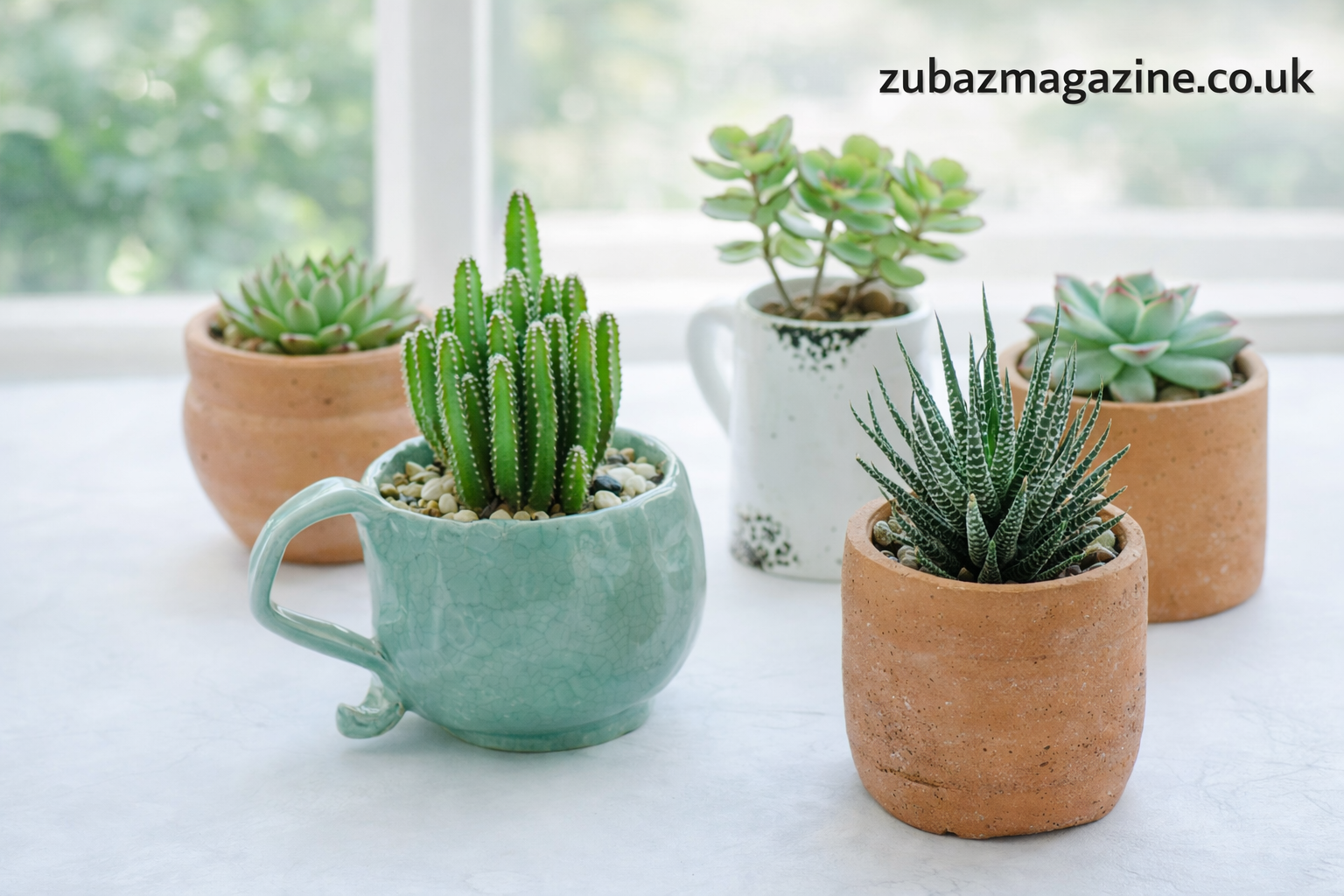
Succulents are plants designed by nature to survive drought. They’re not a single species, but a category of plants that share similar survival traits. This includes well-known plants like aloe vera, jade plant, echeveria, and many types of cacti.
The reason succulents look so unique is because their leaves and stems act like water tanks. When it rains, they absorb moisture quickly and store it. Then, during long dry periods, they use that stored water slowly to stay alive.
That’s why succulents often have thick, plump leaves. Their shape isn’t just for beauty—it’s a survival strategy. Many succulents also have a waxy coating on their leaves that helps reduce water loss.
This botanical definition is one of the strongest parts of succulent meaning because it connects directly to endurance and resilience.
Why Are Succulents Called “Succulent”?
The name comes from the Latin word succus, which means “juice” or “sap.” This makes perfect sense because succulents are full of stored moisture.
This is one of those rare words where the origin still matches modern meaning perfectly. Succulents are literally “juicy” plants. Even though they grow in deserts or dry climates, they carry water inside themselves like a hidden reserve.
That idea—holding life inside, even when conditions are harsh—is part of why succulents feel so inspiring to people. It’s not just a plant feature. It’s a symbol of quiet survival.
Succulent Meaning in Everyday Language
The word succulent is used in everyday speech in two major ways:
Succulent as a Food Description
When people say food is succulent, they mean it’s juicy, tender, and satisfying. It’s usually used for meats, grilled dishes, or fruits.
For example, roasted chicken can be described as succulent when it’s cooked perfectly. It implies that the food is rich, flavorful, and not dry.
Succulent as a Plant Category
When used as a noun, succulent usually refers to a plant that stores water. Most people now think of small decorative houseplants when they hear the word.
This dual meaning is interesting because both uses connect to the idea of richness and life. Whether it’s food or plants, succulent always suggests something full and nourishing.
Table: Succulent Meaning in Different Contexts
| Context | Meaning of Succulent | Example |
|---|---|---|
| Food | juicy, tender, rich | “The steak was succulent.” |
| Plants | water-storing plant | “I bought a succulent for my desk.” |
| Writing/Poetry | sensual, vivid | “A succulent garden of memories.” |
| Lifestyle | minimalist self-care symbol | “Succulents represent calm living.” |
This table shows why succulent meaning is broader than most people realize.
Succulent Meaning as a Symbol of Strength
One of the most powerful interpretations of succulent meaning comes from its natural survival ability. Succulents thrive in environments where water is rare, sunlight is harsh, and soil is poor.
That makes them a natural symbol of:
- resilience
- patience
- survival
- self-sufficiency
- quiet strength
Unlike flowers that bloom and fade quickly, succulents grow slowly and steadily. They don’t demand constant attention. They survive with minimal resources.
This is why succulents are often gifted to people going through tough times. They represent the message: “You can survive and still stay beautiful.”
It’s a soft but powerful kind of encouragement.
Succulent Meaning in Relationships and Love
Succulents are also linked to love and emotional balance. In many modern gift cultures, succulents represent steady affection rather than dramatic romance.
A rose might symbolize intense love, but a succulent symbolizes long-term commitment. It grows slowly, it lasts longer, and it doesn’t fade quickly.
In relationships, succulent meaning often connects to:
- enduring love
- loyalty
- emotional stability
- calm companionship
- growth through time
This is why succulents are popular gifts for anniversaries, housewarming events, and weddings. They represent a relationship that grows slowly but strongly.
Cultural Meaning of Succulents Around the World
Different cultures attach different meanings to succulents, but the theme is usually positive.
Succulents in Asian Symbolism
In Chinese and Feng Shui traditions, plants like the jade plant are often associated with wealth, luck, and prosperity. Jade plants are considered “money plants” and are believed to attract financial success when placed in the right location.
That’s why many businesses place jade plants near entrances. It’s not just decoration—it’s symbolic.
Succulents in Western Gift Culture
In Western countries, succulents are linked to modern lifestyle trends such as minimalism and wellness. People view them as calming, stylish plants that bring nature indoors without demanding much care.
They’re often associated with peaceful living and balance.
Succulents in Desert Cultures
In regions where deserts are common, succulents are admired for their toughness. They represent survival and adaptation. People often see them as proof that life can exist anywhere, even in harsh conditions.
This cultural meaning adds emotional depth to why succulents are so admired globally.
Spiritual and Emotional Succulent Meaning
Some people believe succulents carry spiritual symbolism. Whether or not you follow spiritual traditions, the symbolism can still feel meaningful.
Succulents are often linked to:
- grounding energy
- healing and renewal
- protection from negativity
- emotional independence
- inner strength
The reason is simple: succulents don’t panic in drought. They hold water inside and wait patiently. This makes them feel like a reminder to stay calm during difficult times.
A succulent doesn’t “rush.” It survives by being steady.
That’s a lesson many people connect with emotionally.
Succulent Meaning in Home Décor and Modern Lifestyle
Succulents became a huge trend in interior design because they match modern aesthetics perfectly. Their shapes are clean, geometric, and elegant. They look good in minimal homes, offices, and apartments.
But beyond design, succulents represent a lifestyle choice. People often buy succulents because they want:
- a low-stress plant
- a calming environment
- a small piece of nature indoors
- a simple hobby without pressure
Succulent meaning in this context becomes connected to self-care. A succulent is like a quiet reminder to slow down and breathe.
Even watering it once a week becomes a small routine of calmness.
Table: Popular Succulent Types and What They Represent
| Succulent Type | Common Meaning | Why People Love It |
|---|---|---|
| Aloe Vera | healing and protection | useful for skin and health |
| Jade Plant | prosperity and good luck | linked to wealth symbolism |
| Echeveria | beauty and balance | rosette shape looks artistic |
| Cactus | toughness and defense | survives extreme conditions |
| String of Pearls | uniqueness and creativity | rare look and stylish vibe |
This table shows how different succulents carry slightly different emotional meanings.
Why Succulents Are Popular Gifts
Succulents are one of the most gifted plants today, and the reason is not only convenience. It’s emotional symbolism.
A succulent gift sends a message that feels thoughtful. It says:
- “I want you to grow.”
- “Stay strong.”
- “You don’t need constant attention to be valuable.”
- “Your beauty lasts.”
Unlike flowers, succulents don’t die quickly. They last for years when cared for properly. That makes them a better symbol for long-term appreciation.
Also, succulents work for almost any event: Birthdays, weddings, housewarming parties, new jobs, and even sympathy gifts.
They’re simple, but meaningful.
Succulent Meaning in Literature and Art
Writers and artists often use succulents as metaphors. In poems, succulents can represent emotional survival, hidden strength, and quiet endurance.
For example, a character described as “succulent” may be portrayed as someone who holds warmth and life inside, even if their outer world looks dry or difficult.
Succulents also represent contrast. They are soft plants in harsh environments. That contrast makes them powerful artistic symbols.
A succulent can be seen as a person who stays gentle in a hard world.
Common Misunderstandings About Succulent Meaning
Even though succulents are popular, people still misunderstand them.
Not All Succulents Are Cacti
Many people think succulents and cacti are the same. But while most cacti are succulents, not all succulents are cacti.
Cacti usually have spines and belong to a specific plant family. Succulents include many plant families, and most don’t have spines.
Succulents Still Need Care
Some people assume succulents don’t need any water at all. That’s not true. They need water, but less frequently. Overwatering is actually the biggest cause of succulent death.
Succulents Aren’t Only Indoor Plants
Succulents can thrive outdoors too, especially in warm climates. Many people grow them in gardens, patios, and desert landscapes.
Understanding these facts helps you appreciate succulent meaning more realistically. Their survival doesn’t mean they’re immortal—it means they’re adaptable.
Succulent Meaning in Personal Growth and Motivation
People often relate succulents to personal development because they represent growth that happens quietly.
Succulents don’t grow fast. They grow steadily. That’s similar to real life. Most success happens slowly, through consistency, not sudden miracles.
Succulent meaning can remind you of things like:
- healing takes time
- strength is often silent
- growth happens even when no one notices
- you can survive difficult seasons
This is why succulents are popular among students, entrepreneurs, and people going through transitions. They feel like small symbols of hope.
Conclusion
The succulent meaning goes far beyond a simple plant definition. While succulents are scientifically known for storing water and surviving dry environments, their symbolism has grown into something much deeper. Succulents represent resilience, patience, strength, and calm growth. They remind us that even in difficult conditions, life can thrive quietly.
Whether you view succulents as decorative houseplants, meaningful gifts, Cultural symbols, or metaphors for personal strength, their message stays powerful. They teach us that survival doesn’t always look dramatic. Sometimes survival looks like staying steady, holding your inner resources, and continuing to grow slowly.
If you’re drawn to succulents, it’s not just because they’re trendy. It’s because their meaning connects to something real: the desire to grow, heal, and stay strong through life’s dry seasons.
Frequently Asked Questions (FAQs)
1. What is the true succulent meaning?
Succulent means “juicy” or “full of moisture,” and it also refers to plants that store water in their leaves or stems. Symbolically, it represents resilience and endurance.
2. Why are succulents considered symbols of strength?
Succulents survive harsh environments with little water. This makes them a natural symbol of patience, toughness, and quiet survival.
3. What do succulents represent as gifts?
Succulents often represent long-lasting love, growth, stability, and good wishes. They are popular gifts because they last longer than flowers.
4. Is succulent only used for plants?
No, succulent is also used to describe food that is juicy and tender. It can also be used in writing to describe something rich or appealing.
5. What does a succulent plant symbolize spiritually?
Spiritually, succulents are often linked to healing, protection, and grounding energy. Many people see them as symbols of calmness and emotional balance.
-
 NEWS6 days ago
OpenSkyNews: A Modern Voice in Digital Journalism
-
 Celebrity4 weeks ago
Tony Hinchcliffe Wife: Marriage, Privacy, and the Truth Behind the Curiosity
-
 Entertainment1 month ago
Zvideo: Exploring the Ultimate Video Experience Online
-
 Food & Drinks3 days ago
Honey Buns: The Sweet, Soft Pastry Loved Around the World
-
Fashion & Lifestyle4 weeks ago
Succulent Meaning: Definition, Symbolism, and Uses Explained
-
 Celebrity4 weeks ago
William Langston Thornton: Life, Identity, and Lasting Relevance
-
 Food & Drinks3 days ago
Chocolate Bars: History, Varieties, and Why We Love Them
-
 Celebrity1 week ago
Samara Zane: A Glimpse Into a Private Celebrity Childhood